Hamsters are members of the rodent family, related to mice, rats, gerbils, and even guinea pigs. But hamster anatomy differs from their cousins in various ways. Their compact size fits perfectly in the palm of your hand, but hamsters have big personalities in their pint-sized forms. Discover the bodies behind these animated animals — all the ins and outs of their appearance, plus determining.. Hamster anatomy is a marvel of evolutionary adaptation, characterized by expandable cheek pouches, continuously growing teeth, and specialized scent glands. Understanding these physical traits helps pet owners provide better care and interpret unique behaviors like hoarding and burrowing.


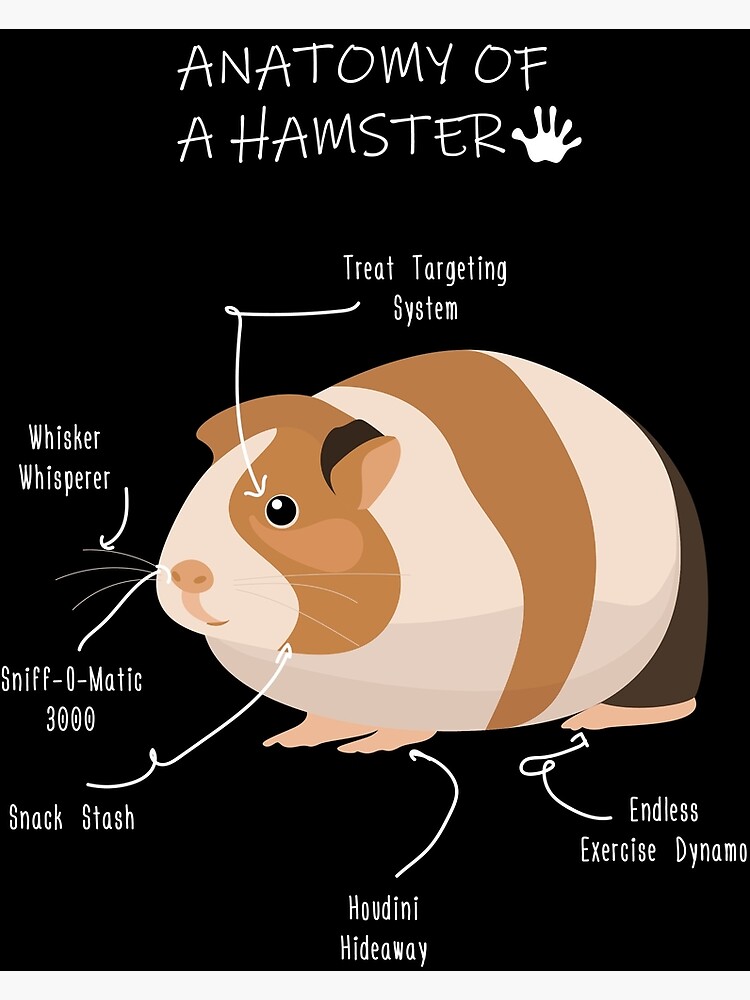



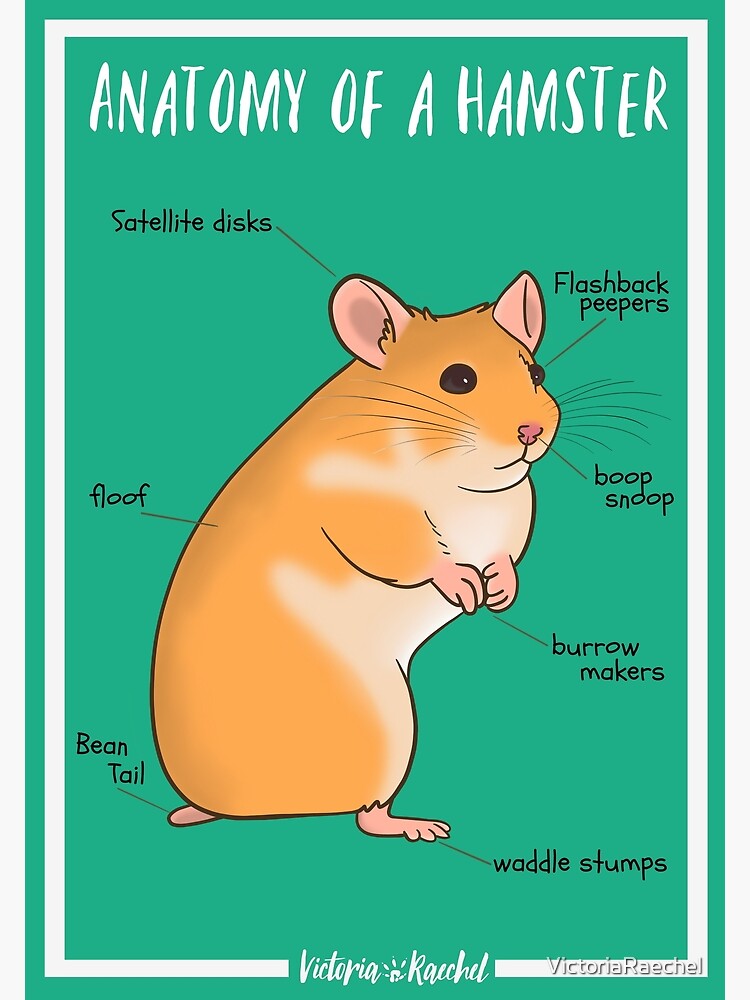






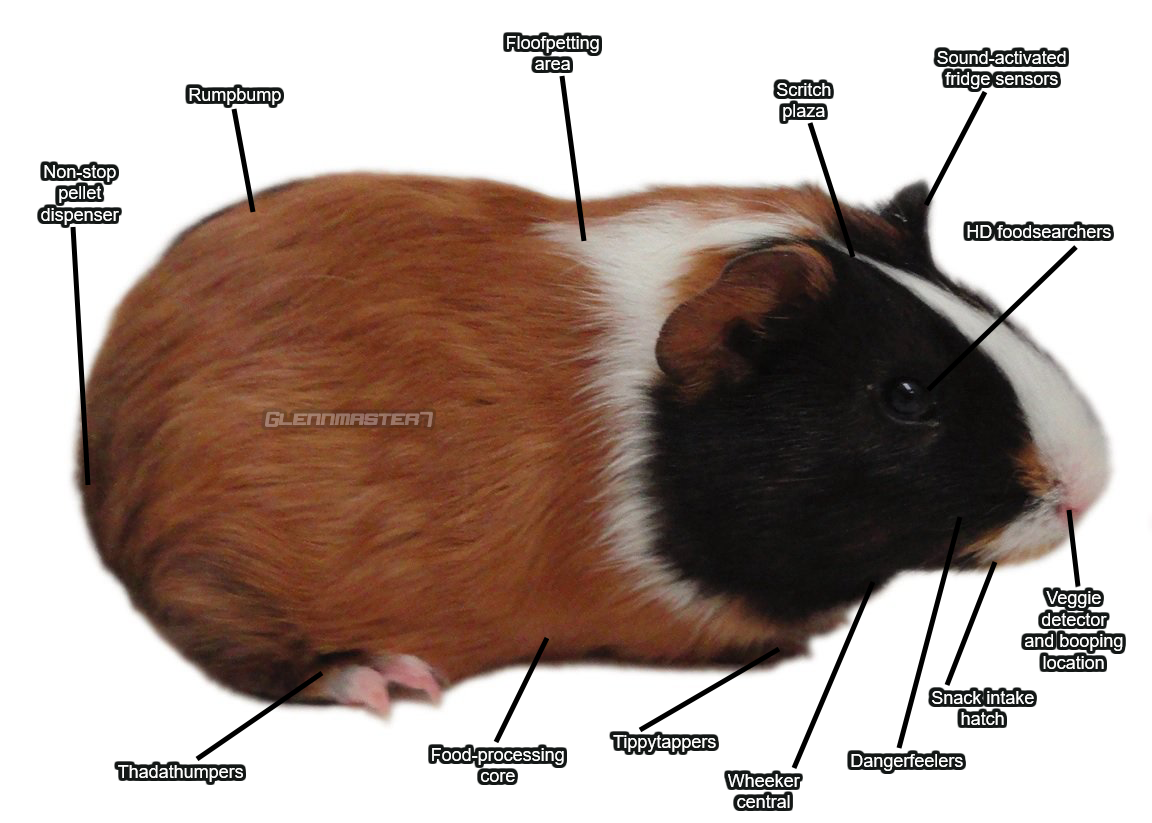

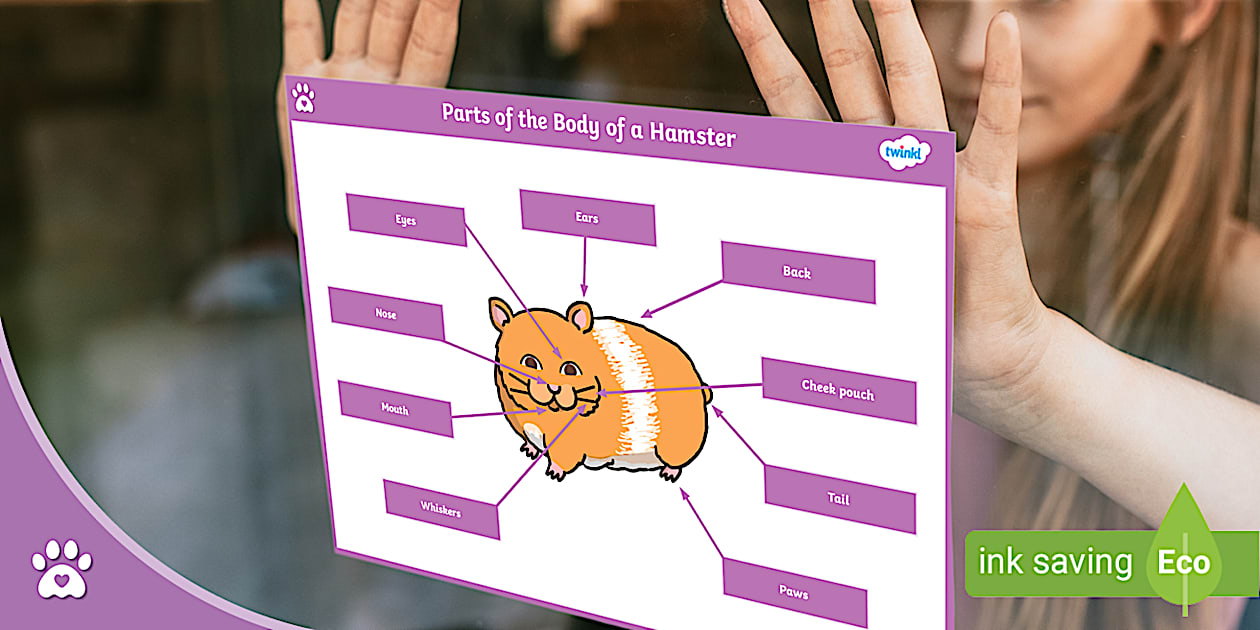
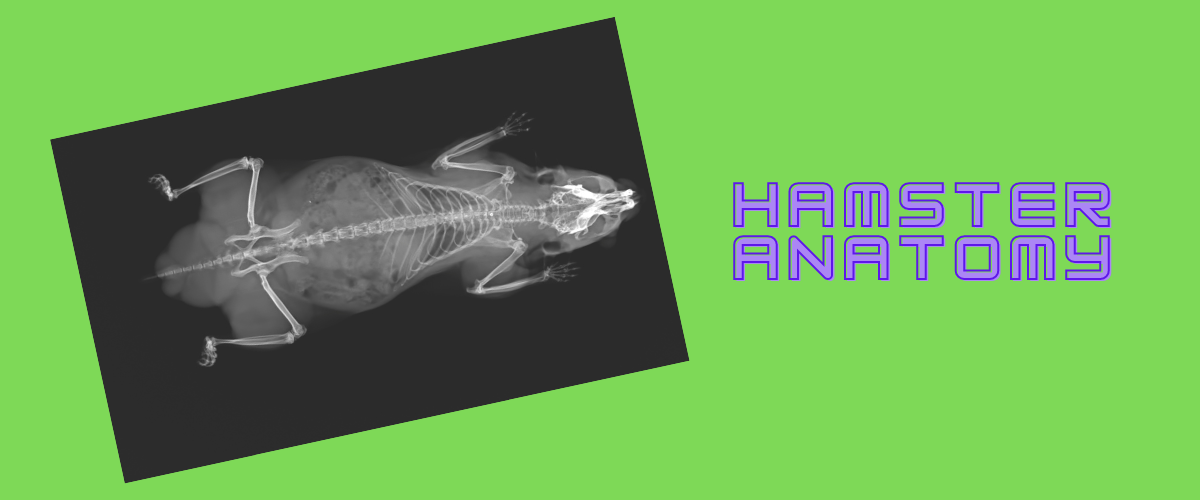
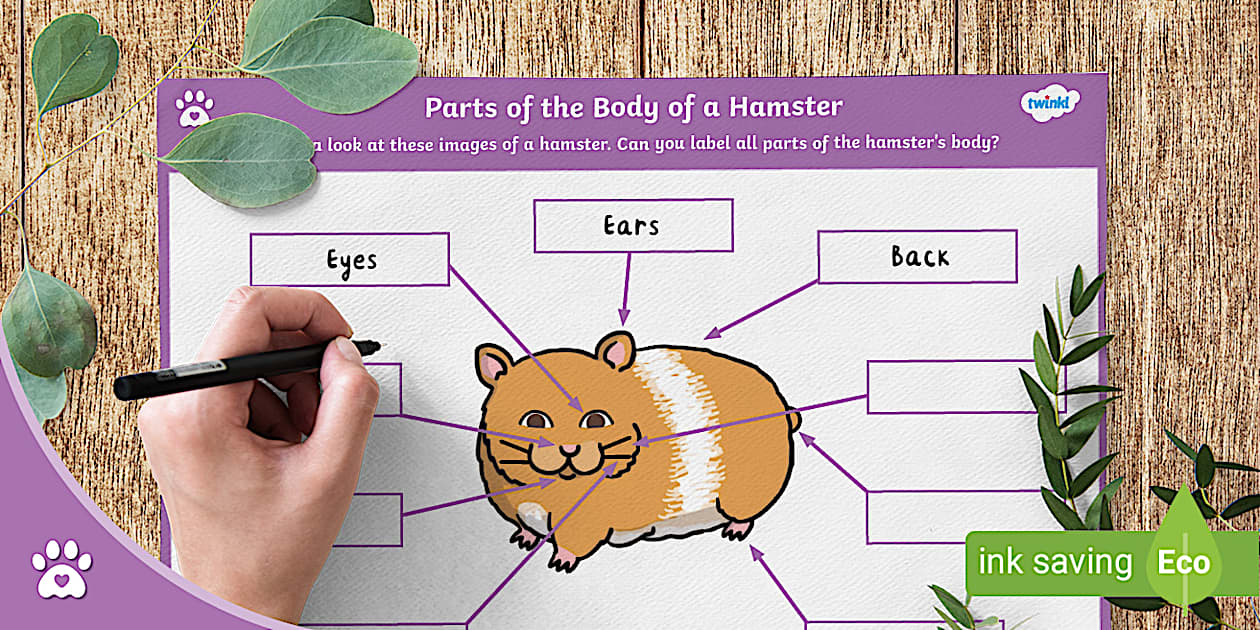
The anatomy of a hamster and each body part has specific purpose that helps it perform its day-to-day functions. Understanding and observing these features should help you provide better care for your little pets. The cheeks are one of the most unique parts of hamster anatomy. Most members of the hamster family have expandable cheek pouches that extend from the jaw to shoulders. These.. The male reproductive system is a complex network of organs and ducts meticulously designed for the production, maturation, and delivery of sperm, alongside the synthesis of male sex hormones. This detailed diagram offers a multifaceted view, illustrating both the external genitalia with variations in penile anatomy and a comprehensive lateral view of the internal structures. Understanding the.