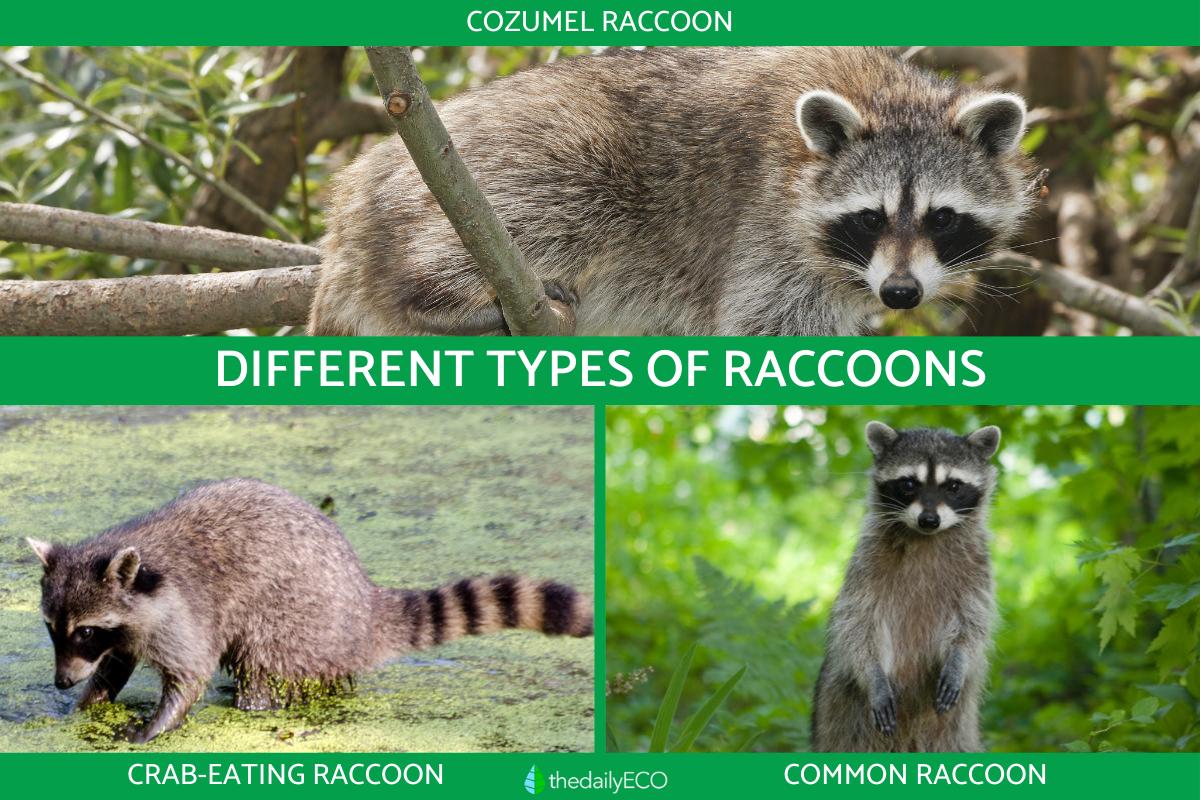
The raccoon colors come from both their DNA and their surroundings. Raccoons' genetic makeup is what first determines their color. Raccoons can therefore acquire different colors/hues from their parents, which may cause some diversity in the color of their fur. The second factor is the environment, which can also have an impact on the color of a raccoon's fur. The number and type of.. These raccoons are only found on the two main islands of the Lesser Antilles island group in the Caribbean Sea, called Basse-Terre Island and Grande-Terre. Although smaller than the common eastern and Upper Mississippi Valley raccoons, Guadeloupe Raccoons are moderate-sized with a small skull. Their fur is thick and long, mostly dark in color.
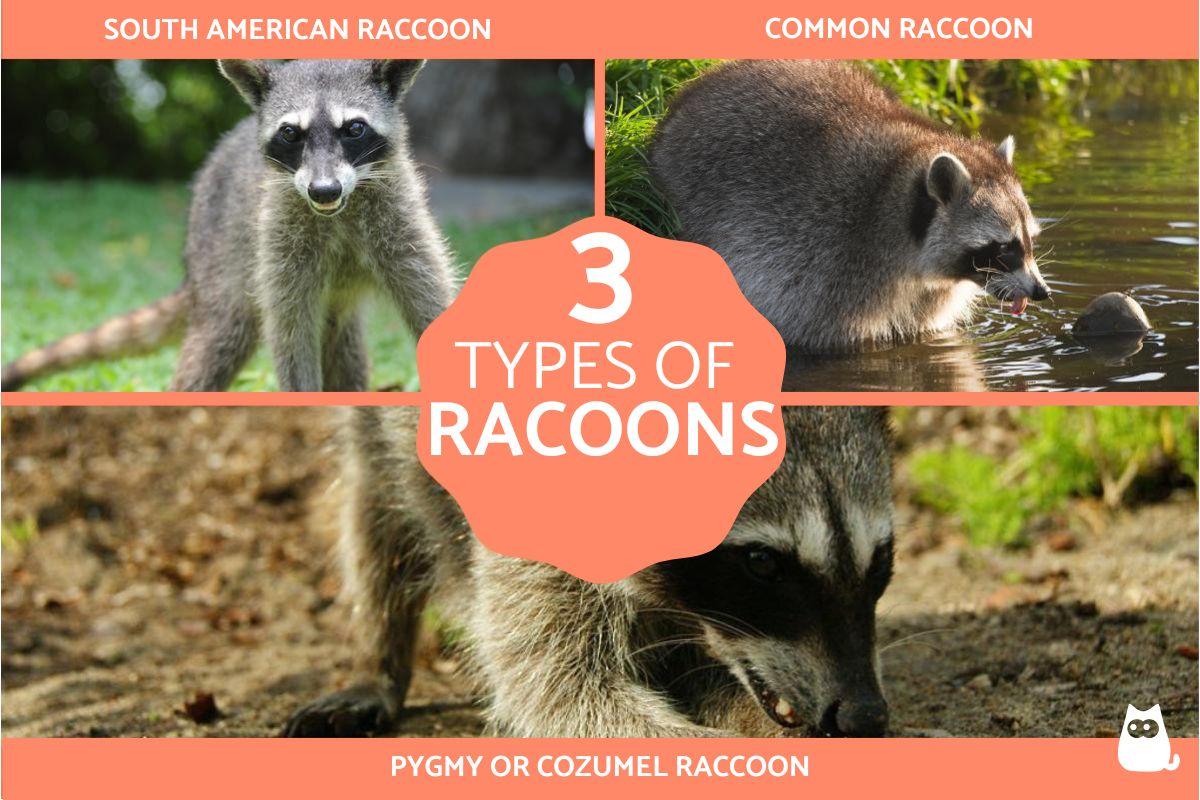
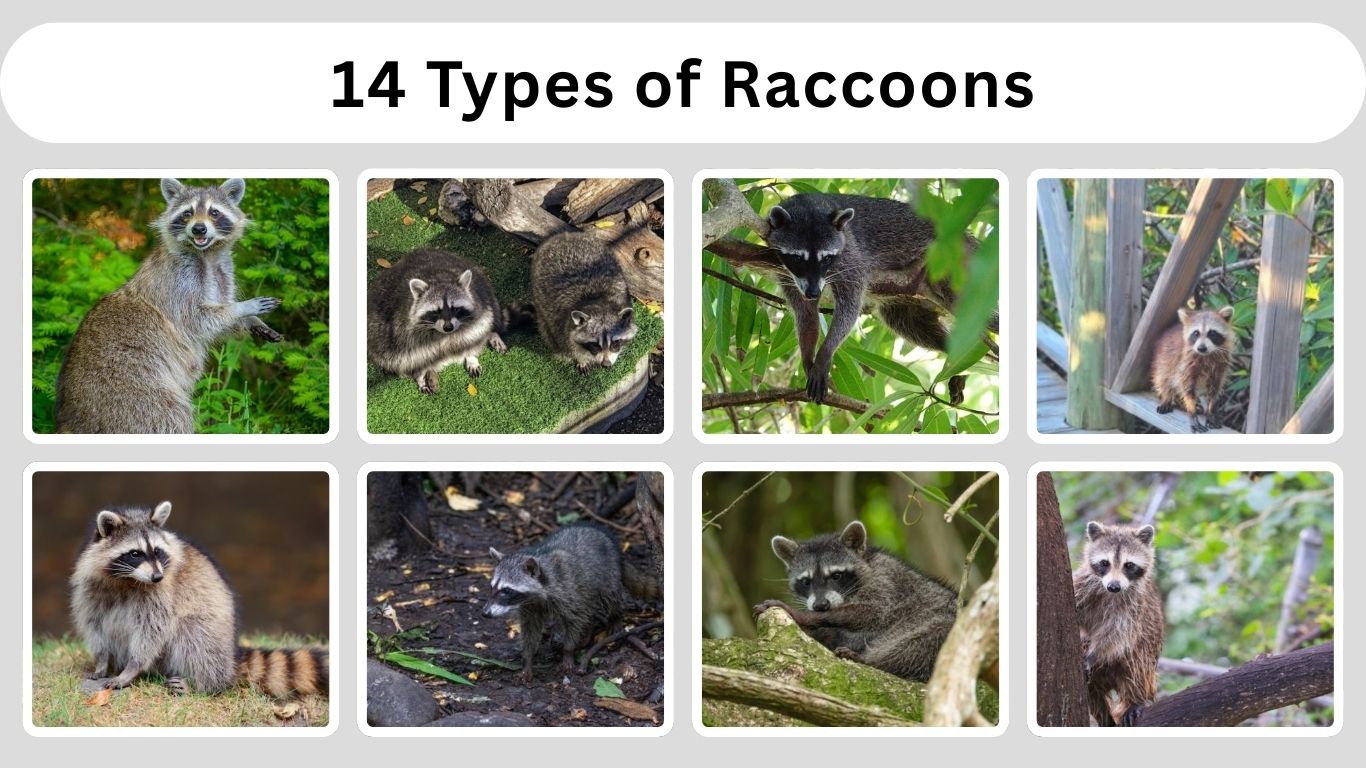
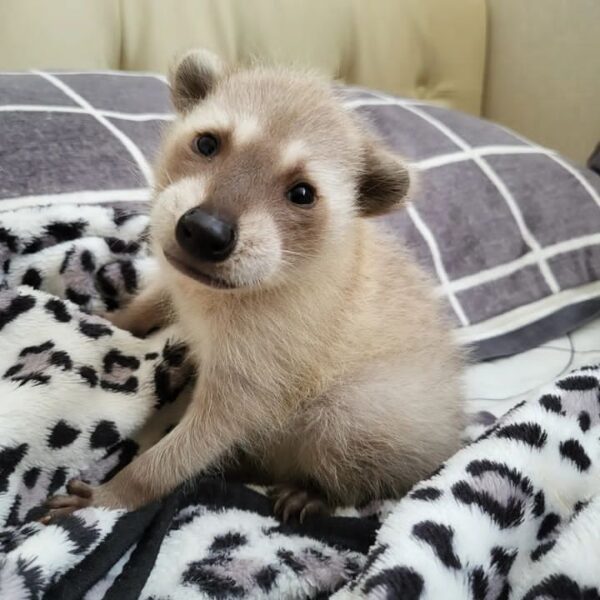
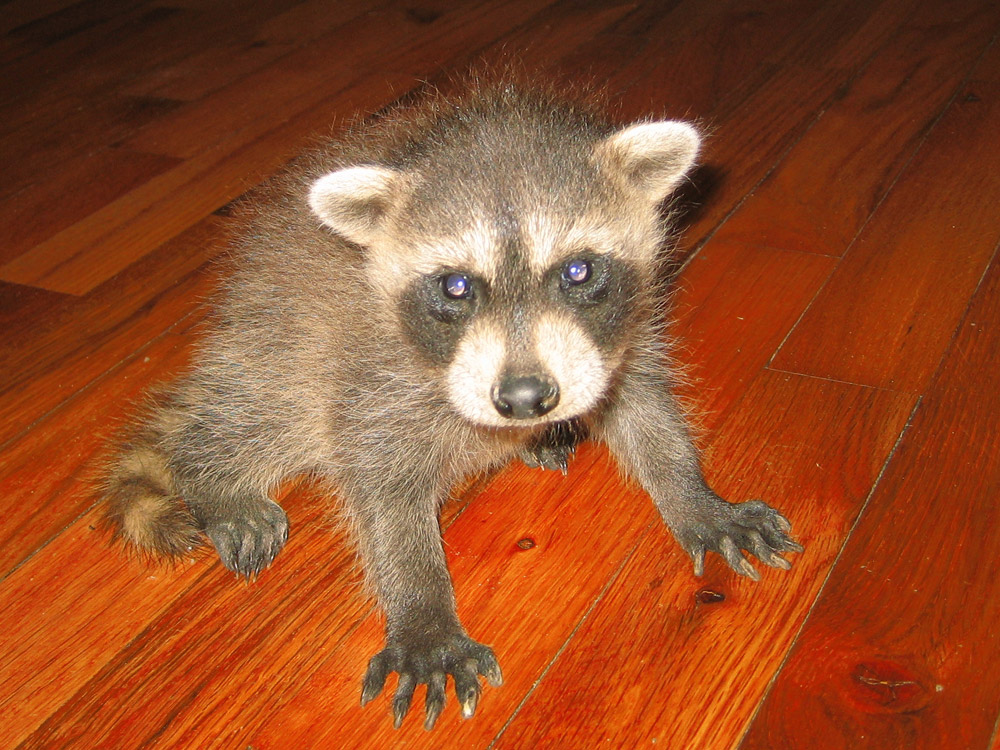


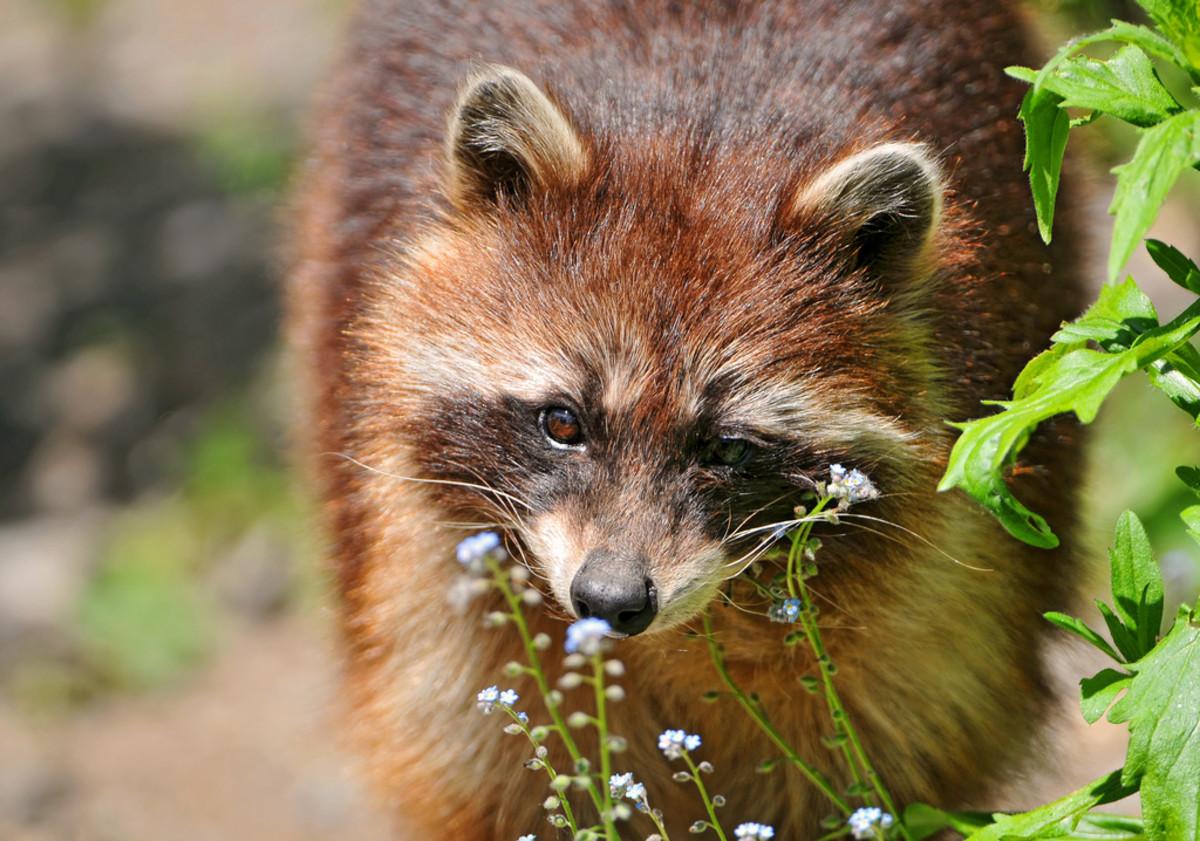
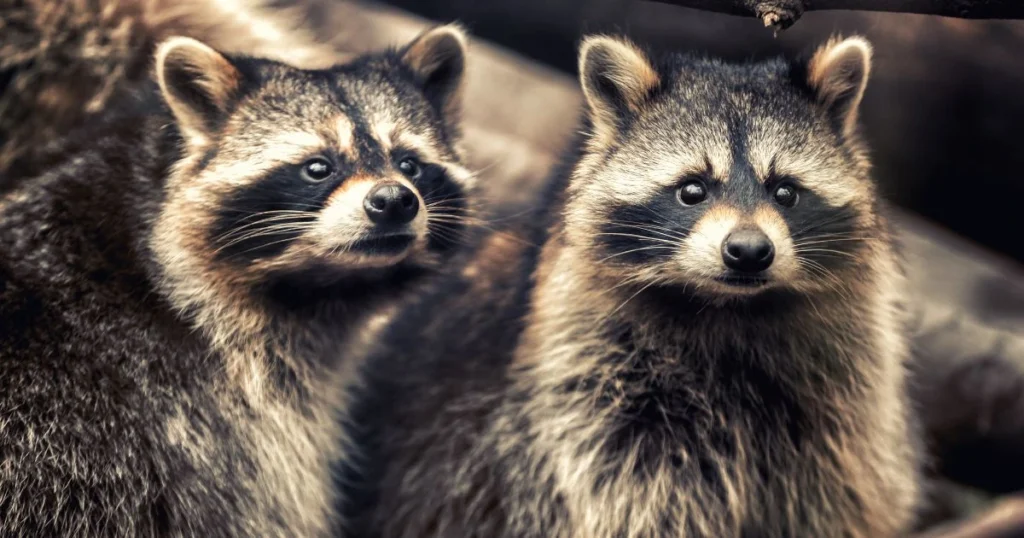
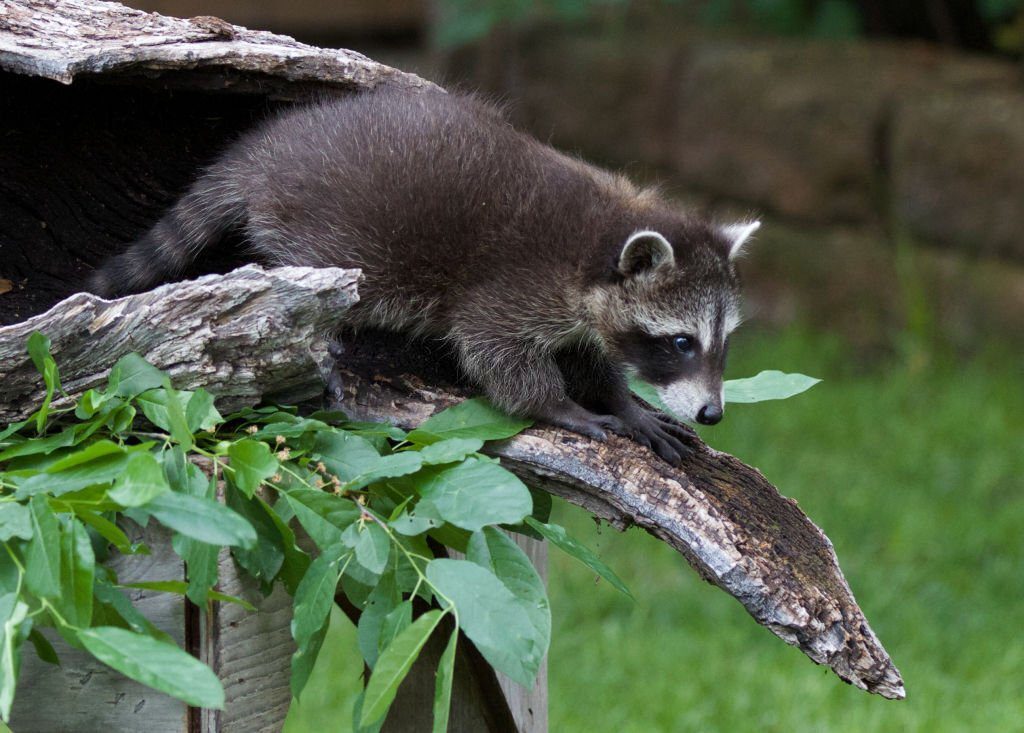

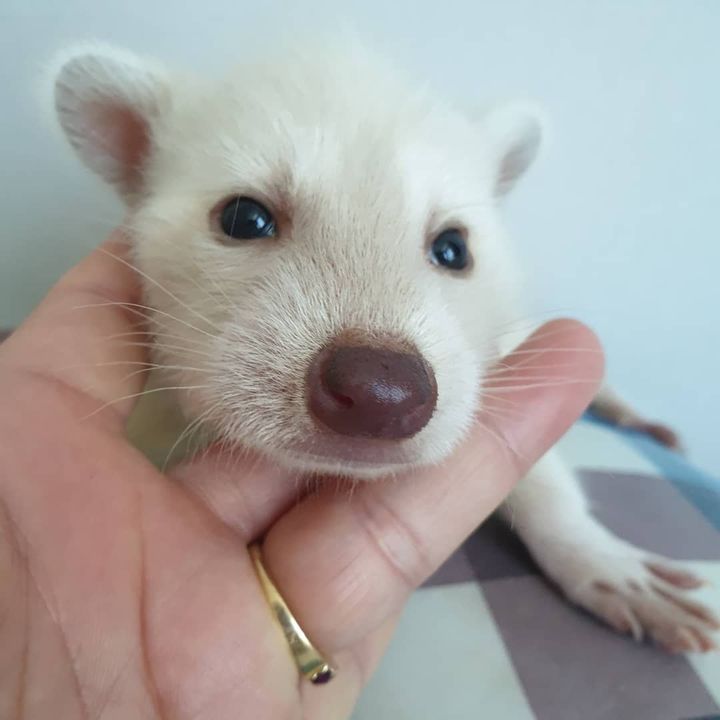


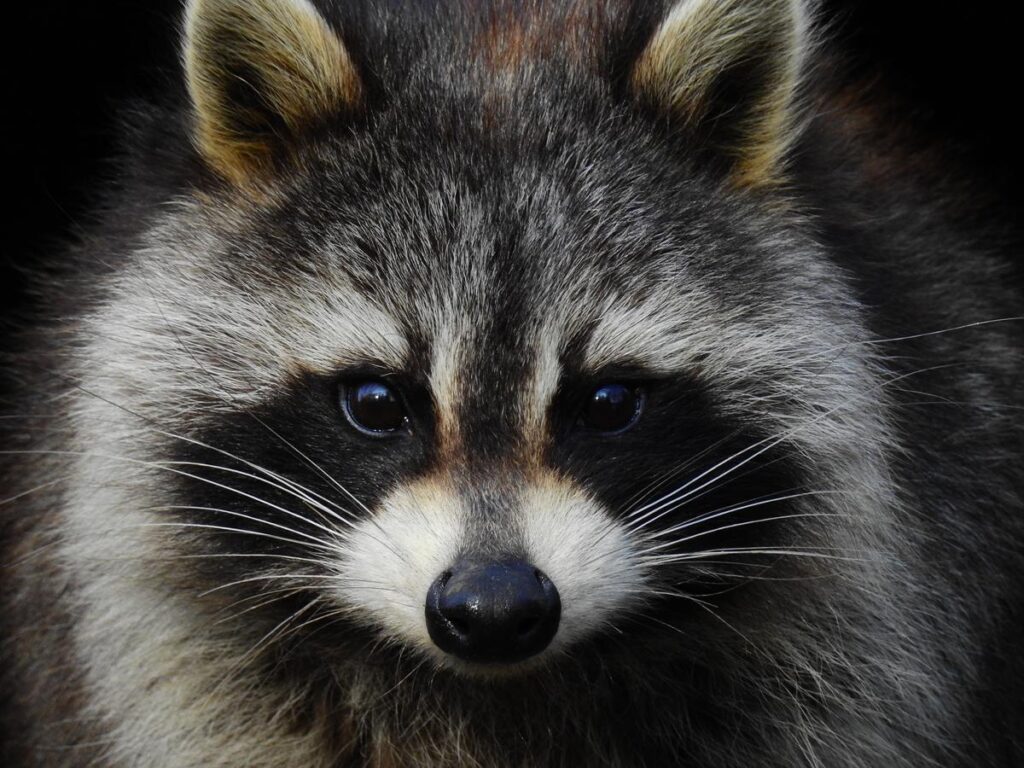


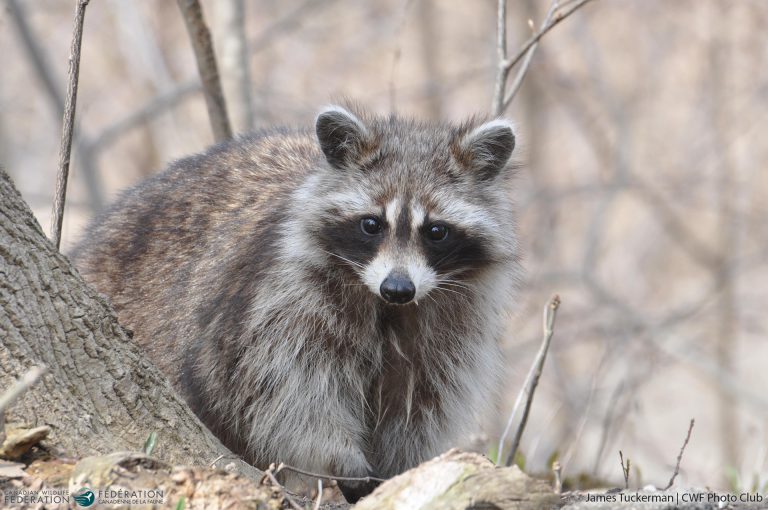

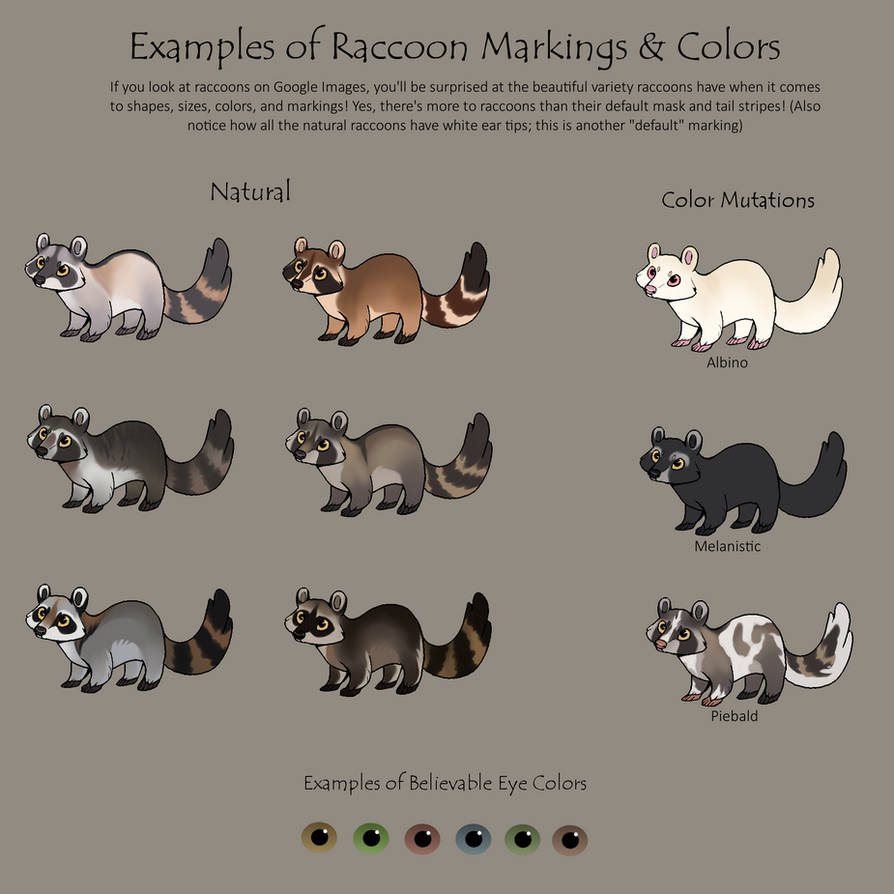


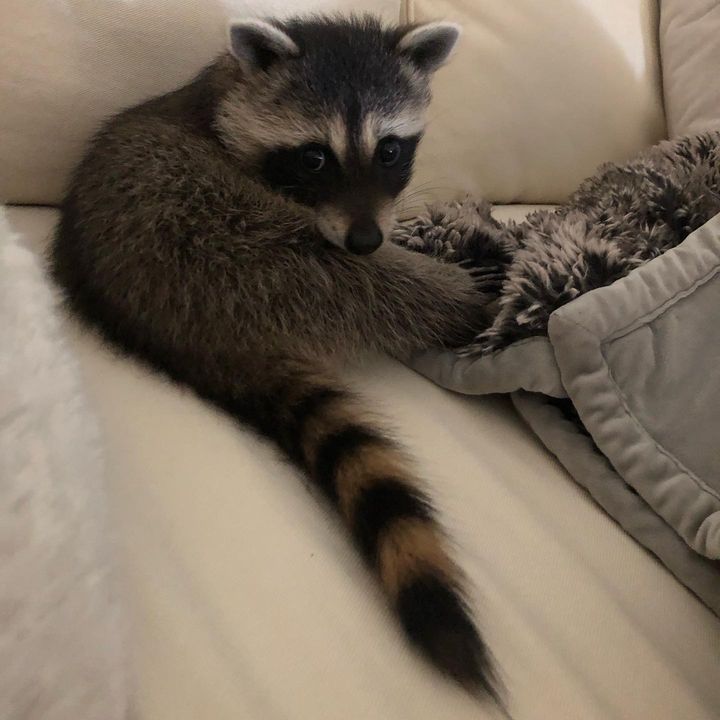

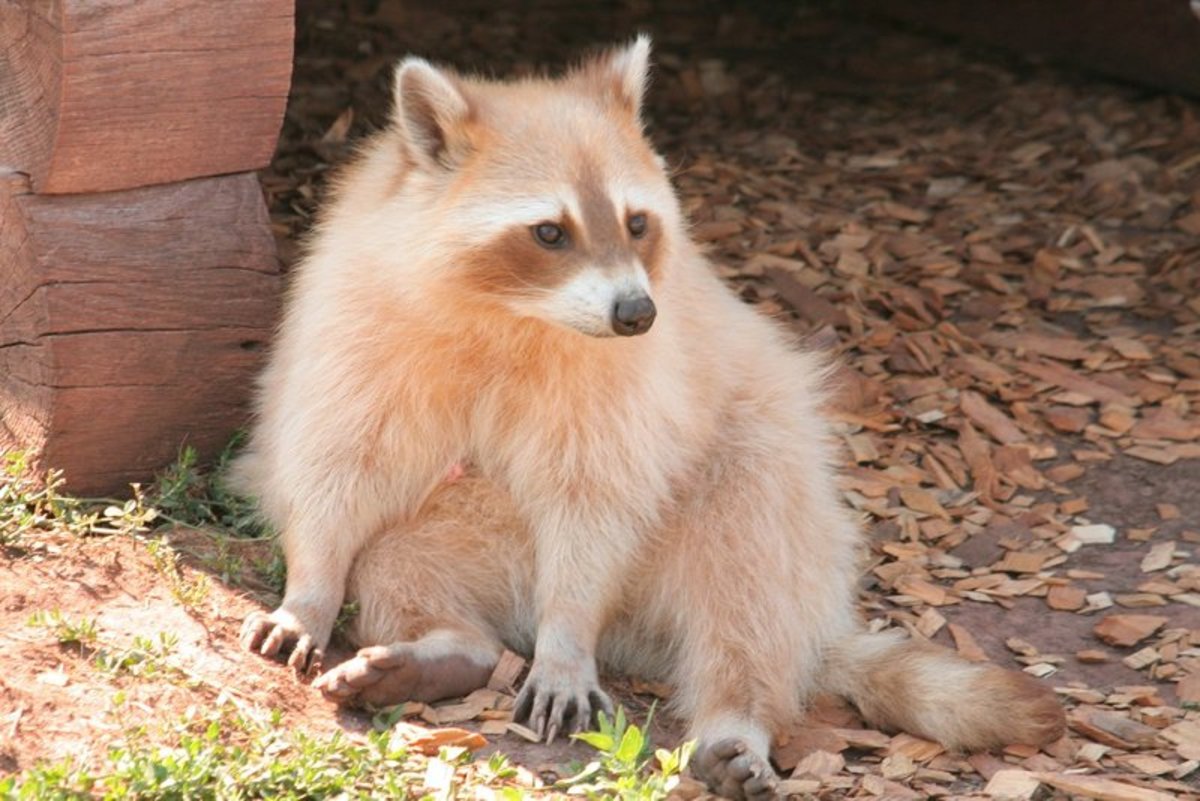


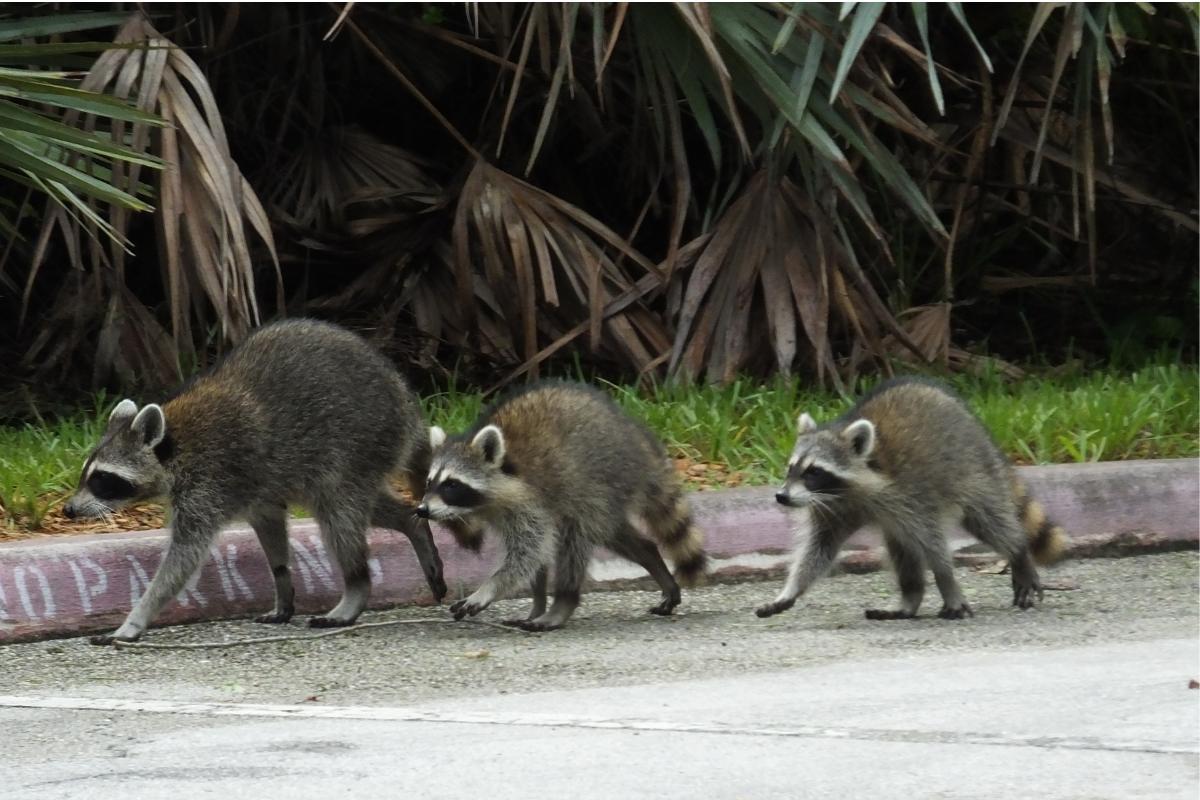


Although raccoons are known for their grey-brown fur, they can also come in a variety of other colors. Each of which helps them to survive in a different environment. The raccoon's fur color of raccoons is an adaptation to their surroundings, and it can help them to stay hidden or to stay warm.. The raccoon, a masked bandit of the night, is a creature of captivating curiosity. With its dexterous paws and intelligent eyes, it has become a familiar sight in urban and suburban landscapes. But have you ever stopped to wonder about the true colors of these nocturnal creatures? While the iconic black "mask" is unmistakable, the world of raccoon coloration is surprisingly diverse.