Explore the fascinating hues of the 8 planets in our solar system, each painted by its unique composition. From the grey tones of terrestrial planets with oxidized minerals to the vibrant colors of gas giants, understanding planetary colors offers insights into their makeup and mysteries.. The planets in our solar system are a veritable rainbow of colors. But what makes them take on all their various hues, and why does each one look so different?


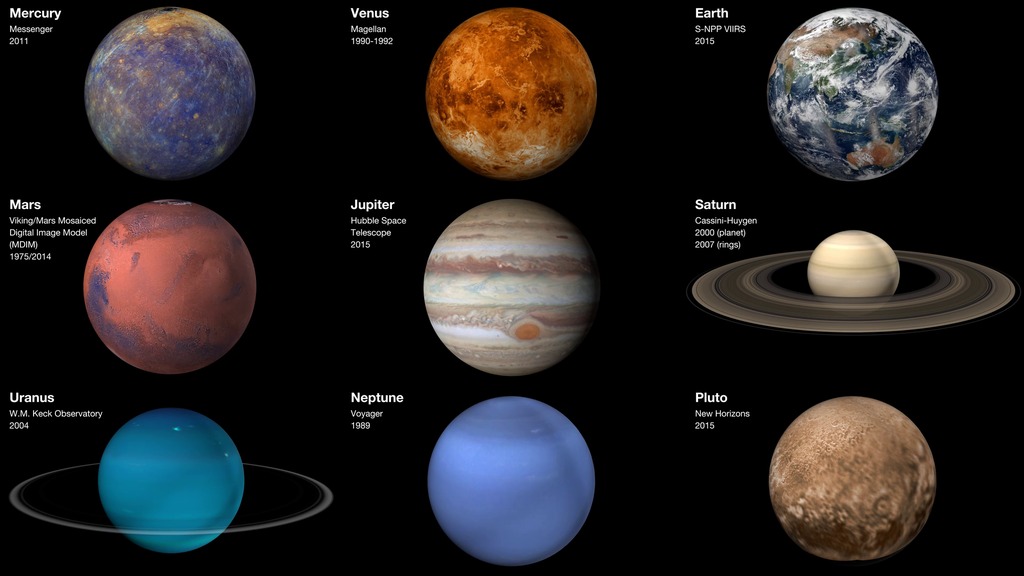
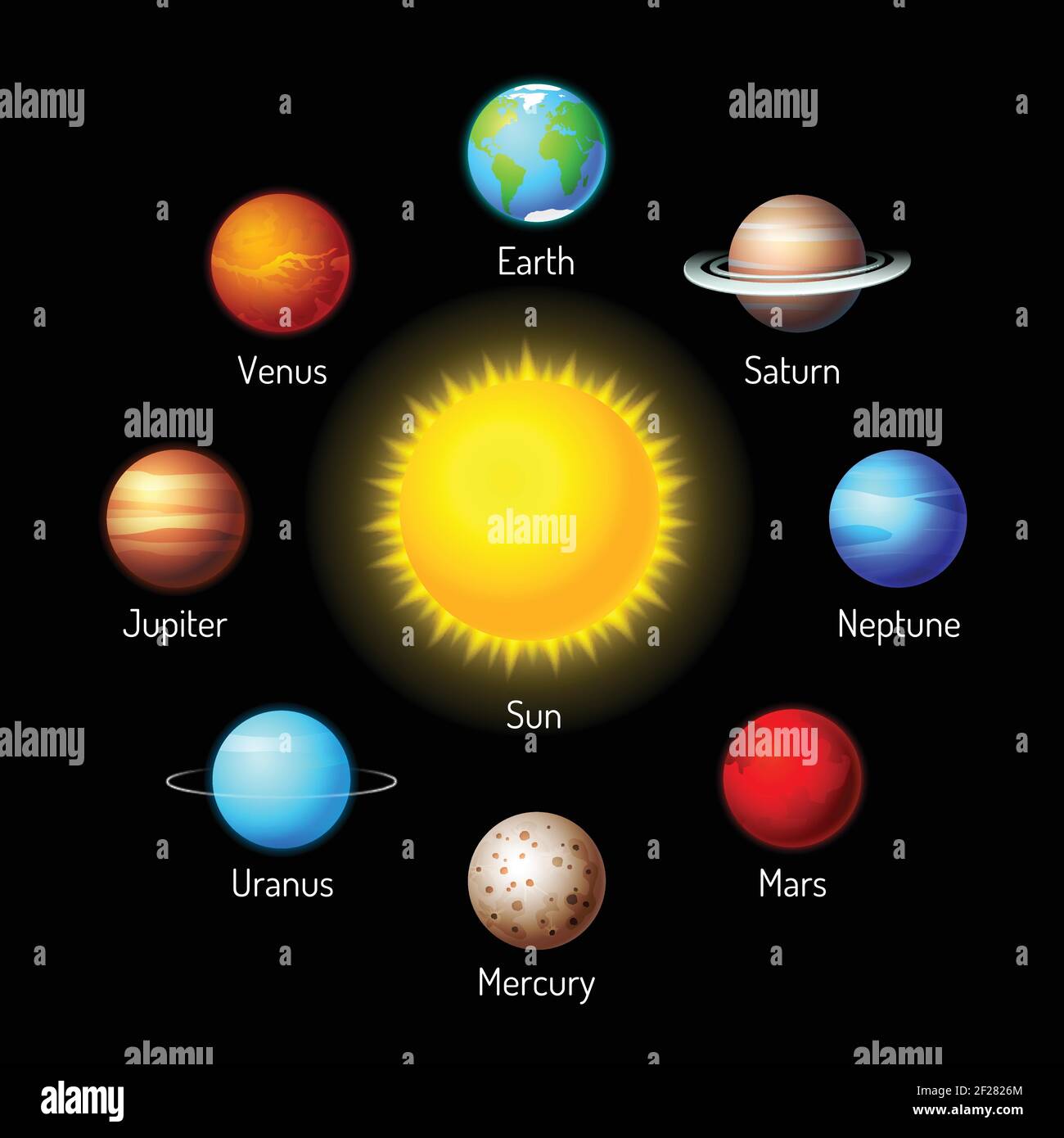
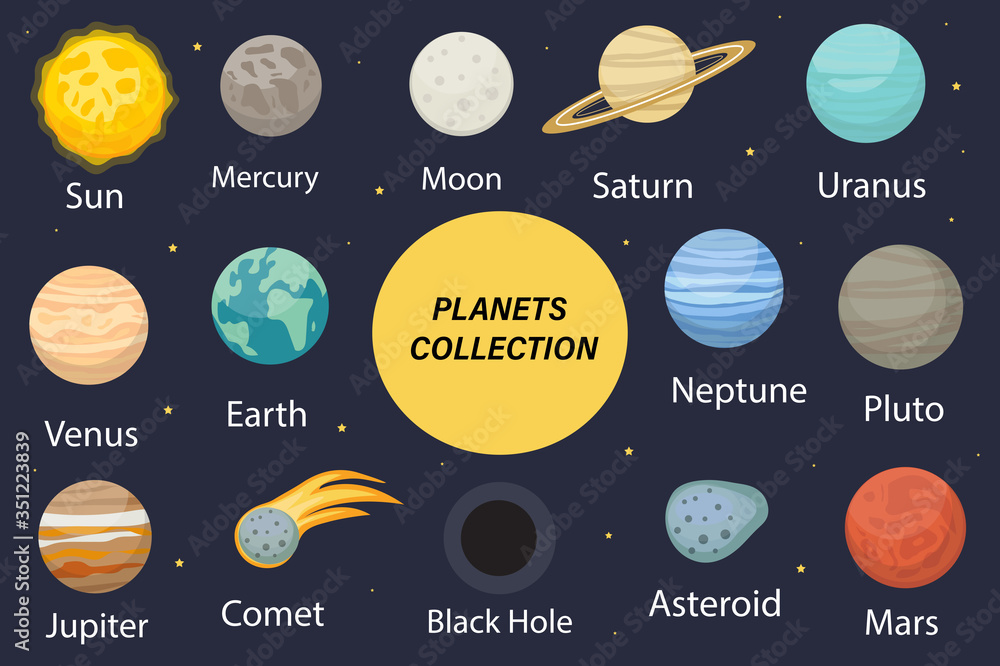
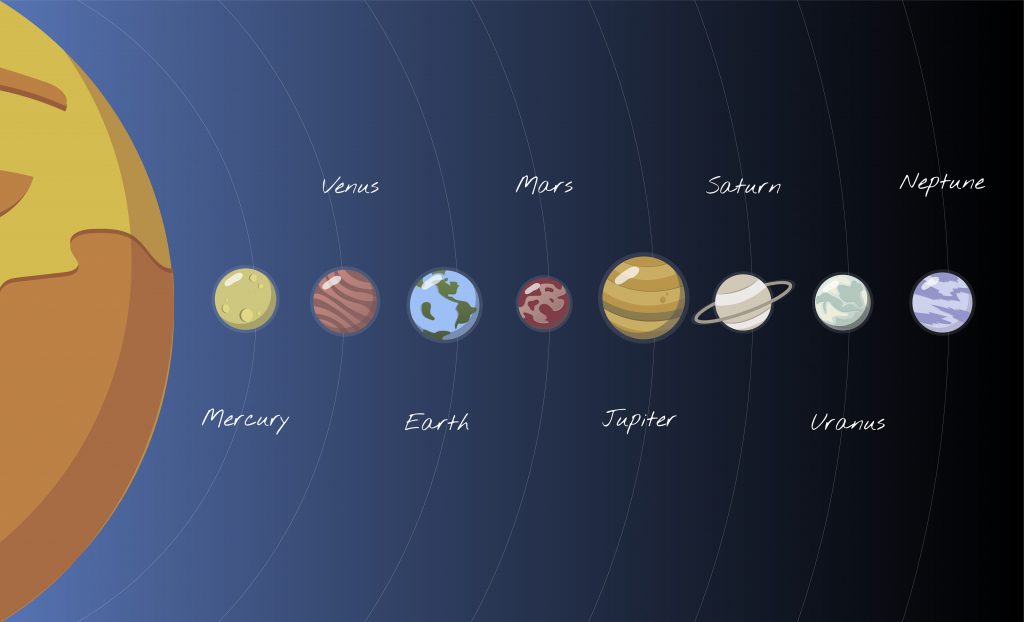

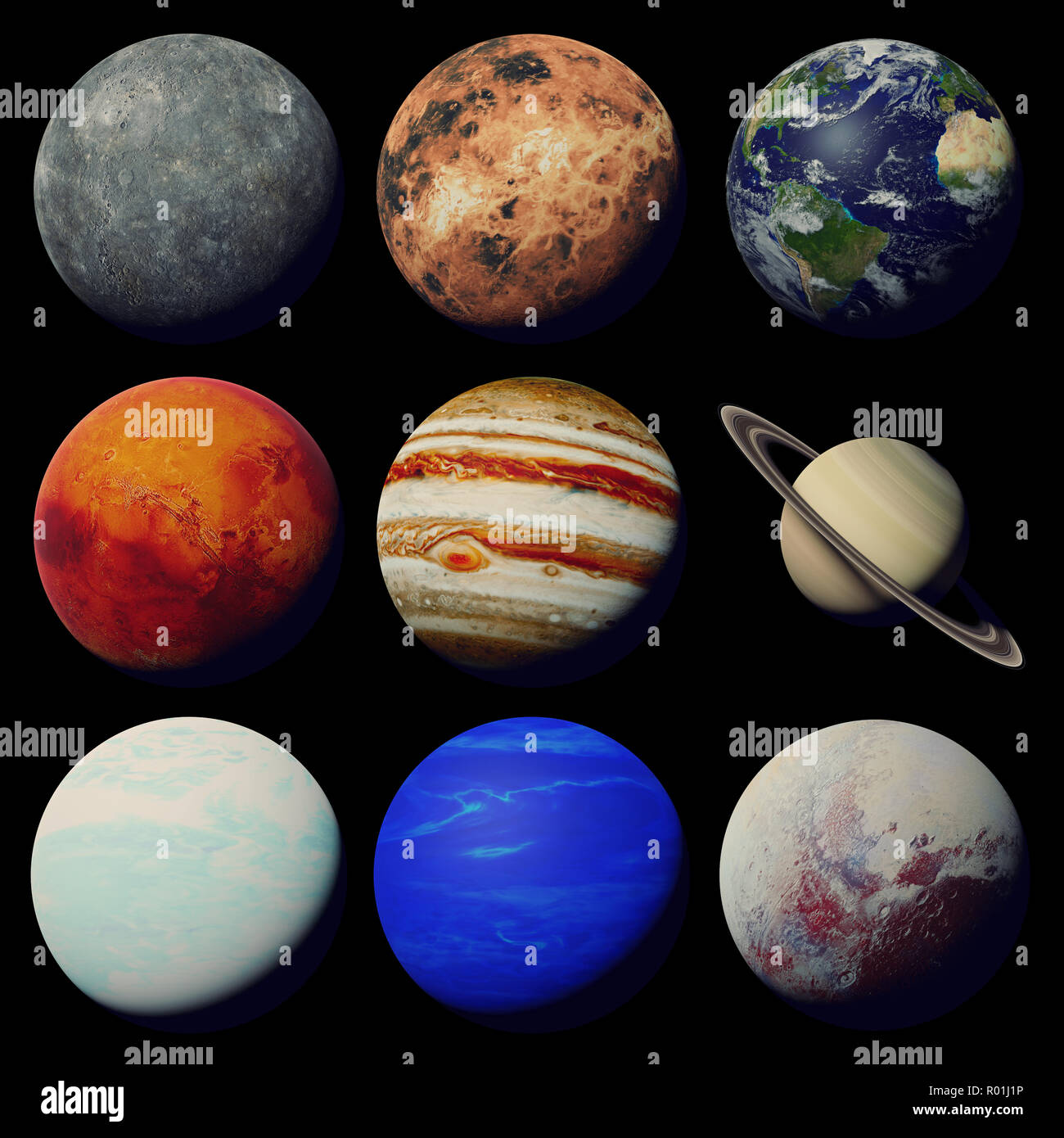
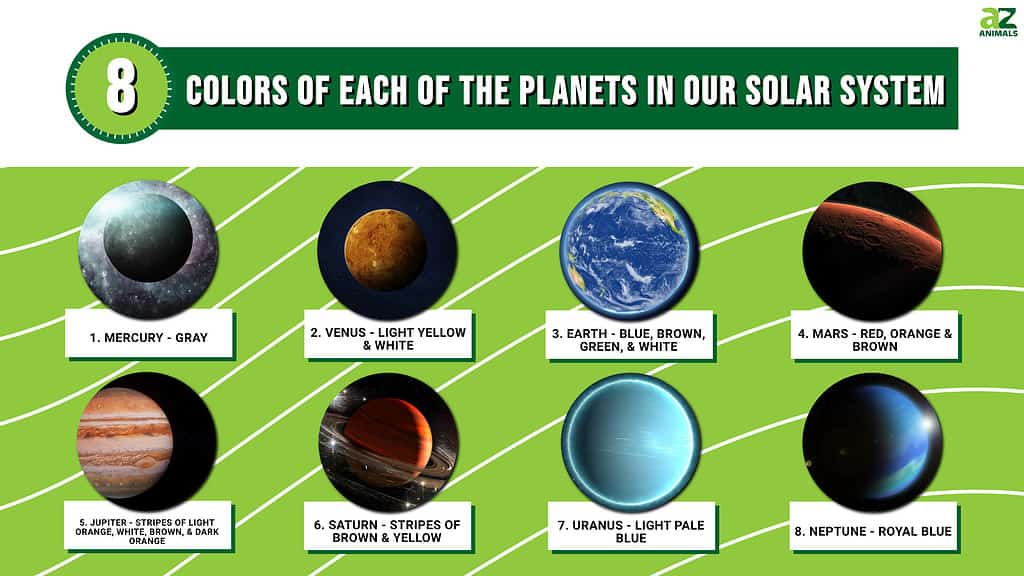
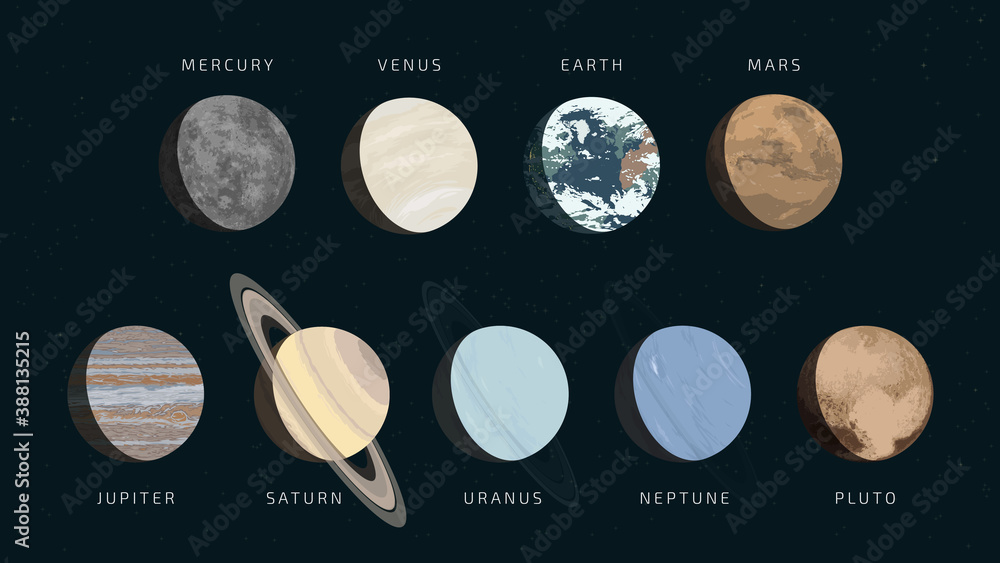
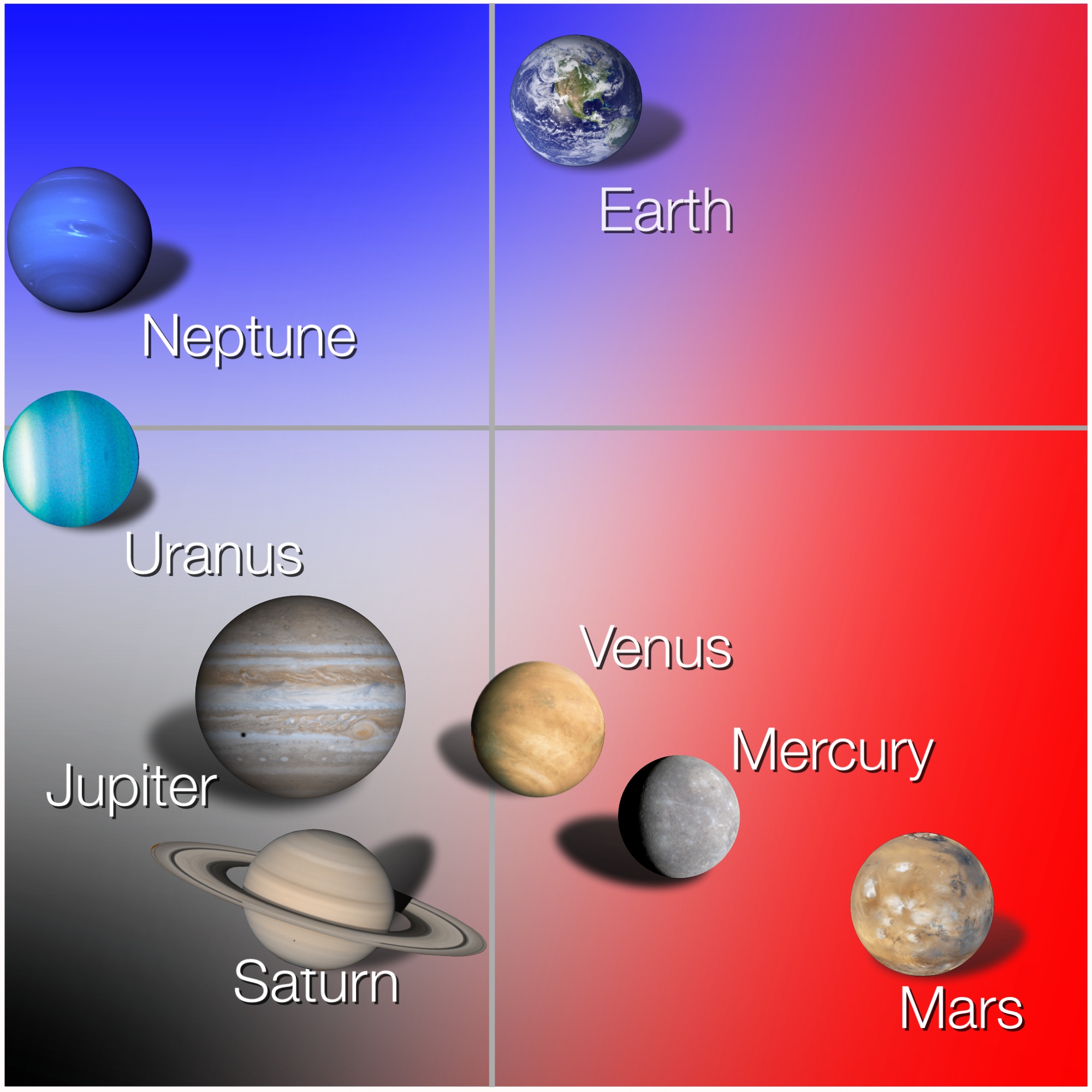
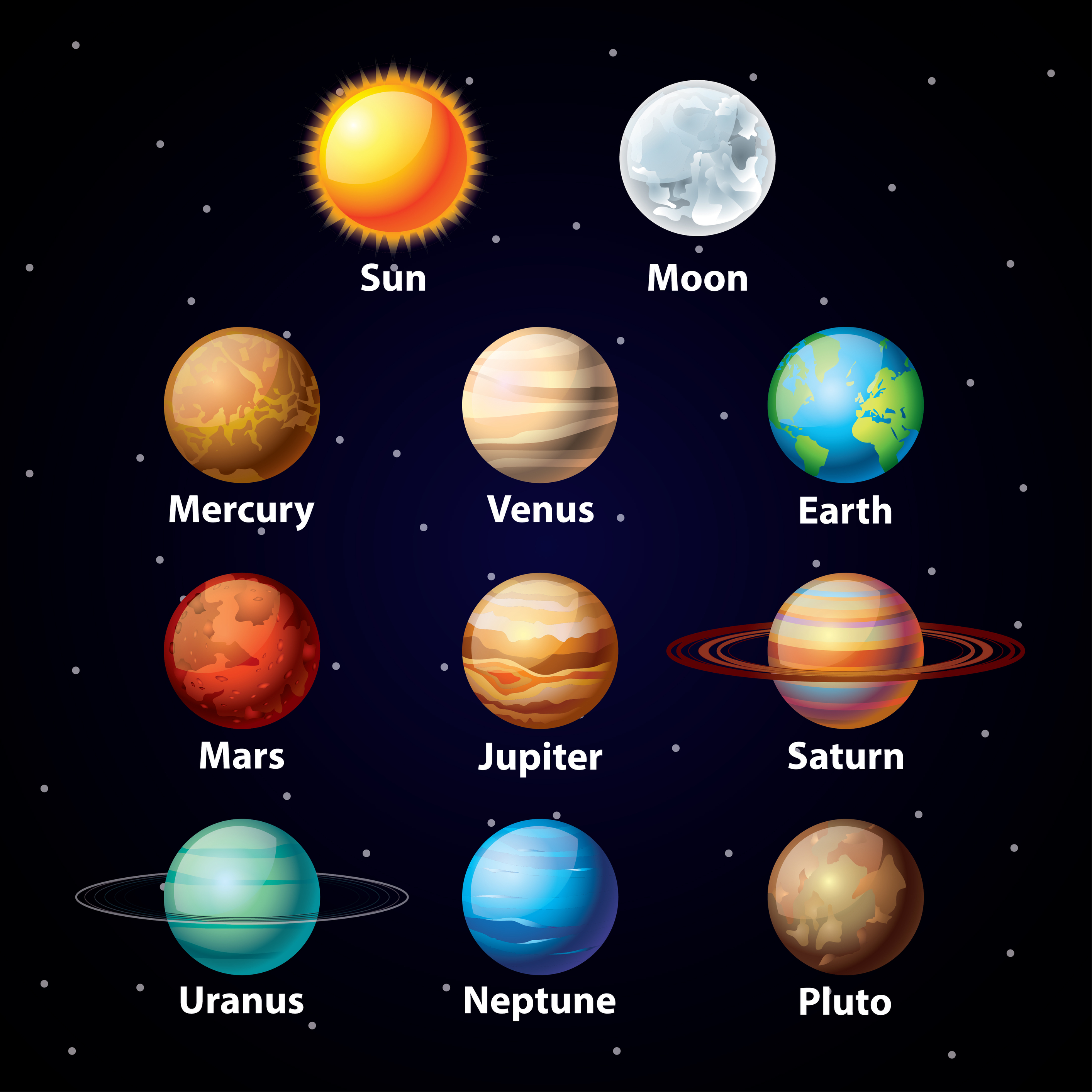

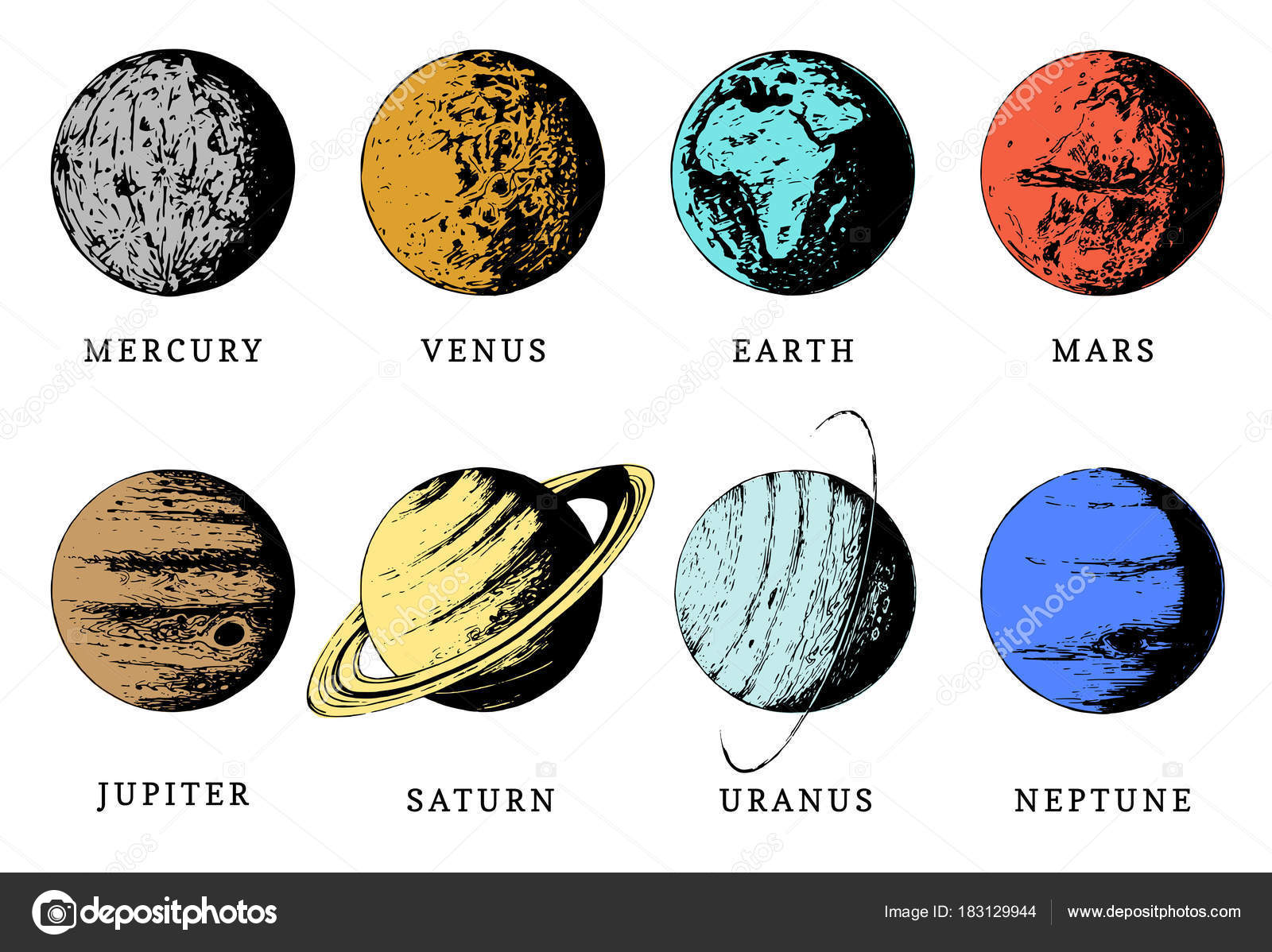


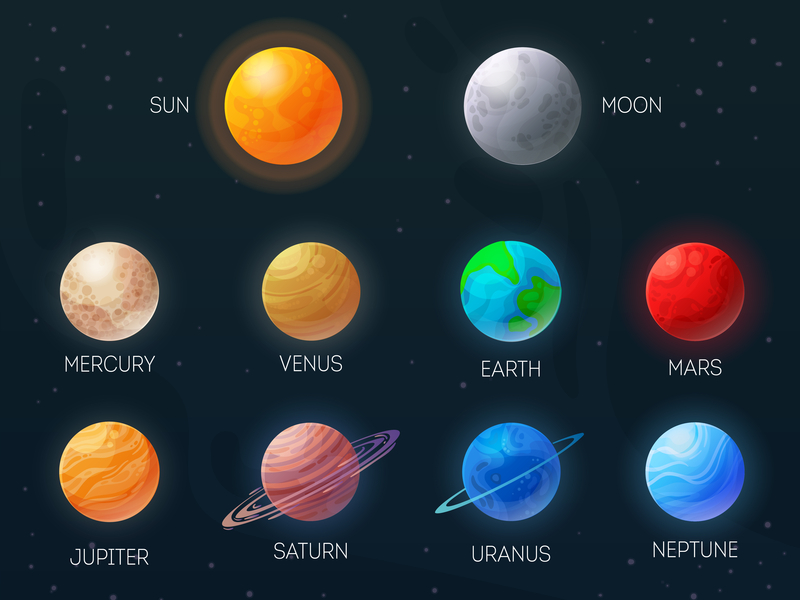


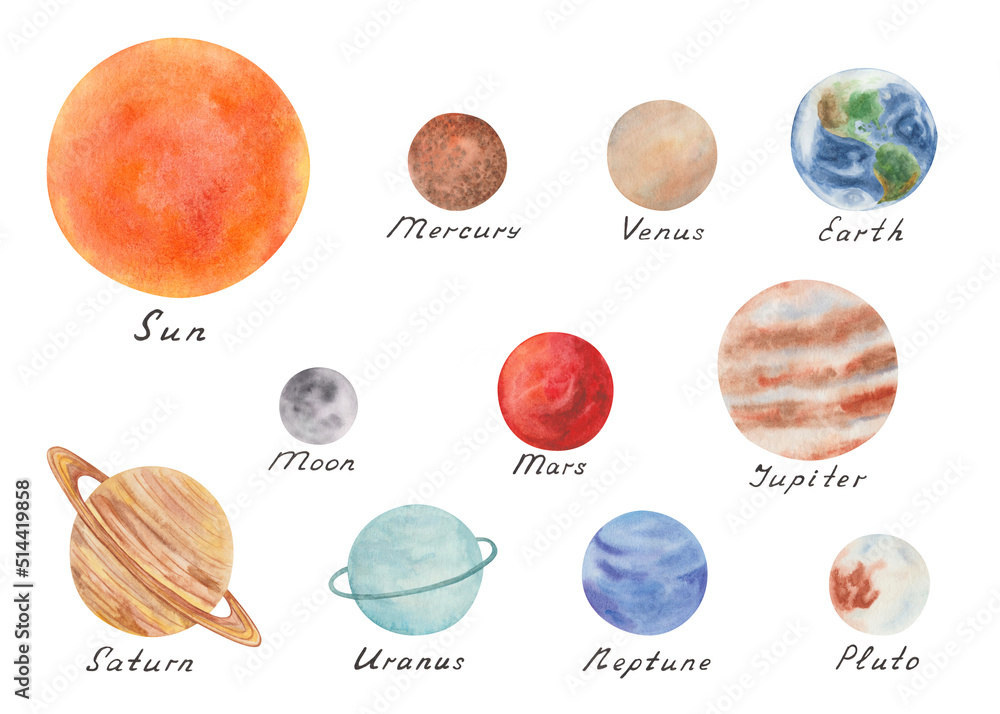


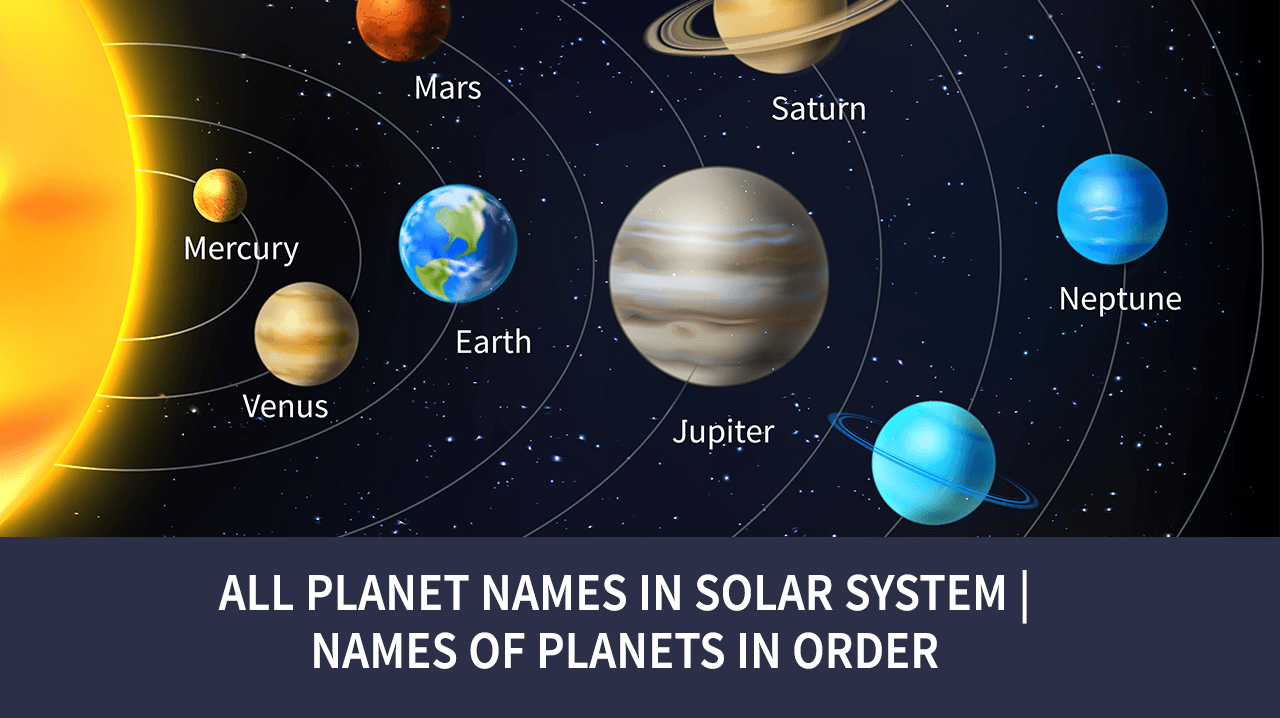



Here is where things start to get interesting in terms of the color of the planets. When you look at it from Earth, Venus has hazy light-yellow and white colors. But what we see is not its surface. It's just the thick clouds in its very dense atmosphere. The yellow clouds are the result of high concentrations of sulfuric acid. which often rains on the planets. We have little information.. The solar system is made up of eight planets with varying colors that change depending on the atmosphere and mineral composition. Images of the planets are often enhanced, which can distort their true colors. Mercury and Mars are identified by their gray and reddish tones, respectively, due to their composition. Planets like Jupiter and Saturn display bands of color that result from their.