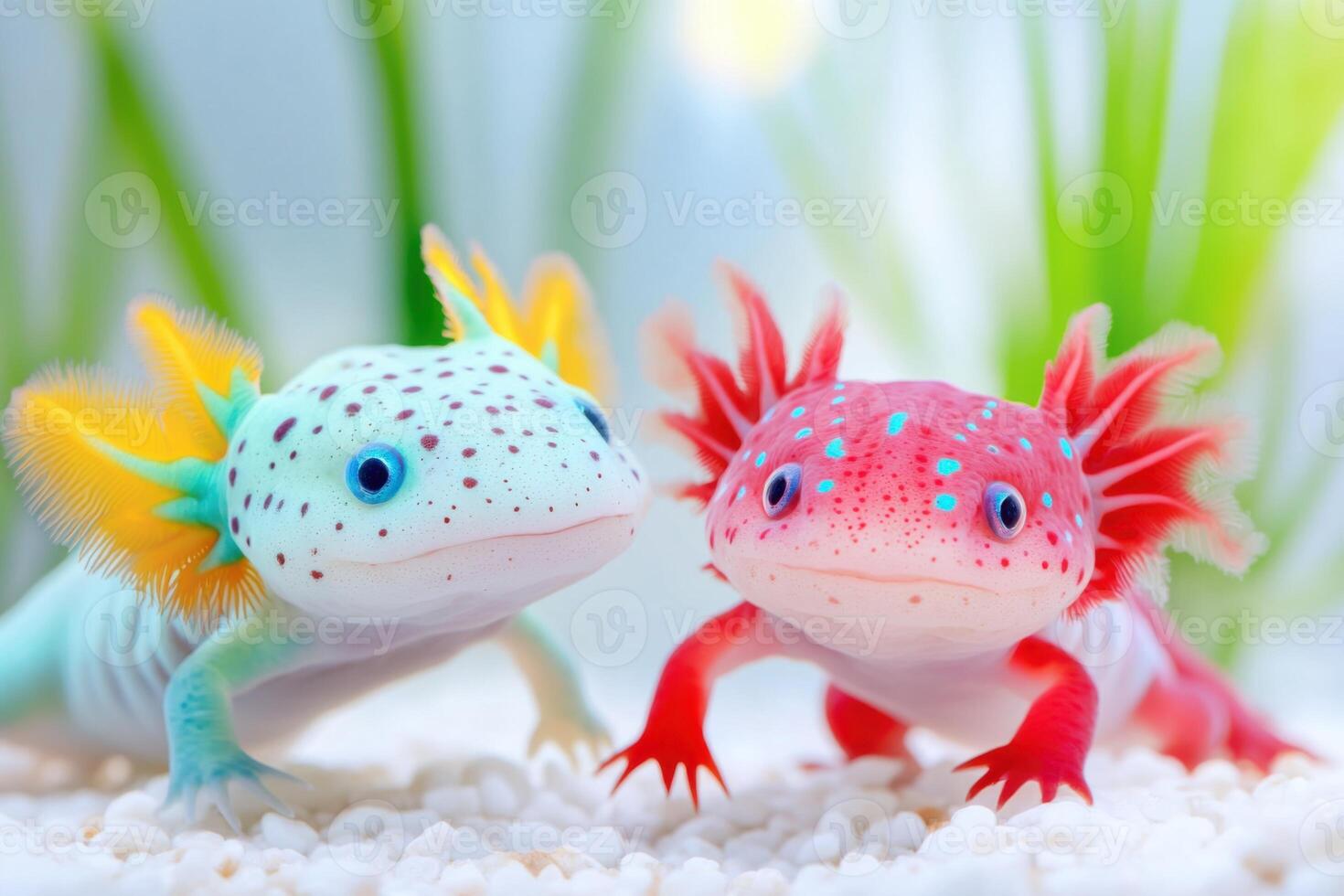
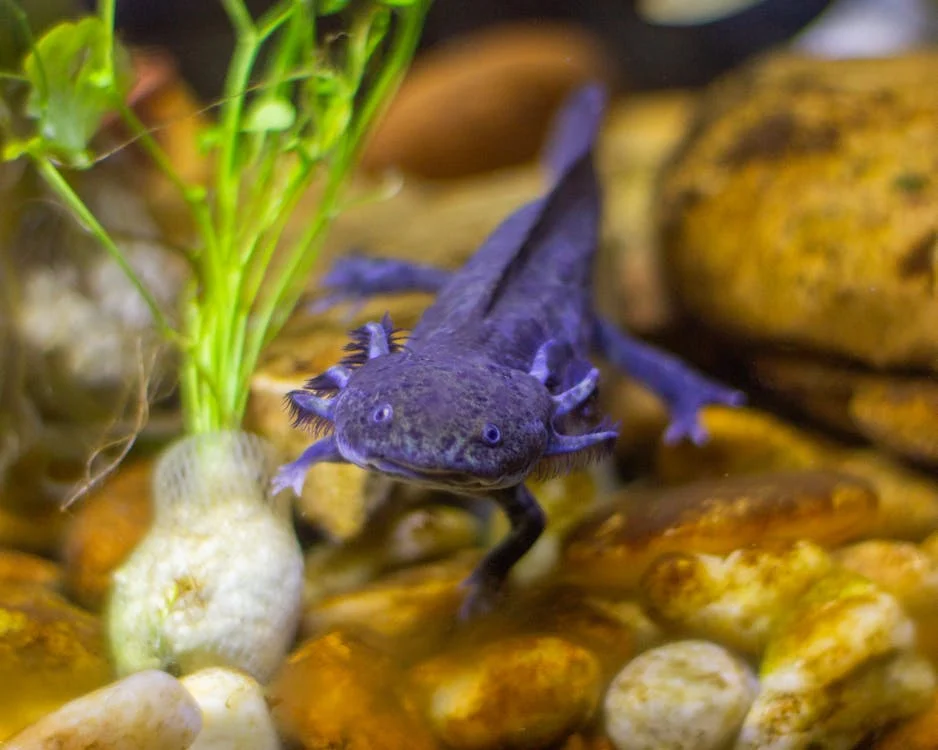
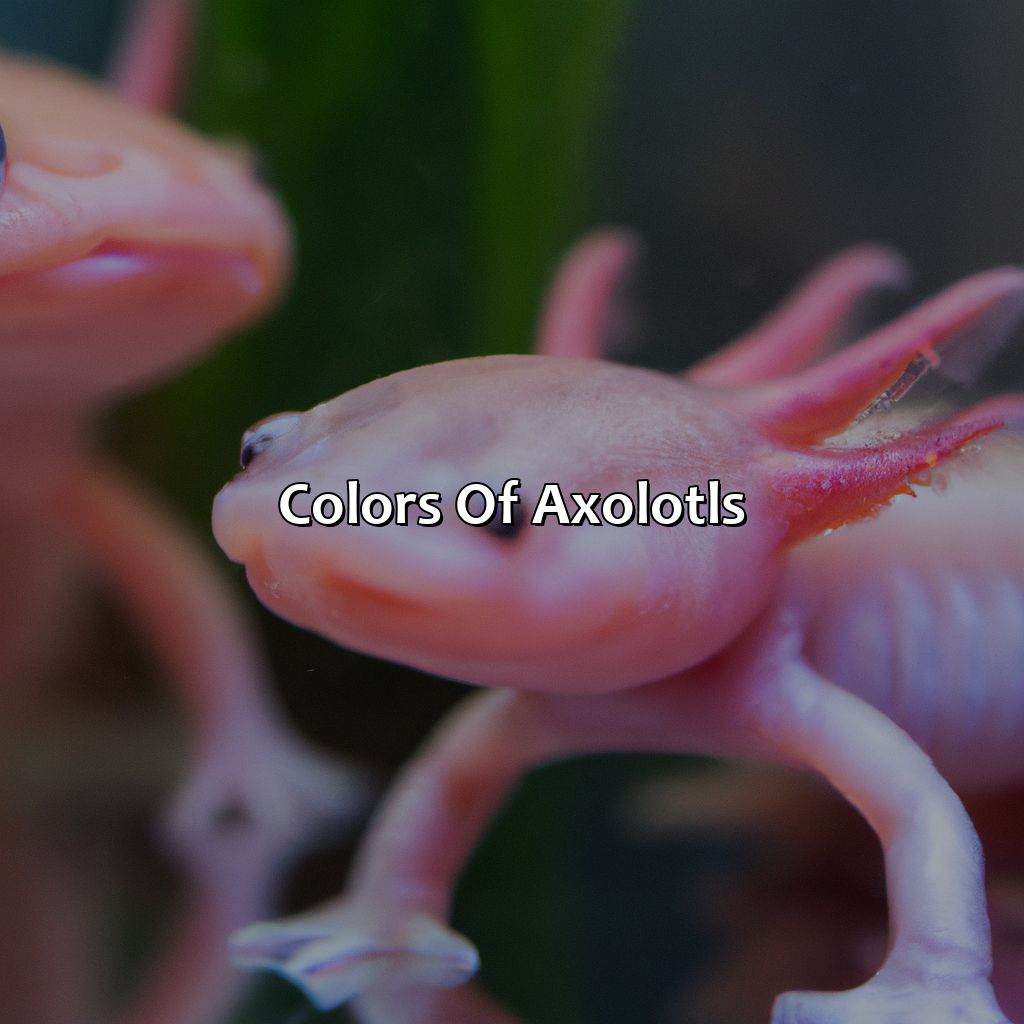
Axolotls are more than just interesting water creatures; they come in a variety of stunning colors. In this article, we'll explore the 17 different colors or morphs these amphibians can have. With clear images and easy-to-understand descriptions for each hue, you'll get a full picture of their colorful world. Whether you're already a fan or just curious, let's dive into the vibrant.. This guide describes the differences between each axolotl color morph and provides images to go along with them!

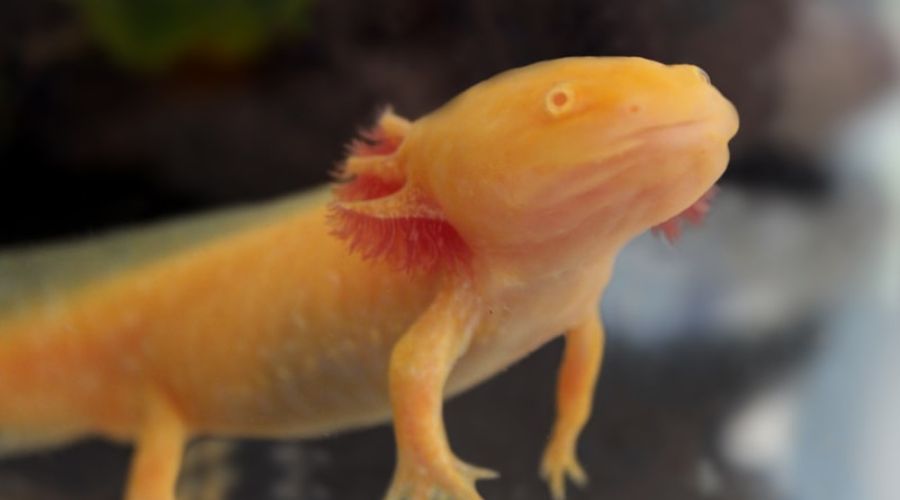

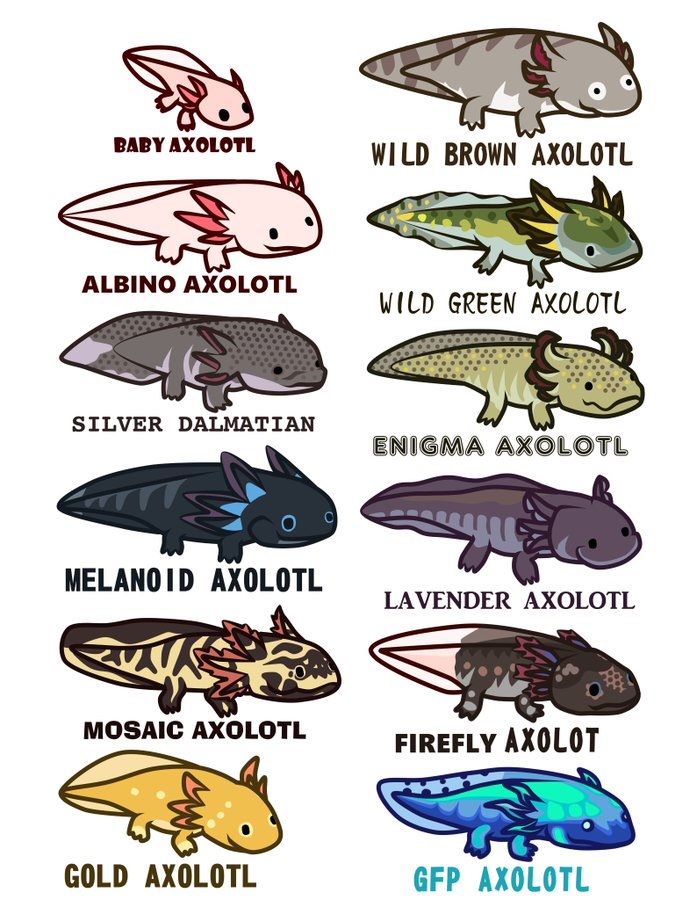


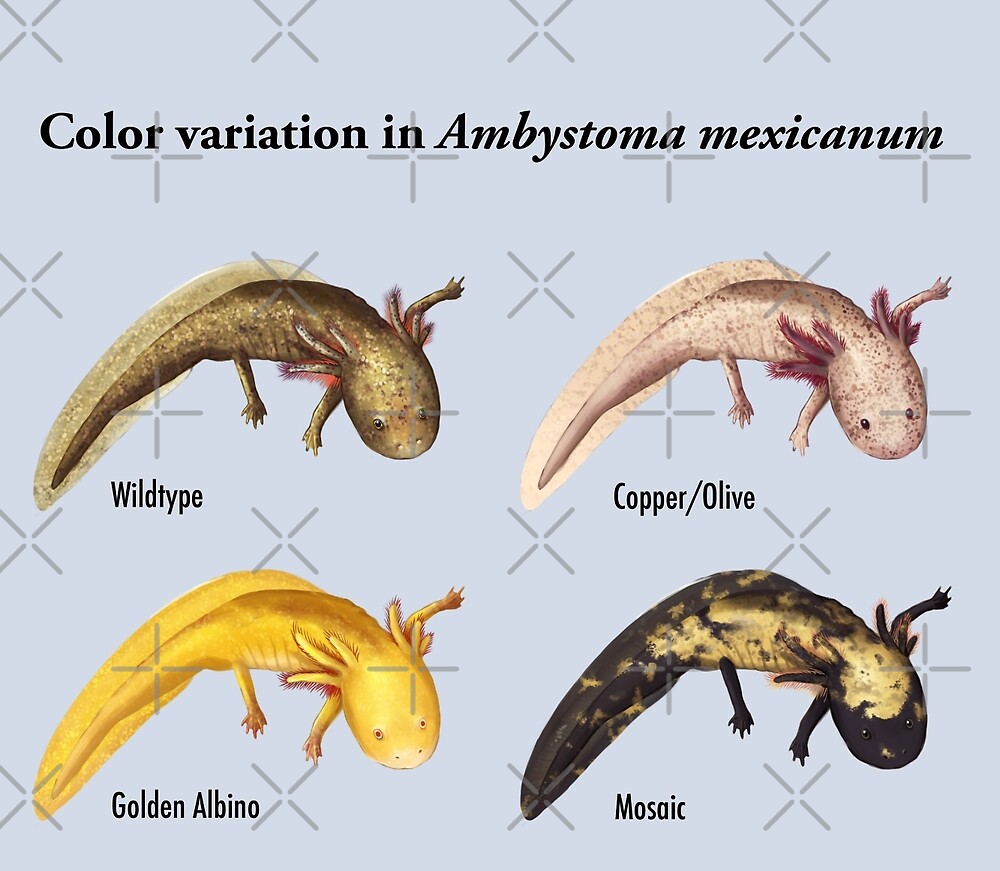
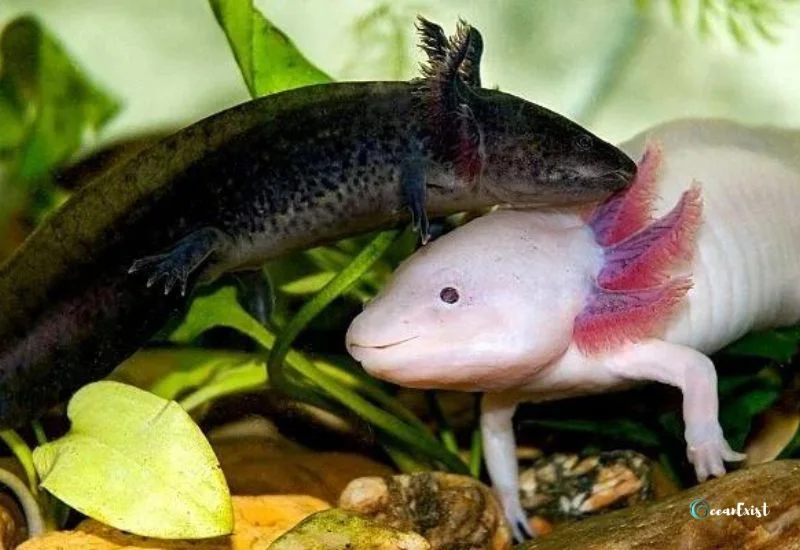

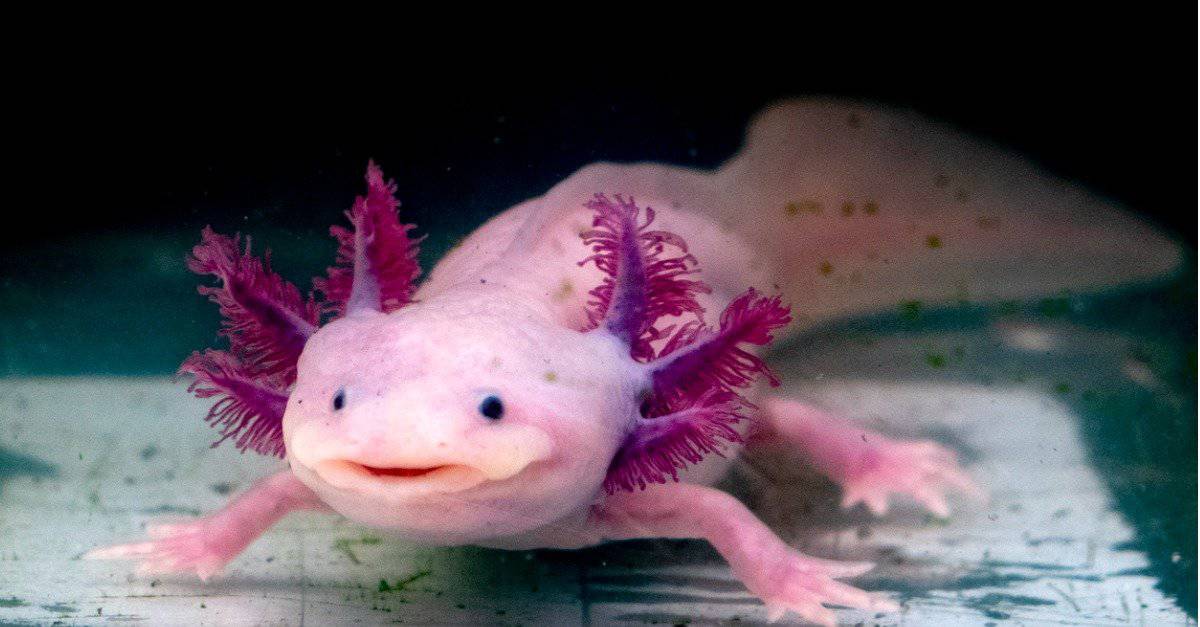

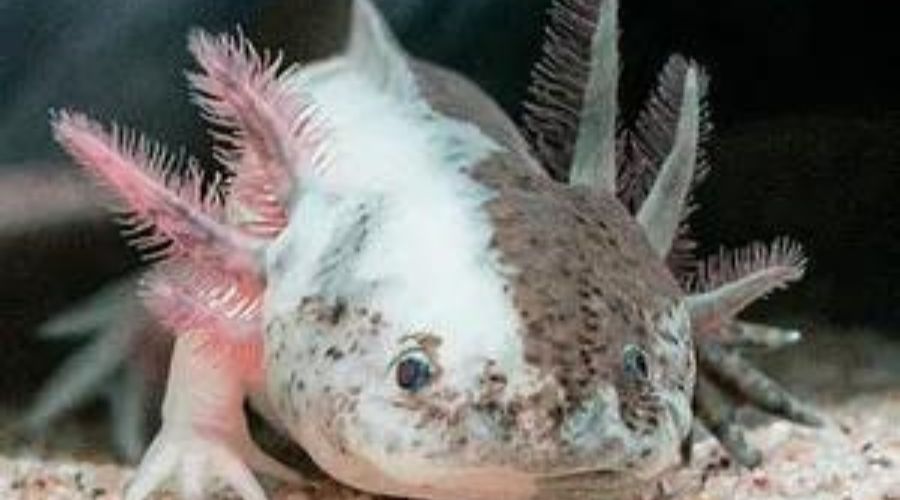

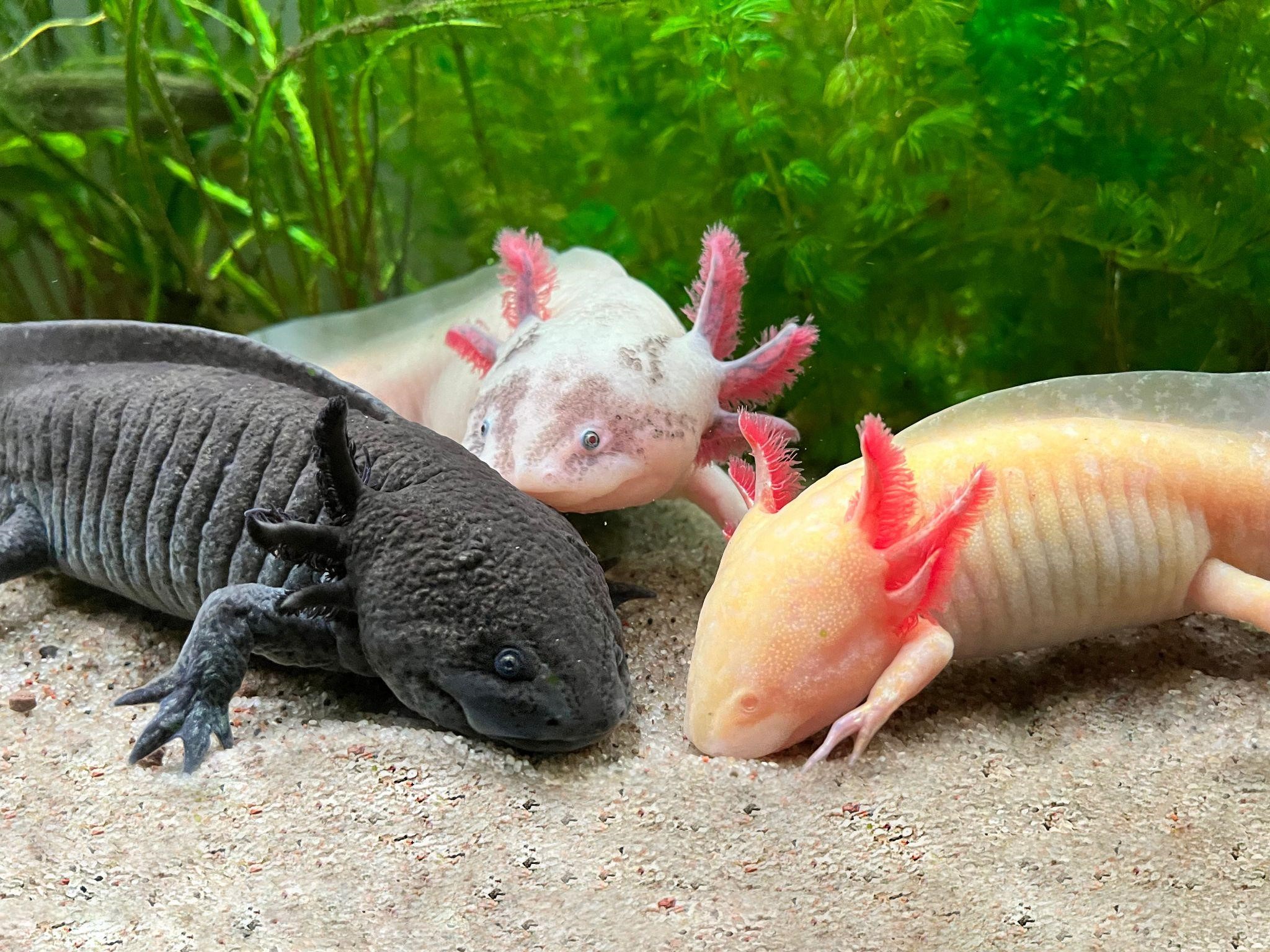
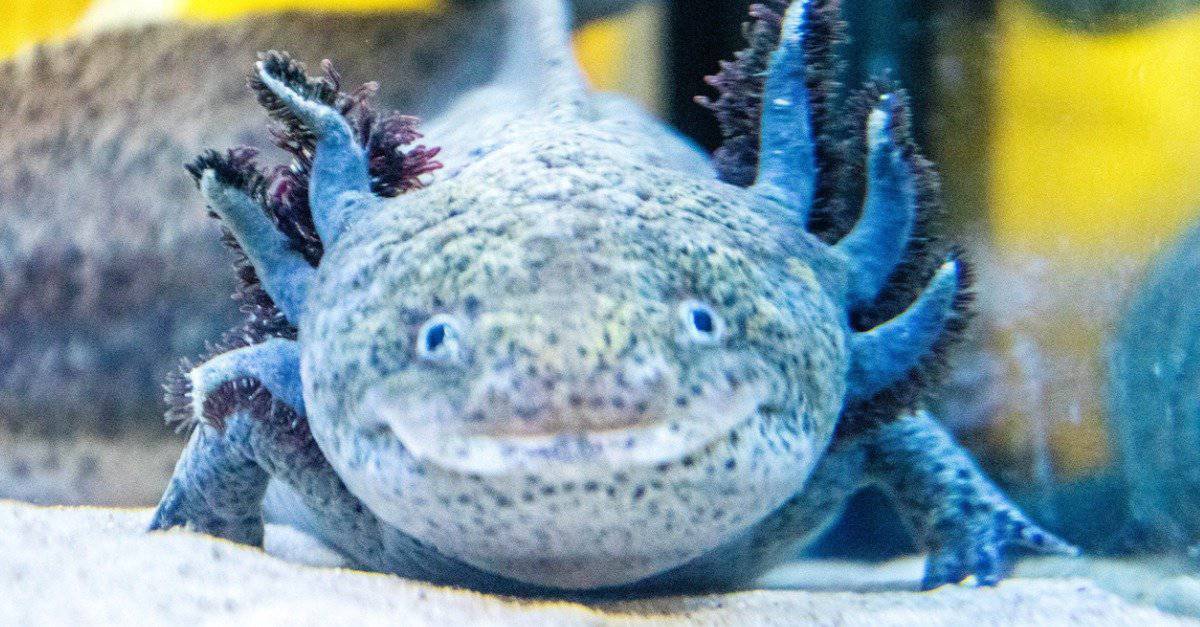
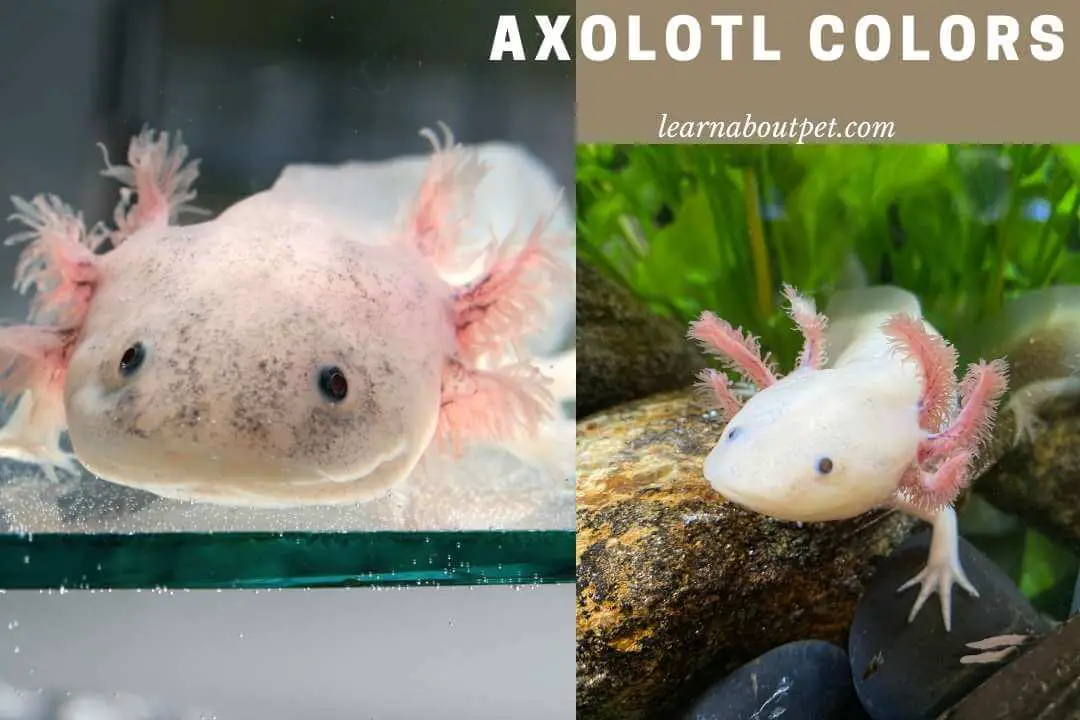



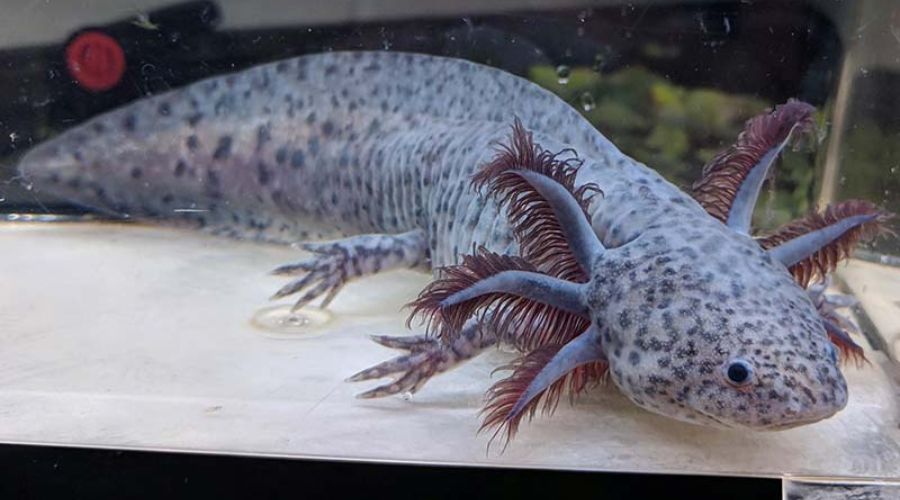
Understanding Axolotl Color Variations: A Genetic Primer Before we dive into the rainbow of available morphs, it's helpful to understand the science behind axolotl color variations. Unlike many other pets, an axolotl's color is primarily determined by a few key genes that control the presence and distribution of pigment cells called chromatophores. There are three main types of.. The wild type animal (the "natural" form) is brown or tan with gold speckles and an olive undertone. They can subtly alter their color by changing the relative size and thickness of the melanophores, presumably for camouflage. [17] Axolotls have four pigmentation genes; when mutated, they create different color variants. [18] The four most common mutant colors are as follows: Leucistic: pale.