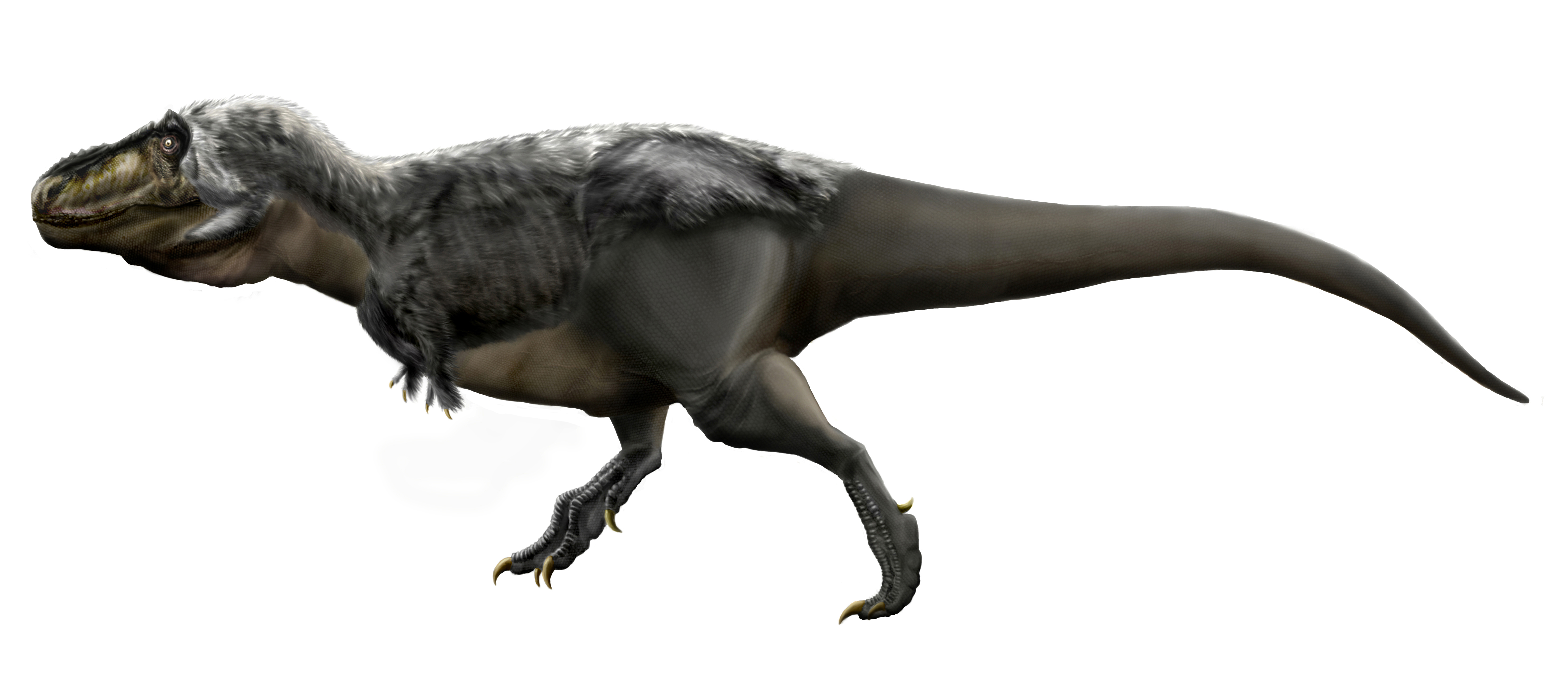
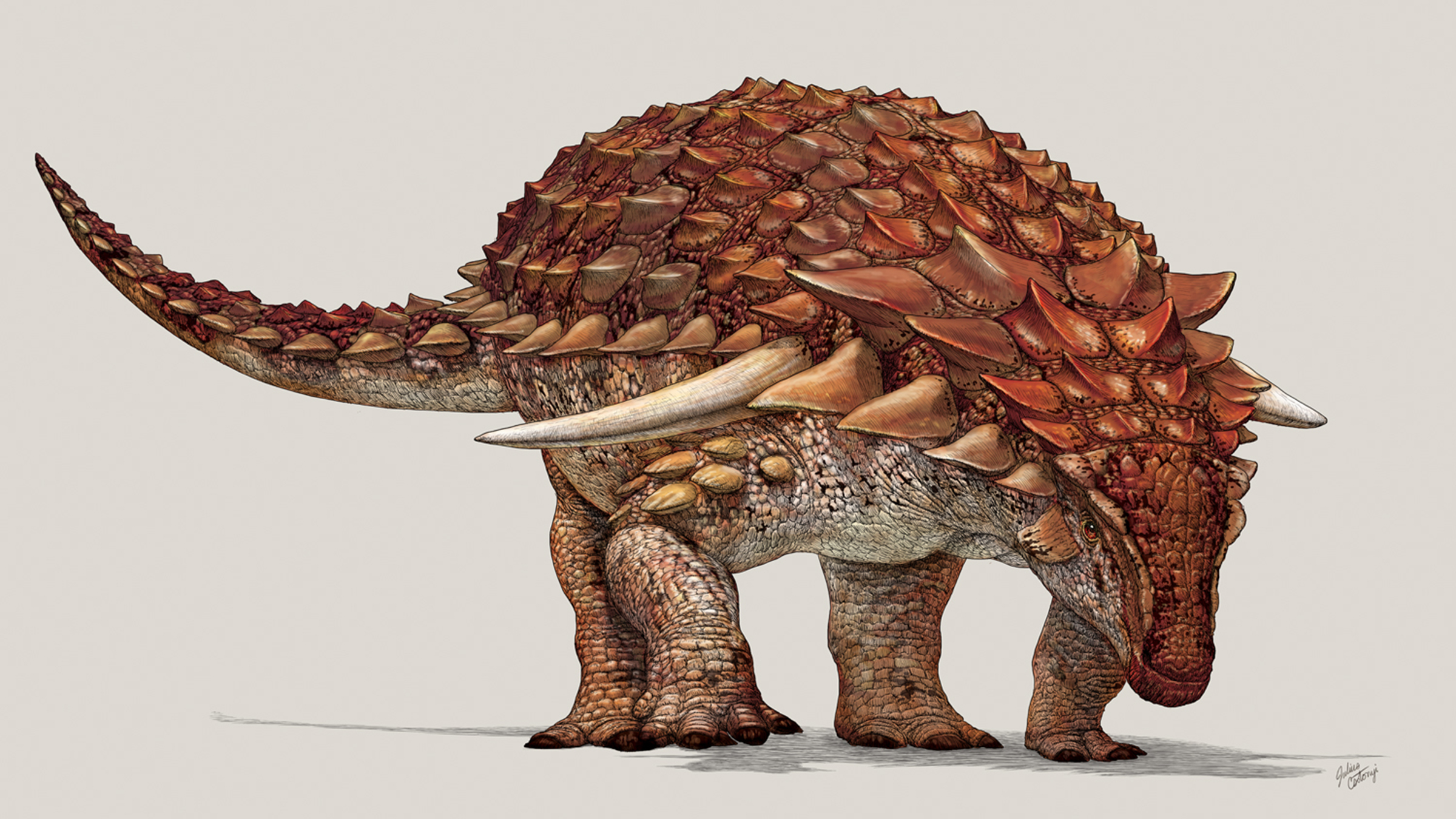
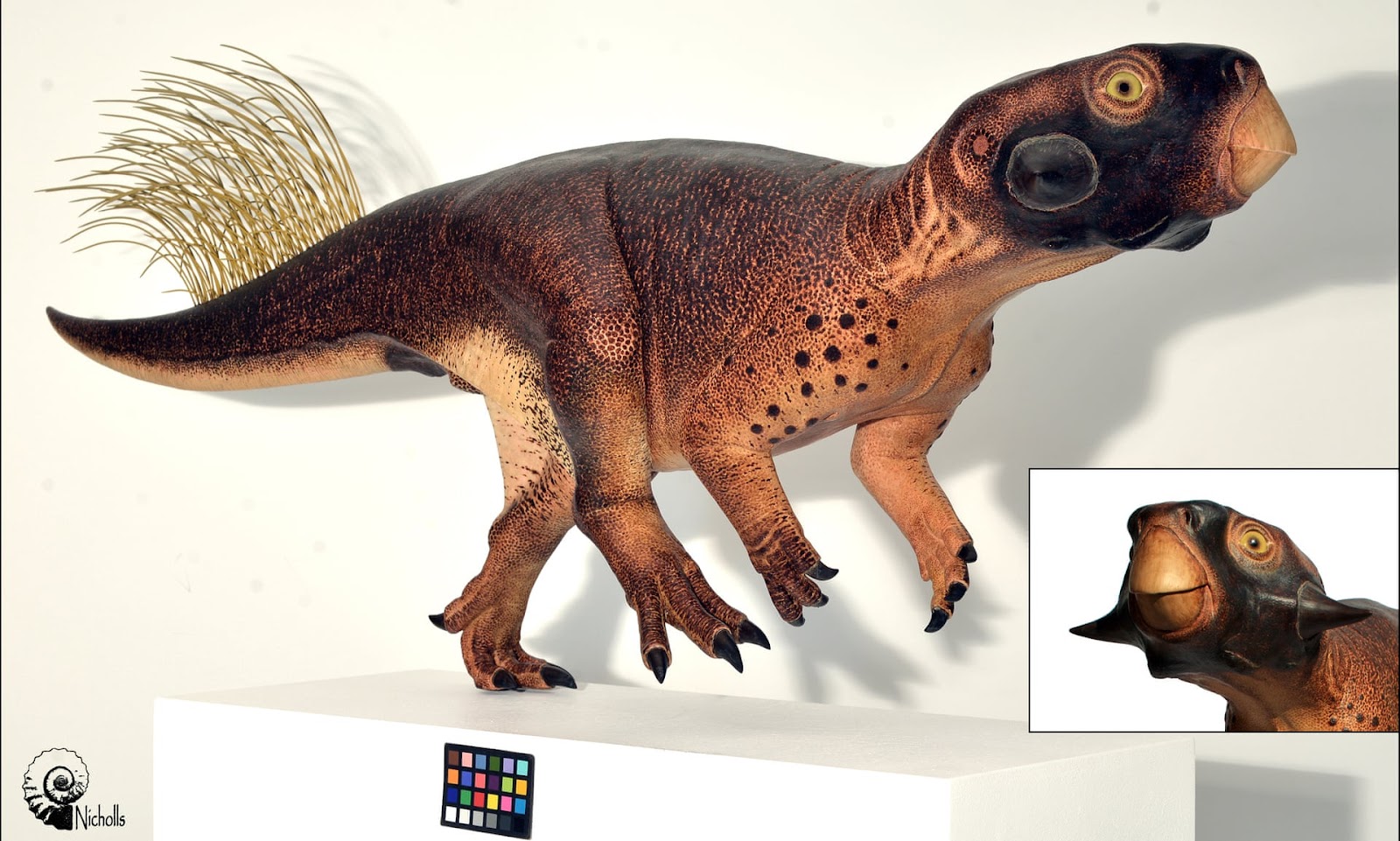
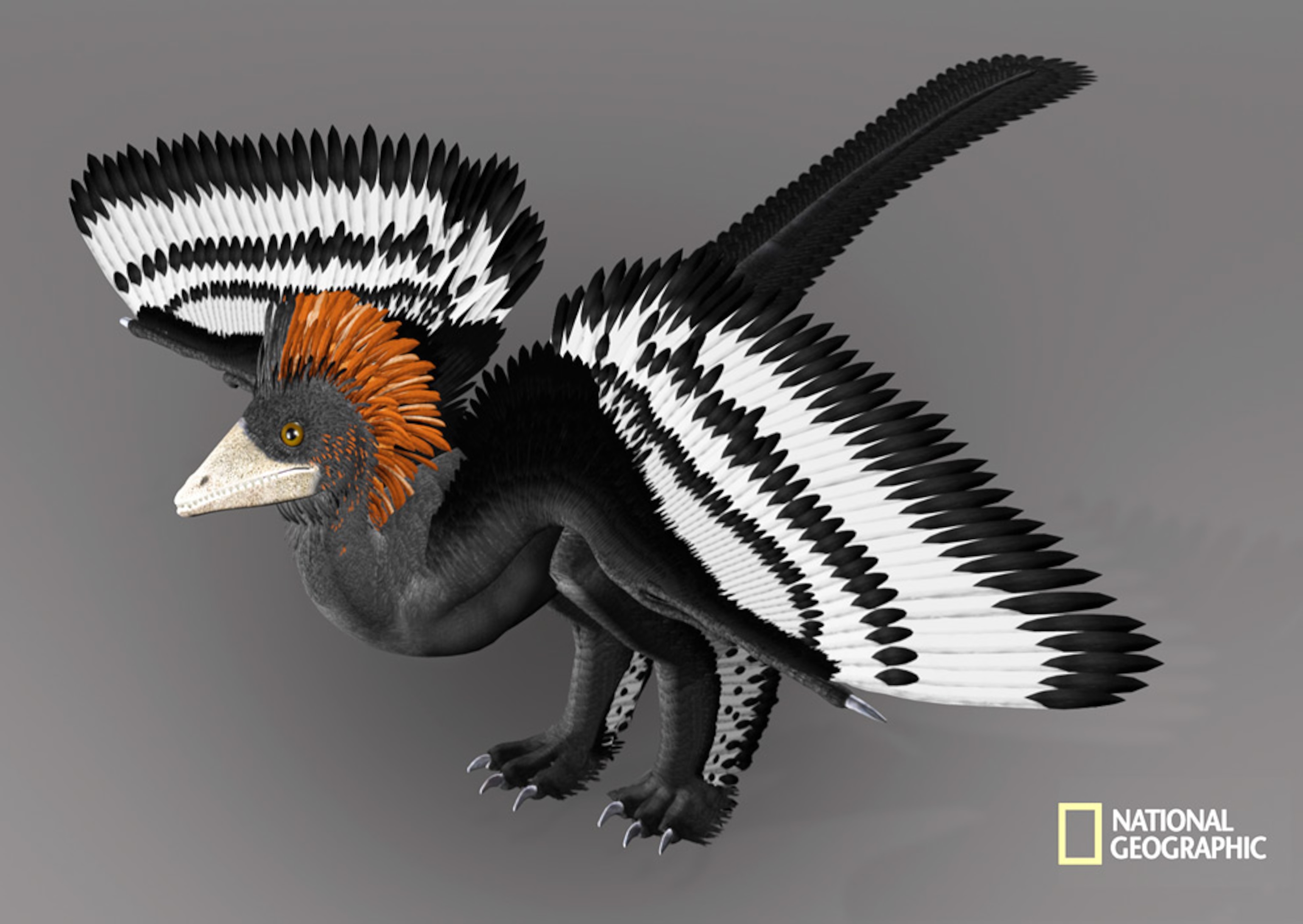
In one of the books I've read ("Dinosaurs: How they lived and evolved") they mentioned studies into how the shape of melanomasomes is affected by taphanomic and preservation processes. Apparently, if you bury a feather and put it under a lot of pressure its melanomasomes get warped into looking more like shades of grey, beige, and brown.. Dakota preserves some patterns of scalation that have been speculated to correspond to patterns of coloration, but we don't actually know its colors. Or for that matter that the different scales actually do correspond to different colors.








:max_bytes(150000):strip_icc()/GettyImages-495836375-5b2e88d6ba61770036102d71.jpg "How Do We Know What Dinosaurs Looked Like")



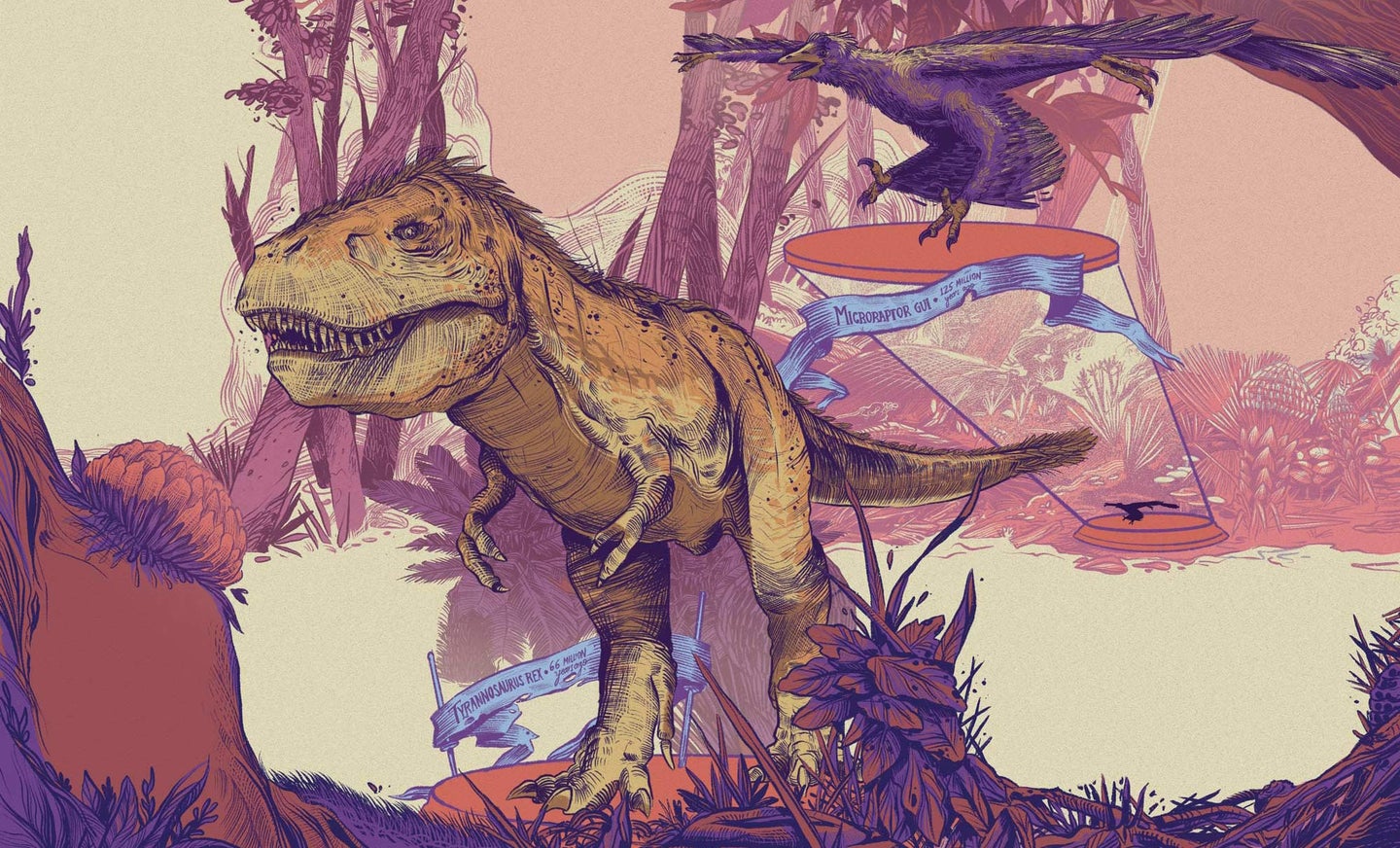


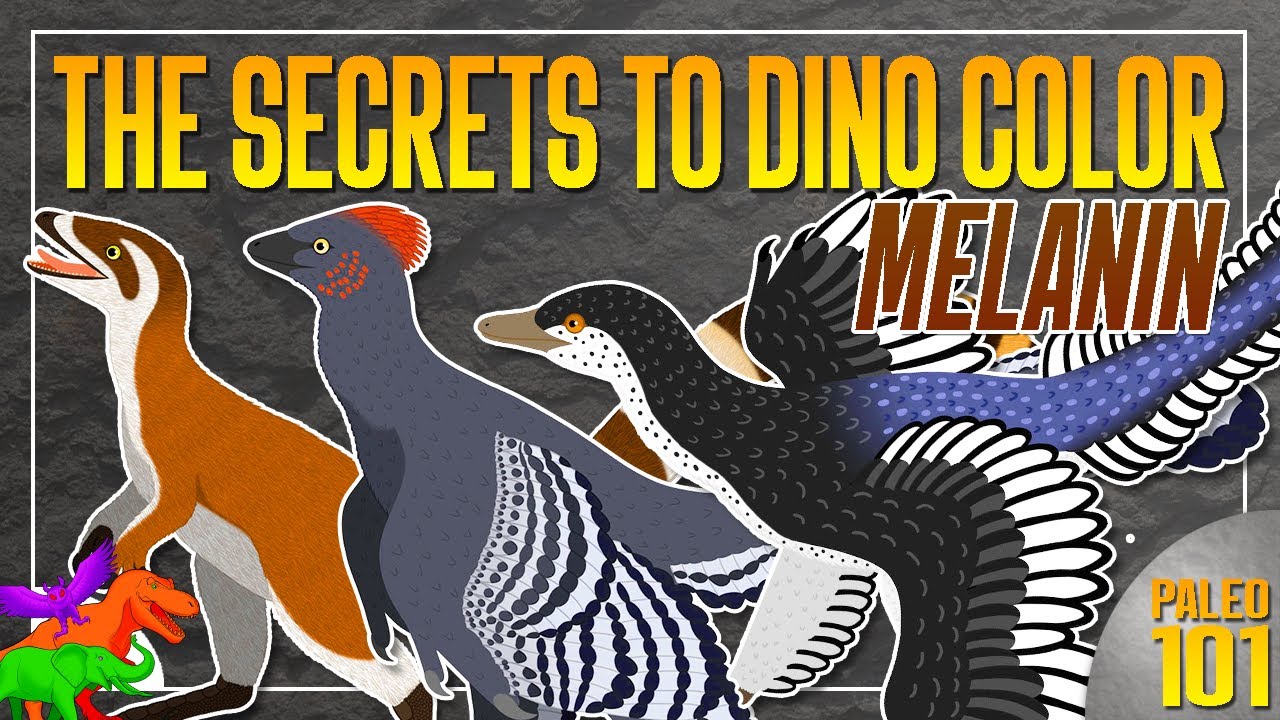
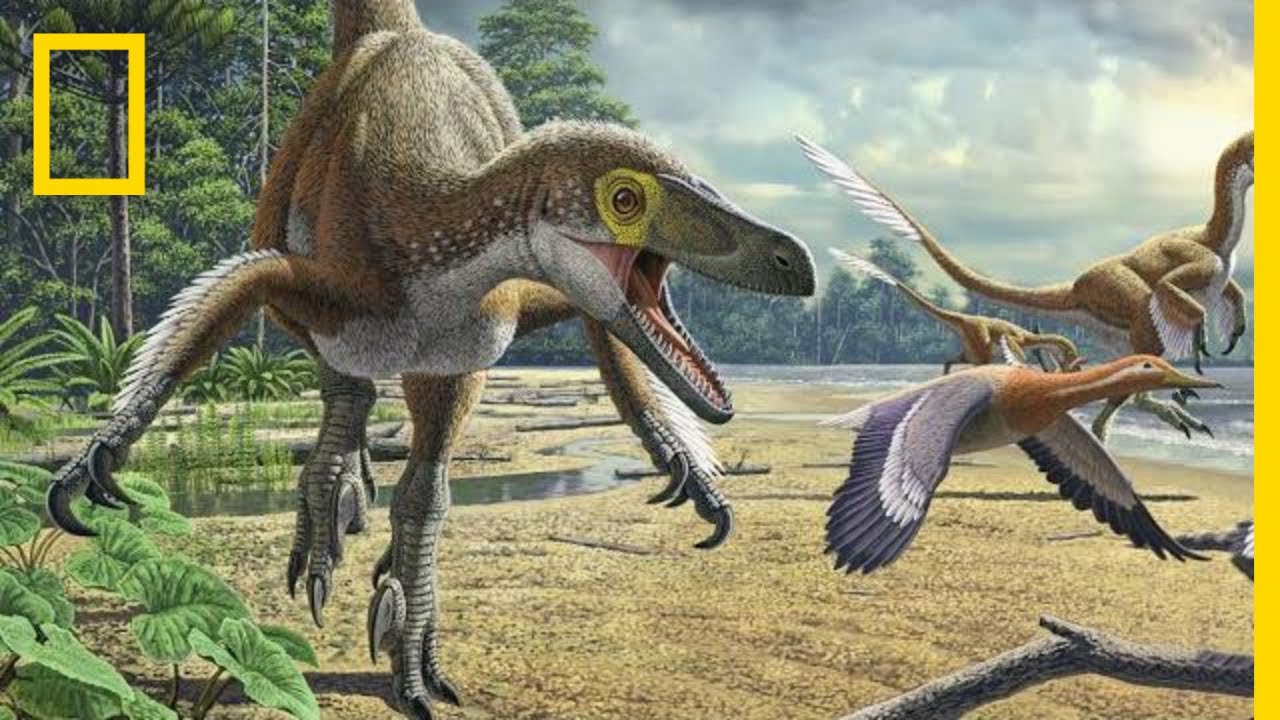
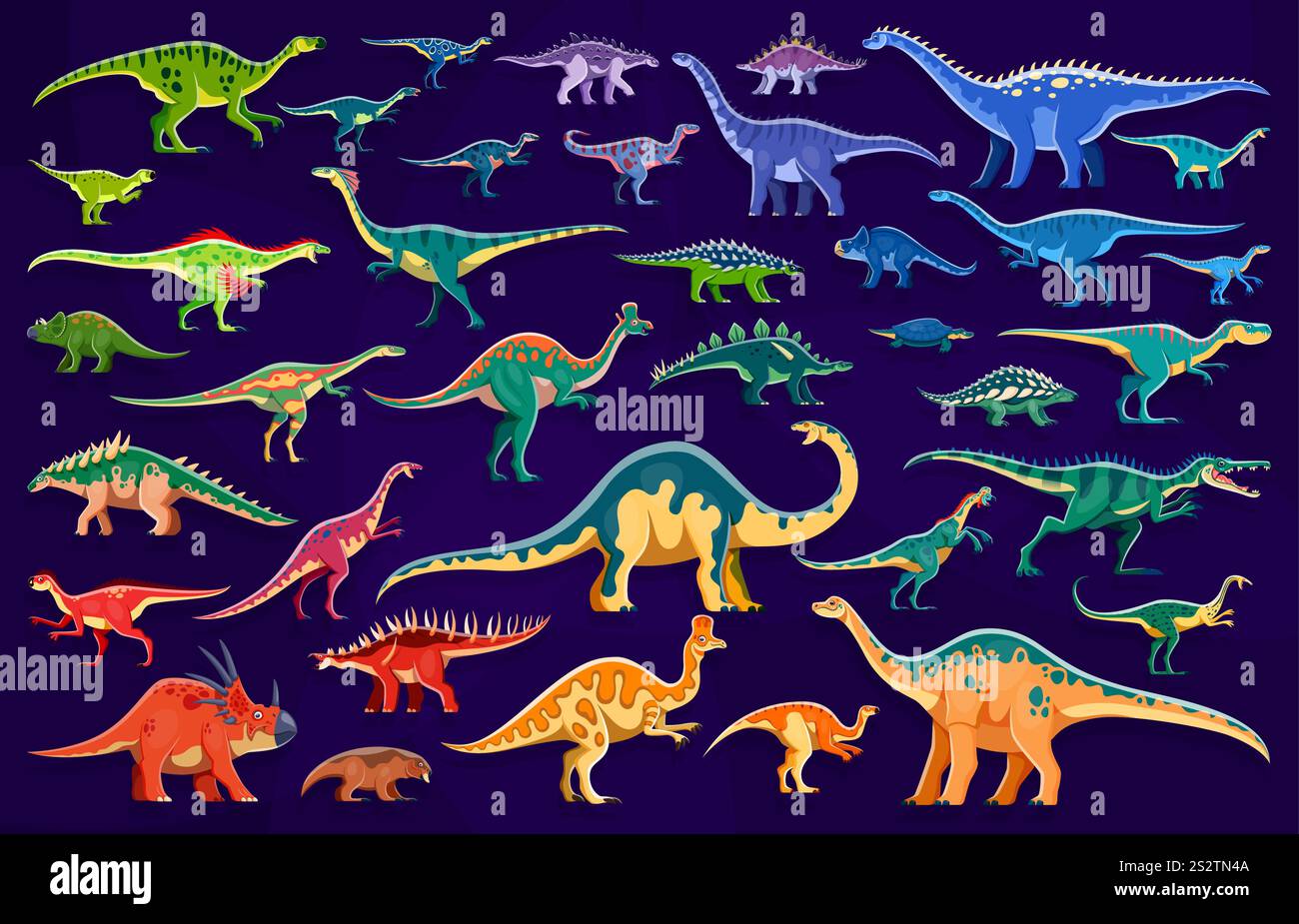
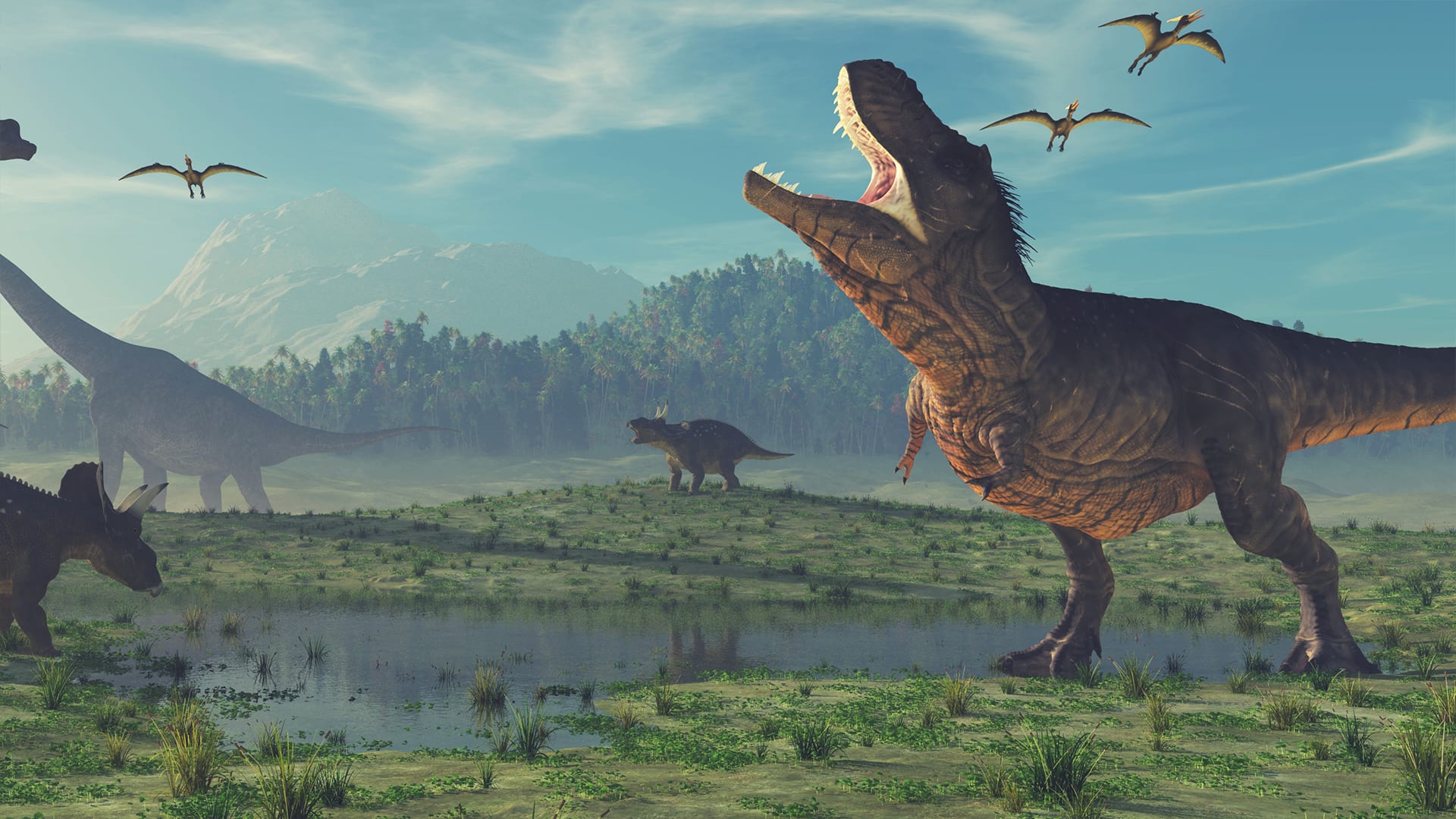
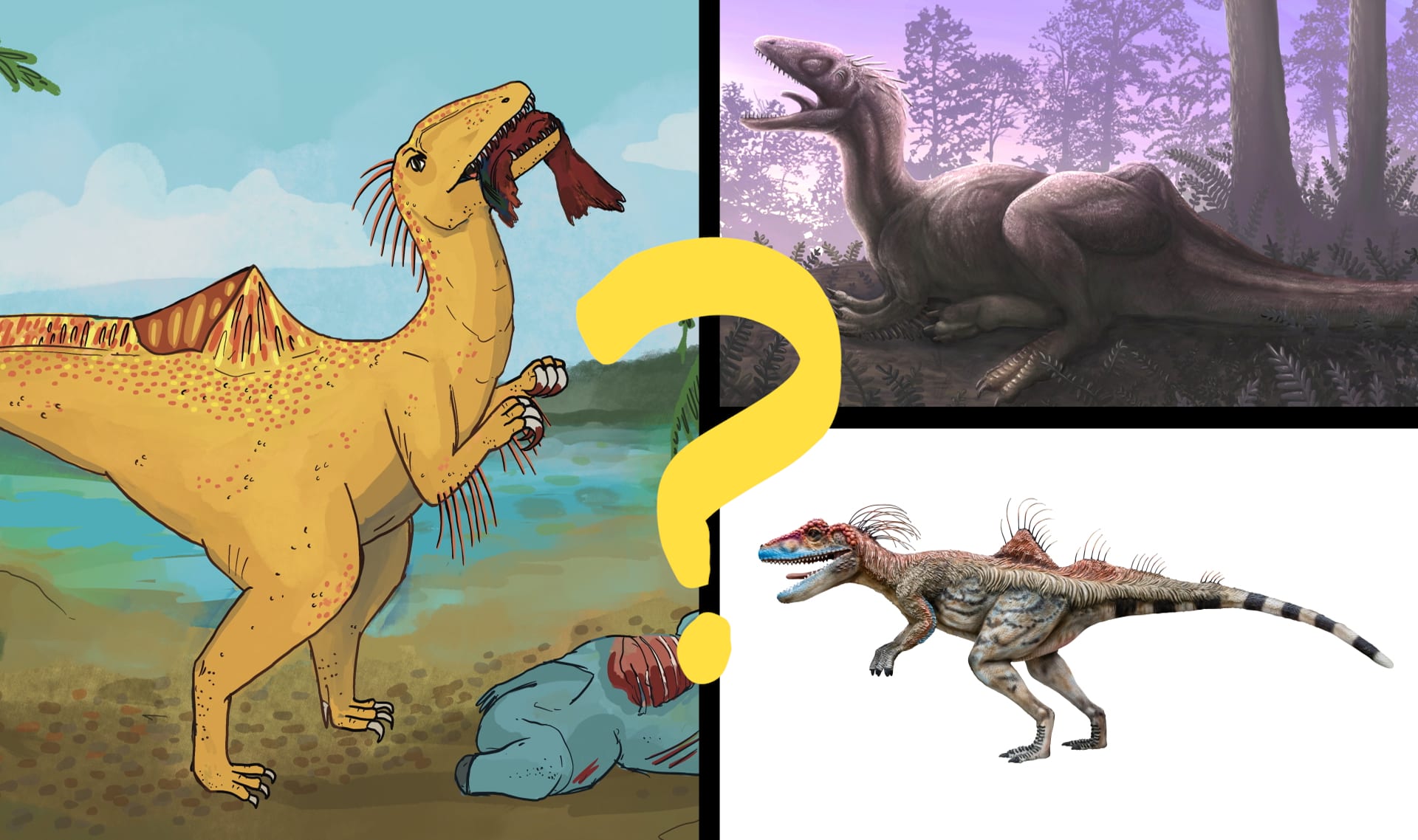
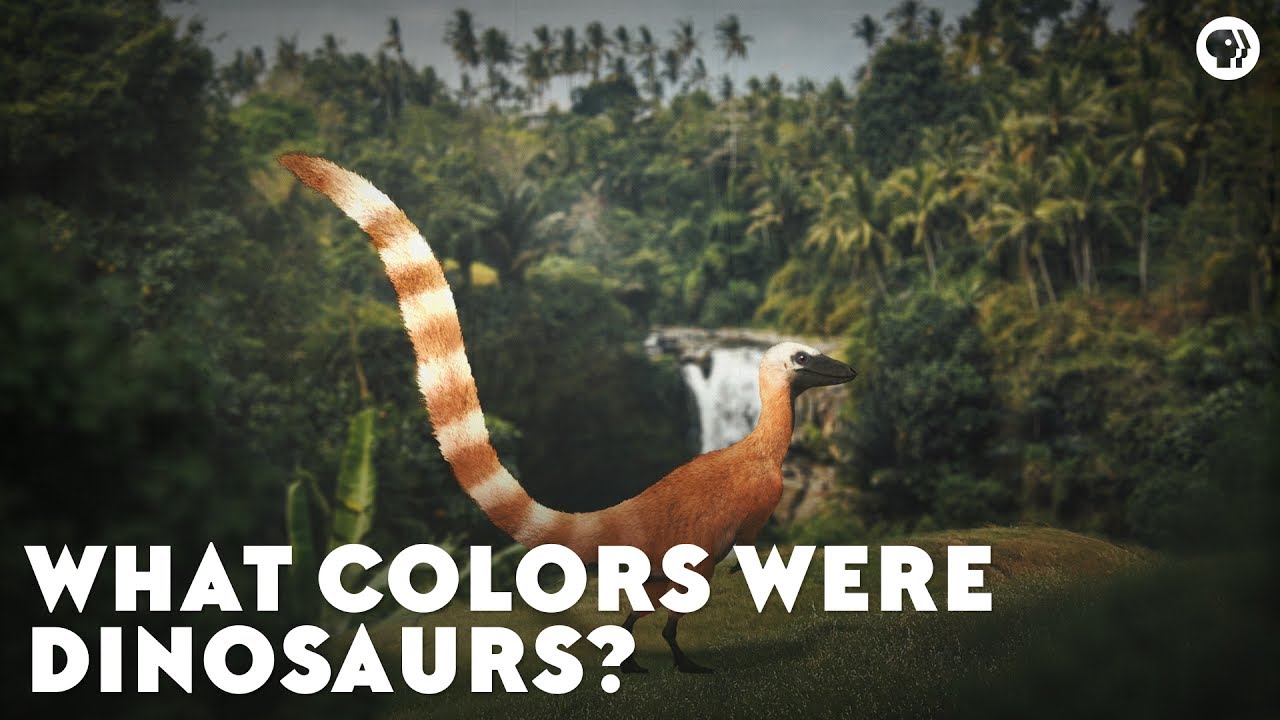
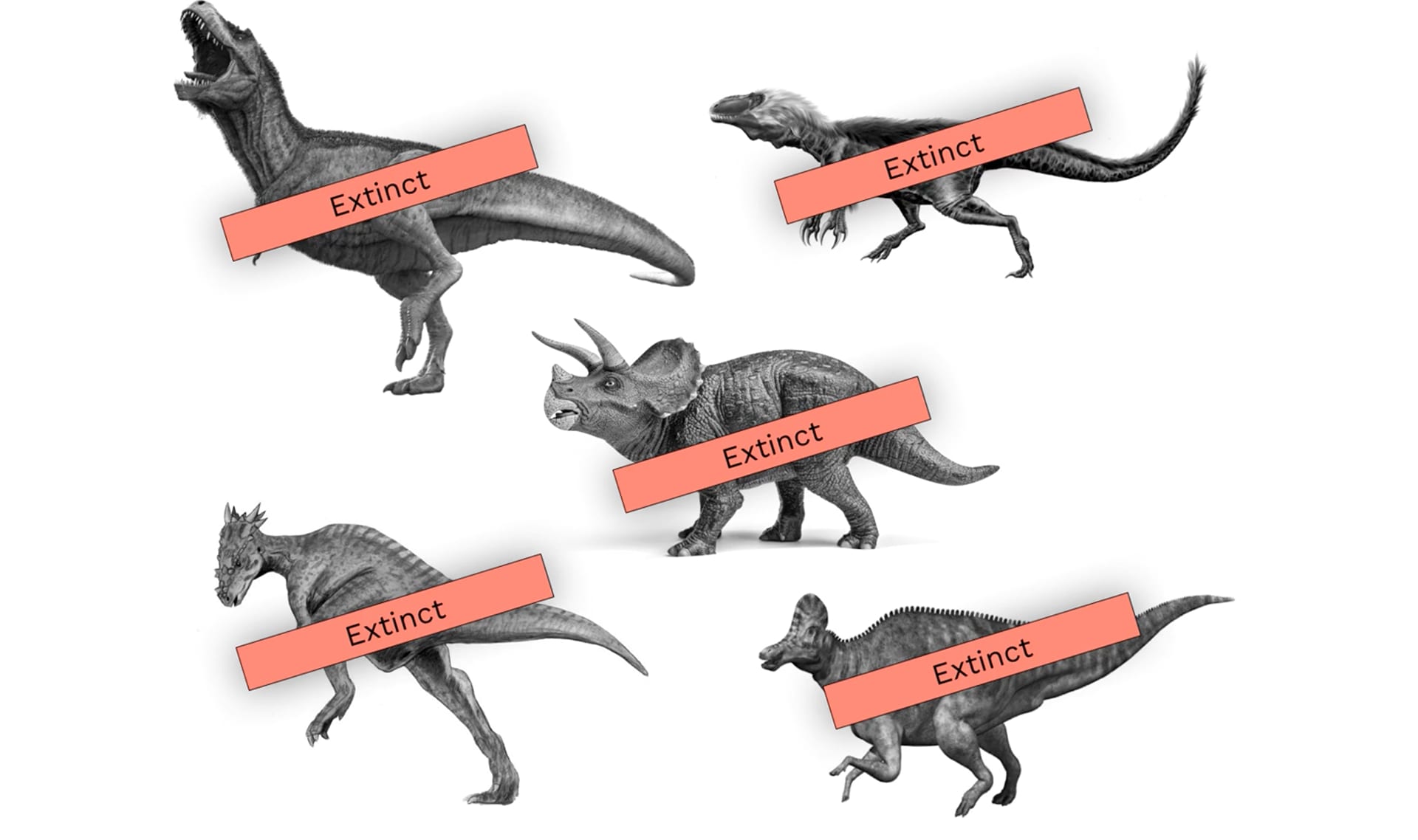
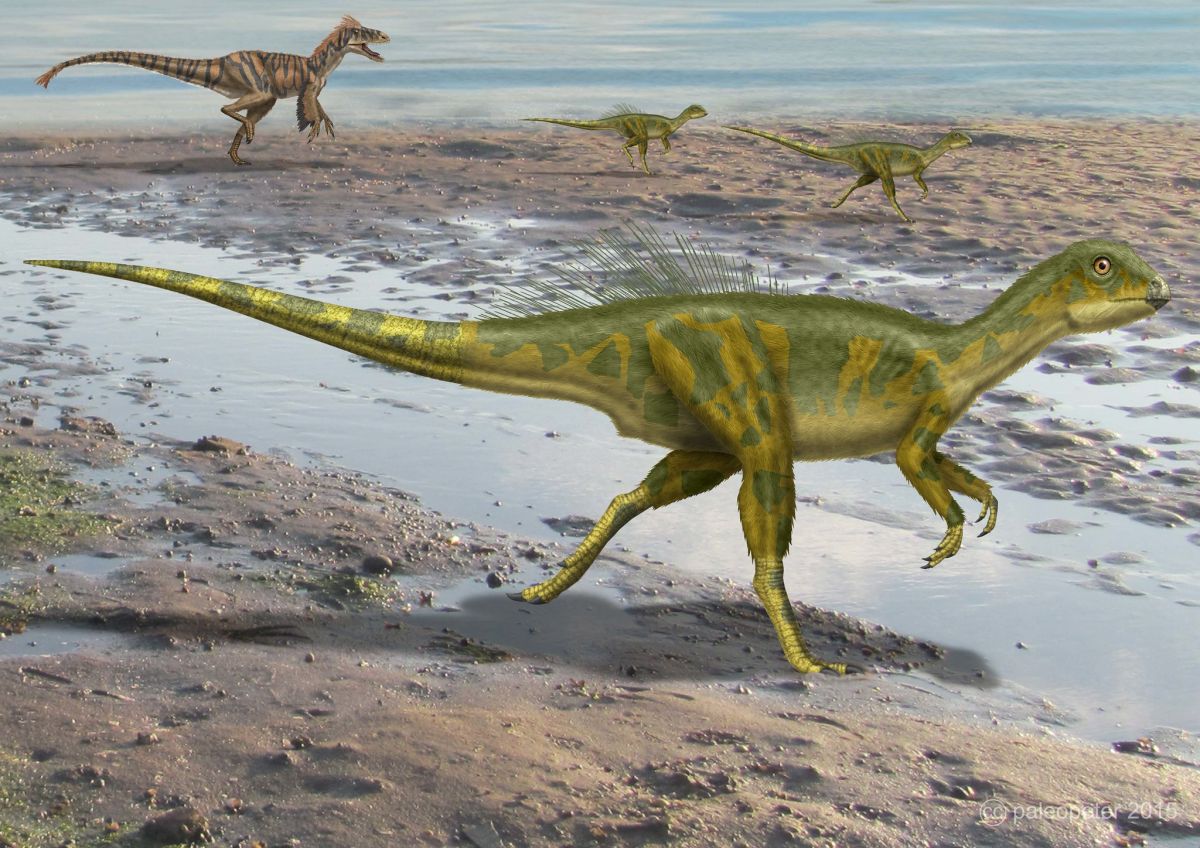
We're far from knowing whether the Tyrannosaurus Rex was a vibrant shade of pink, as guessing skin color from fossilized remains is currently clever guesswork. This doesn't mean there aren't any clues, but getting a completely accurate picture of what dinosaurs looked like might only be possible with time travel.. For decades, our minds painted dinosaurs in shades of drab grey or muted green, a persistent image born from early paleontology and pure speculation. But what if we told you that picture is entirely wrong? What if the Mesozoic world wasn't a dull, monoc.