" A key benefit of Dolby MAT 2.0 is that Dolby Atmos object-based audio can be live encoded and transmitted from a source device with limited latency and processing complexity. Among the possible sources are broadcast set-top boxes, PCs, and game consoles. The Dolby MAT 2.0 decoder in an AVR outputs the object-based audio and its metadata for.. To be able to embed metadata into PCM, Dolby has created Dolby MAT 2.0 (Metadata-Enhanced Audio Transport). HDMI eARC (the return channel, or 'upstream' channel) is required to transmit Dolby MAT via a TV. Atmos in PCM is not supported over standard HDMI ARC, but TVs with Atmos support can typically transcode it to Dolby Dolby Digital Plus.


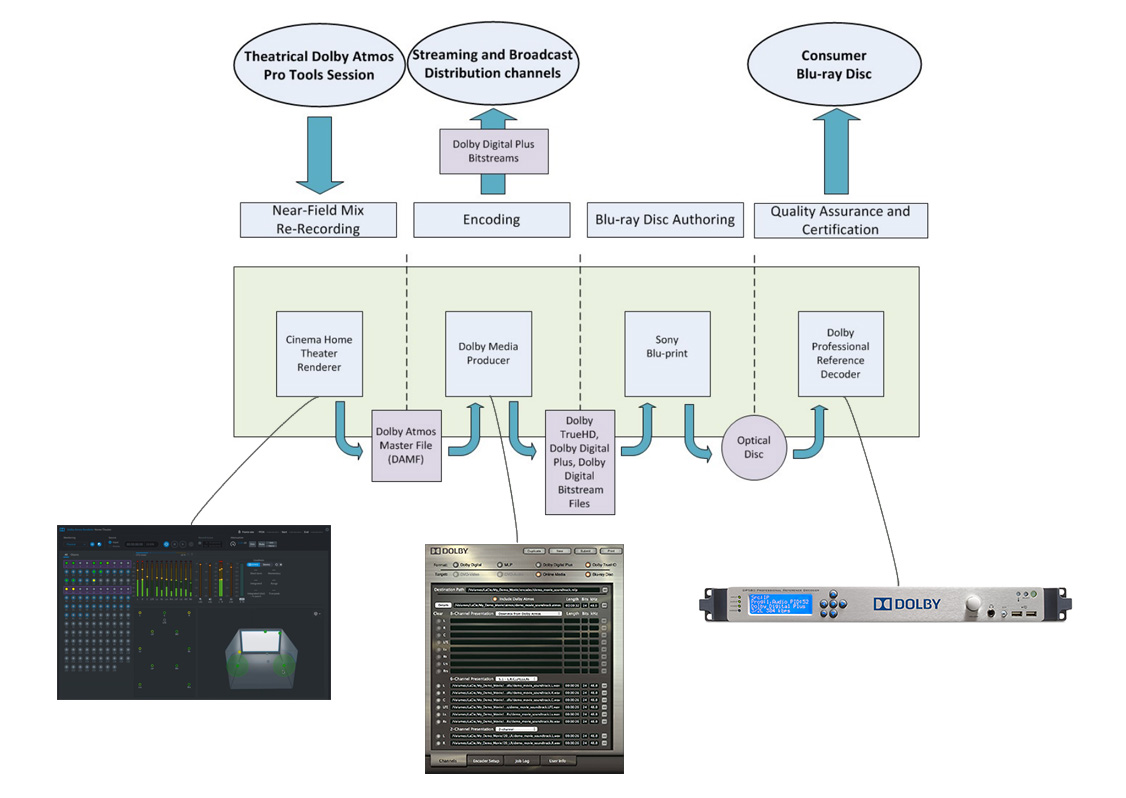
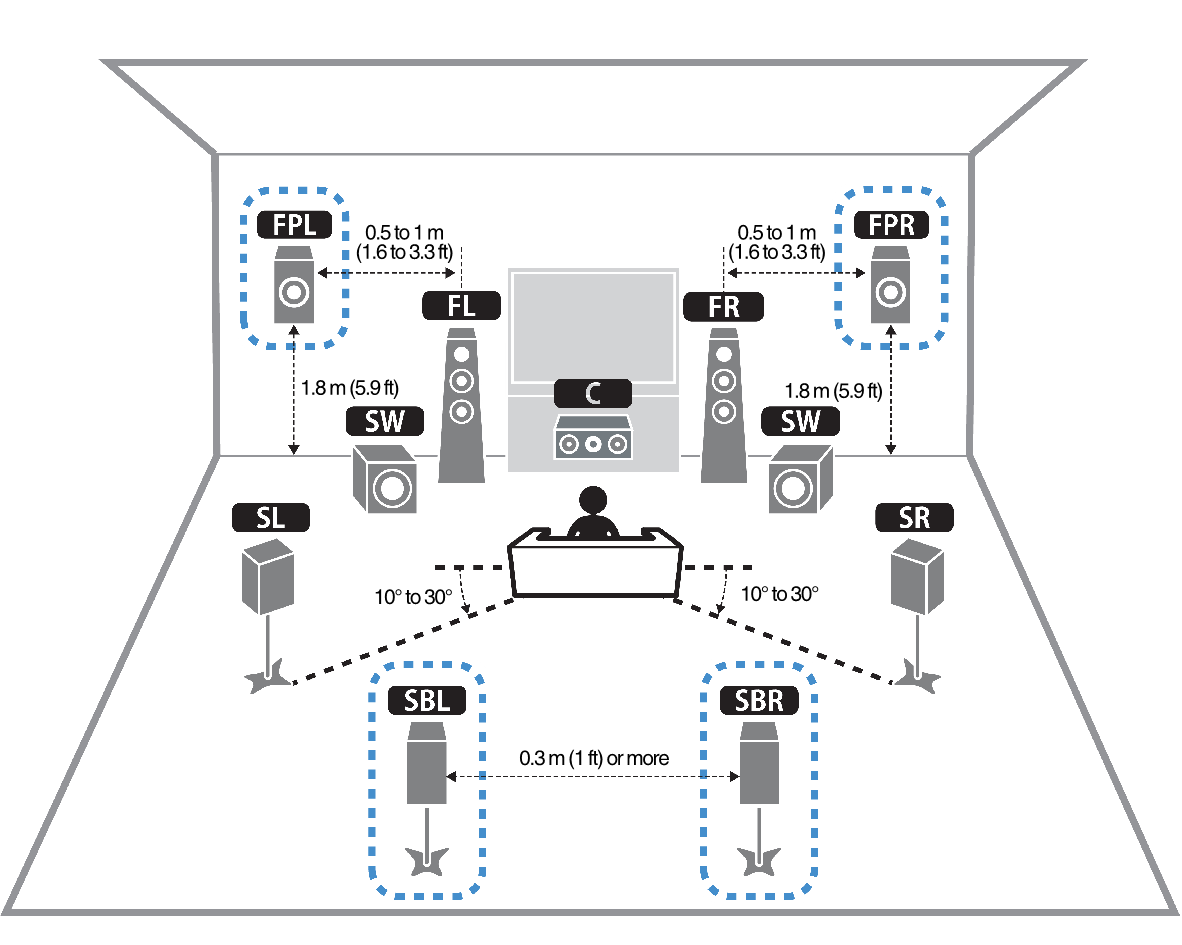

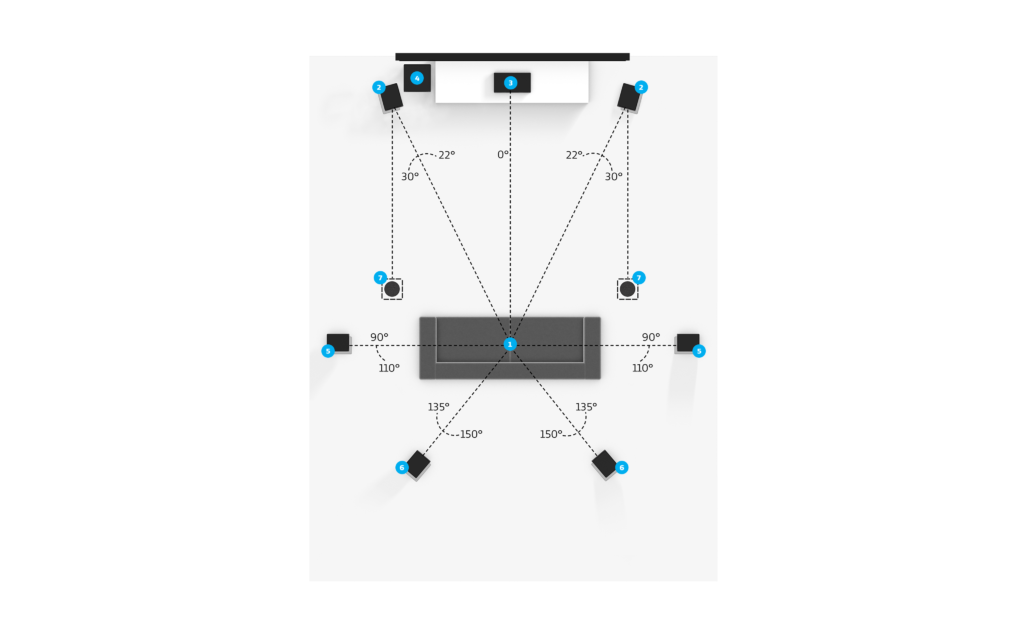
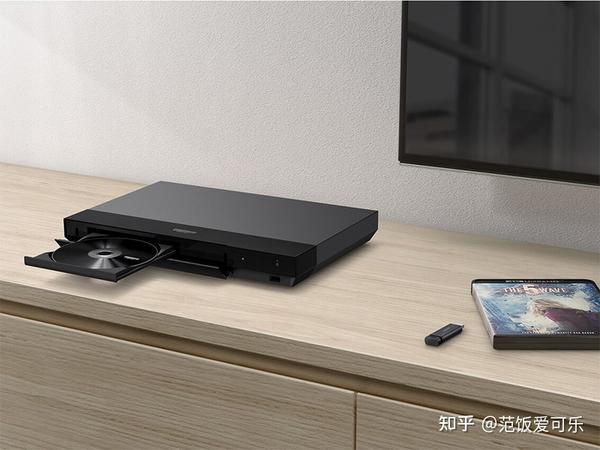
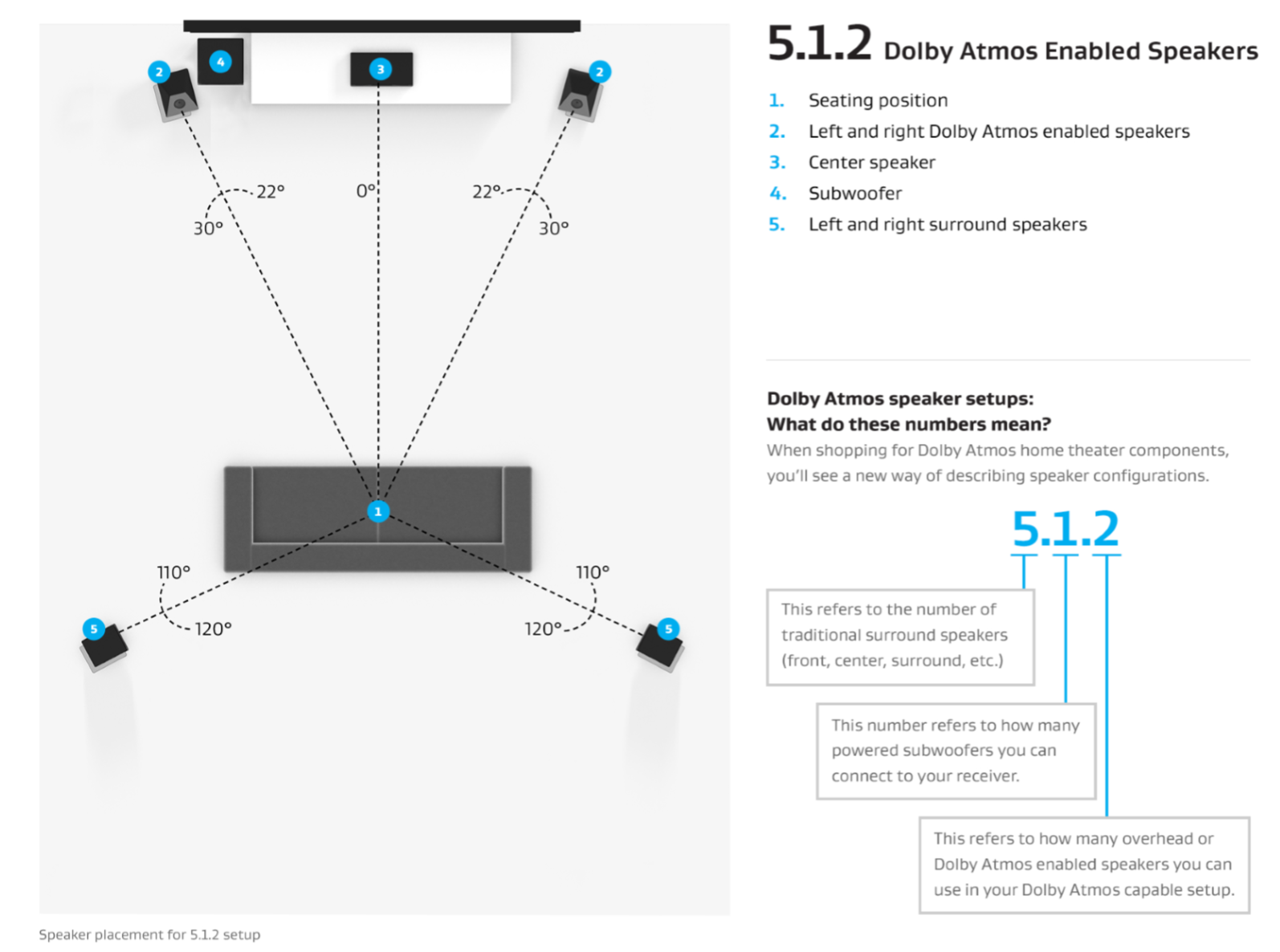

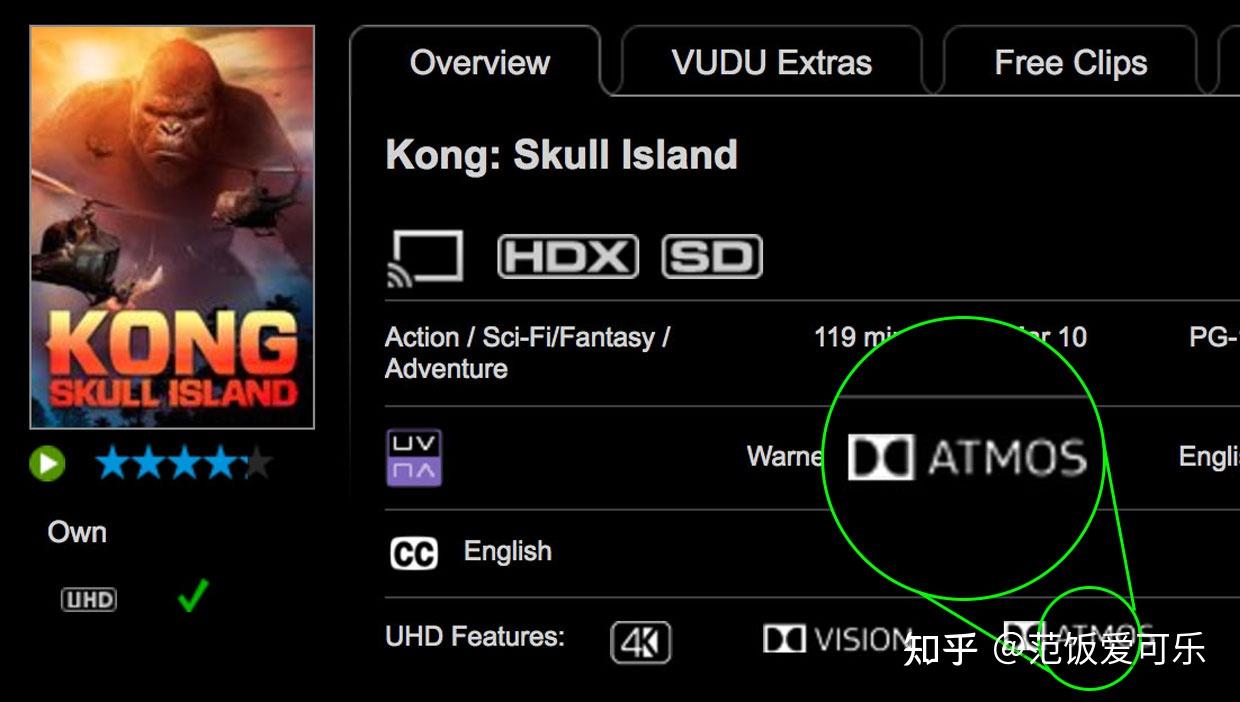

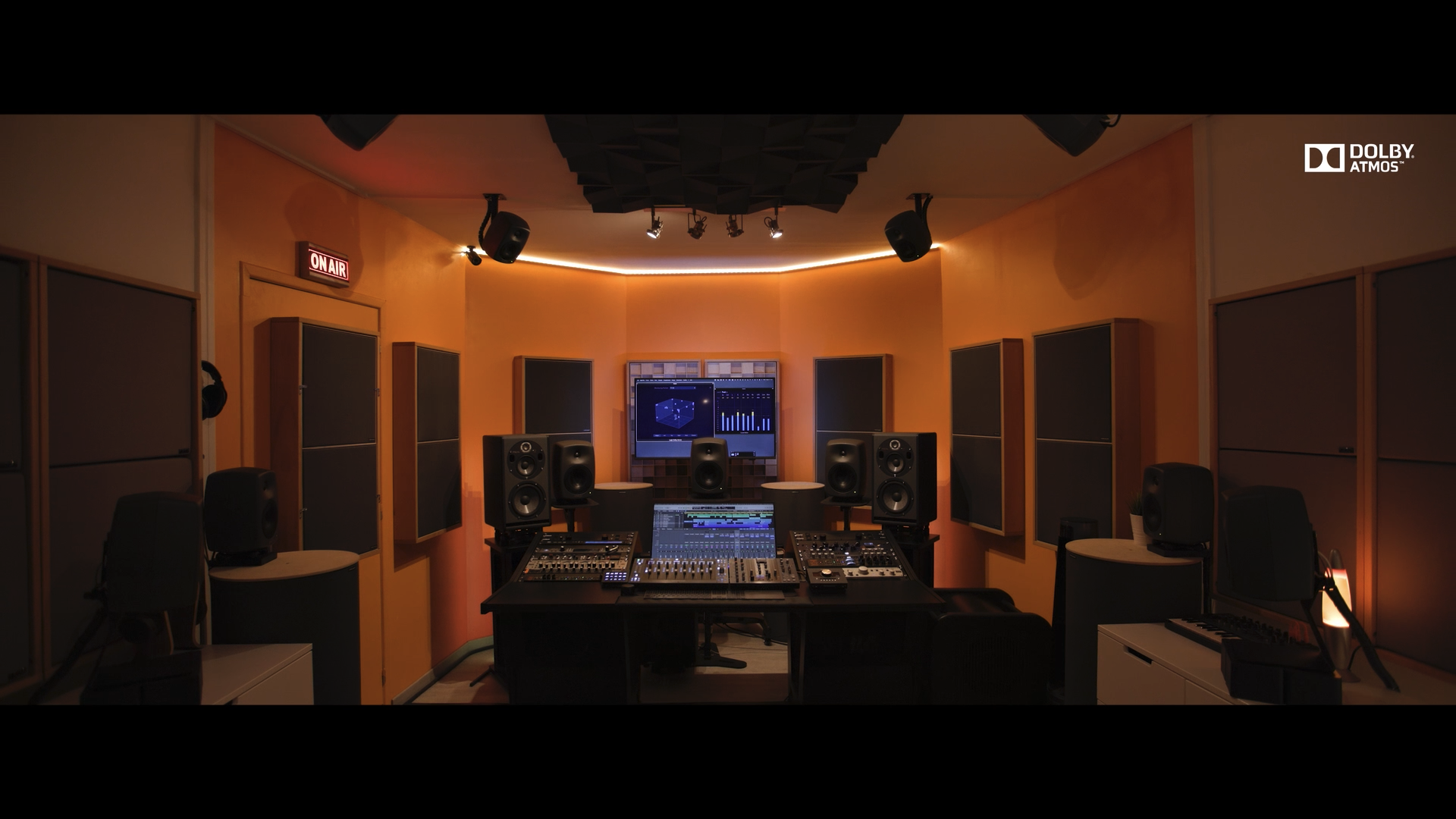







Dolby Atmos requires the source audio material be encoded using either the Dolby TrueHD®, Dolby Digital Plus™, or Dolby MAT 2.0 standard. The Dolby Atmos metadata is transported along in parallel with the audio stream. Passing Dolby Atmos Content Through a DigitalMedia Distribution System The current generation of DigitalMedia 4KZ and DM NVX.. A key benefit of Dolby MAT 2.0 is that Dolby Atmos object-based audio can be live encoded and transmitted from a source device with limited latency and processing complexity. Among the possible sources are broadcast set-top boxes, PCs, and game consoles. The Dolby MAT 2.0 decoder in an AVR outputs the object-based audio and its metadata for.