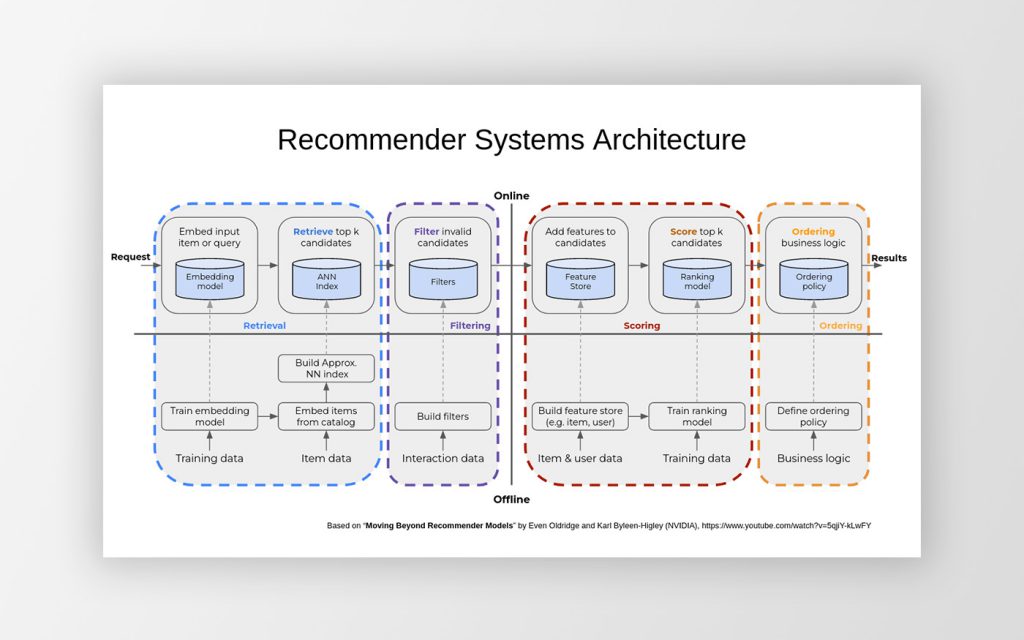
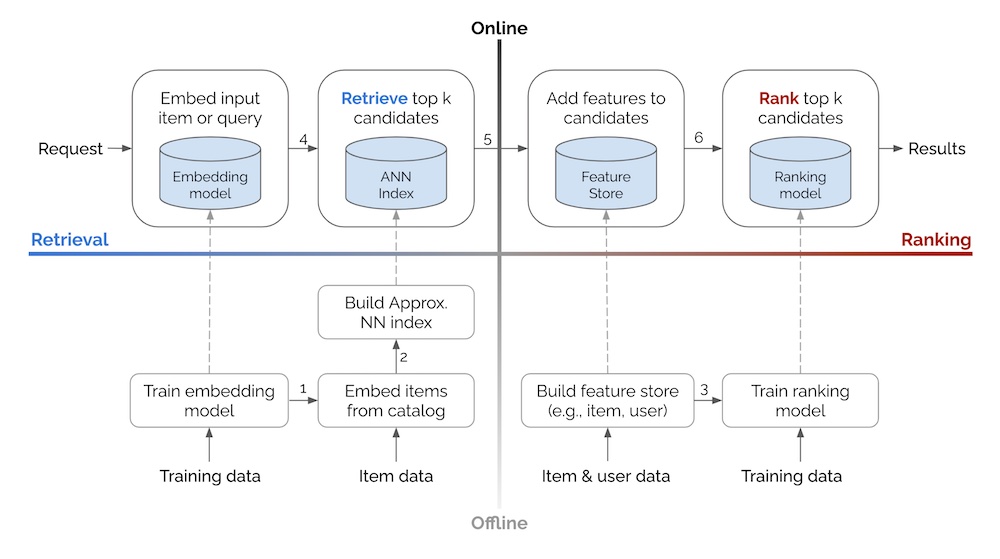
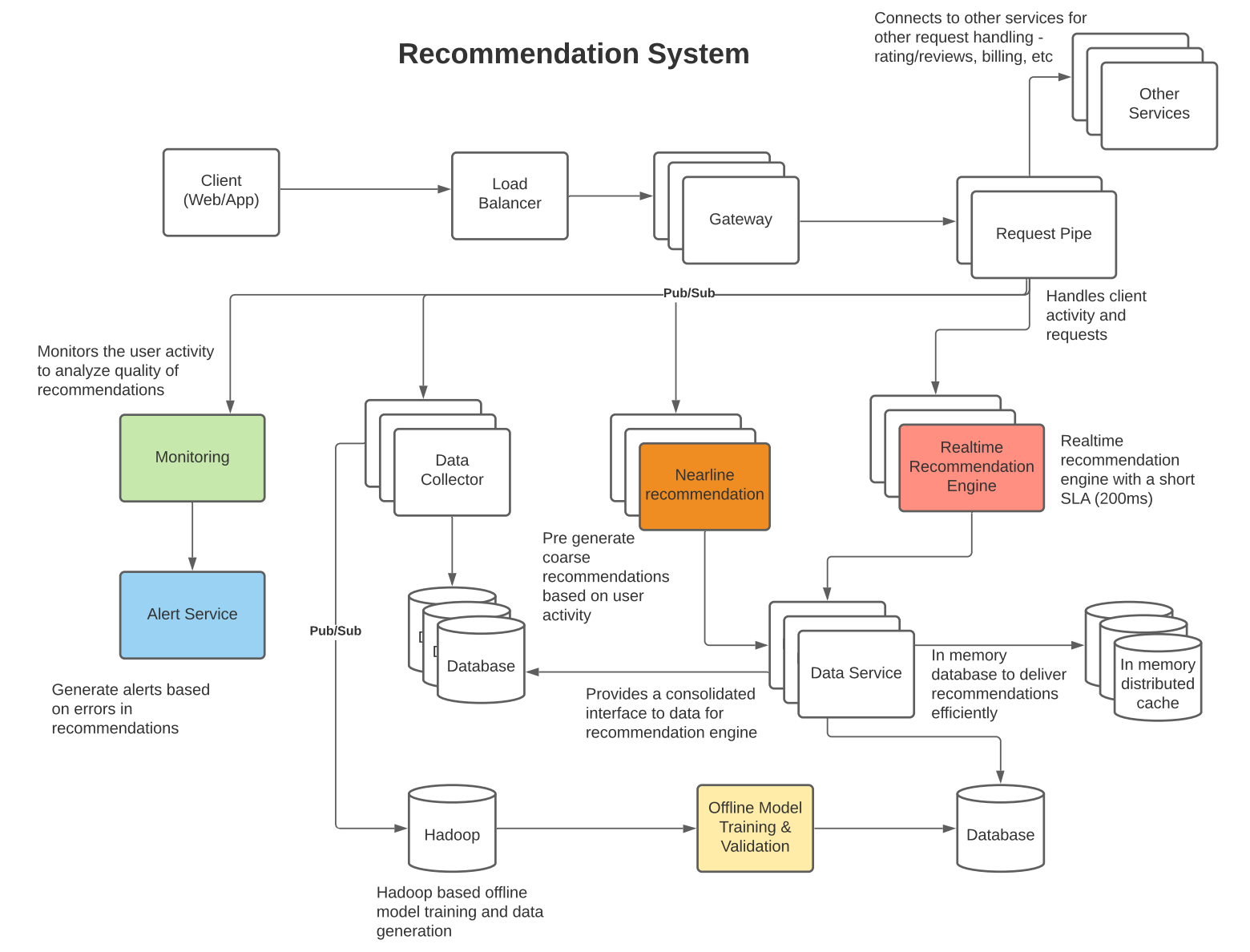
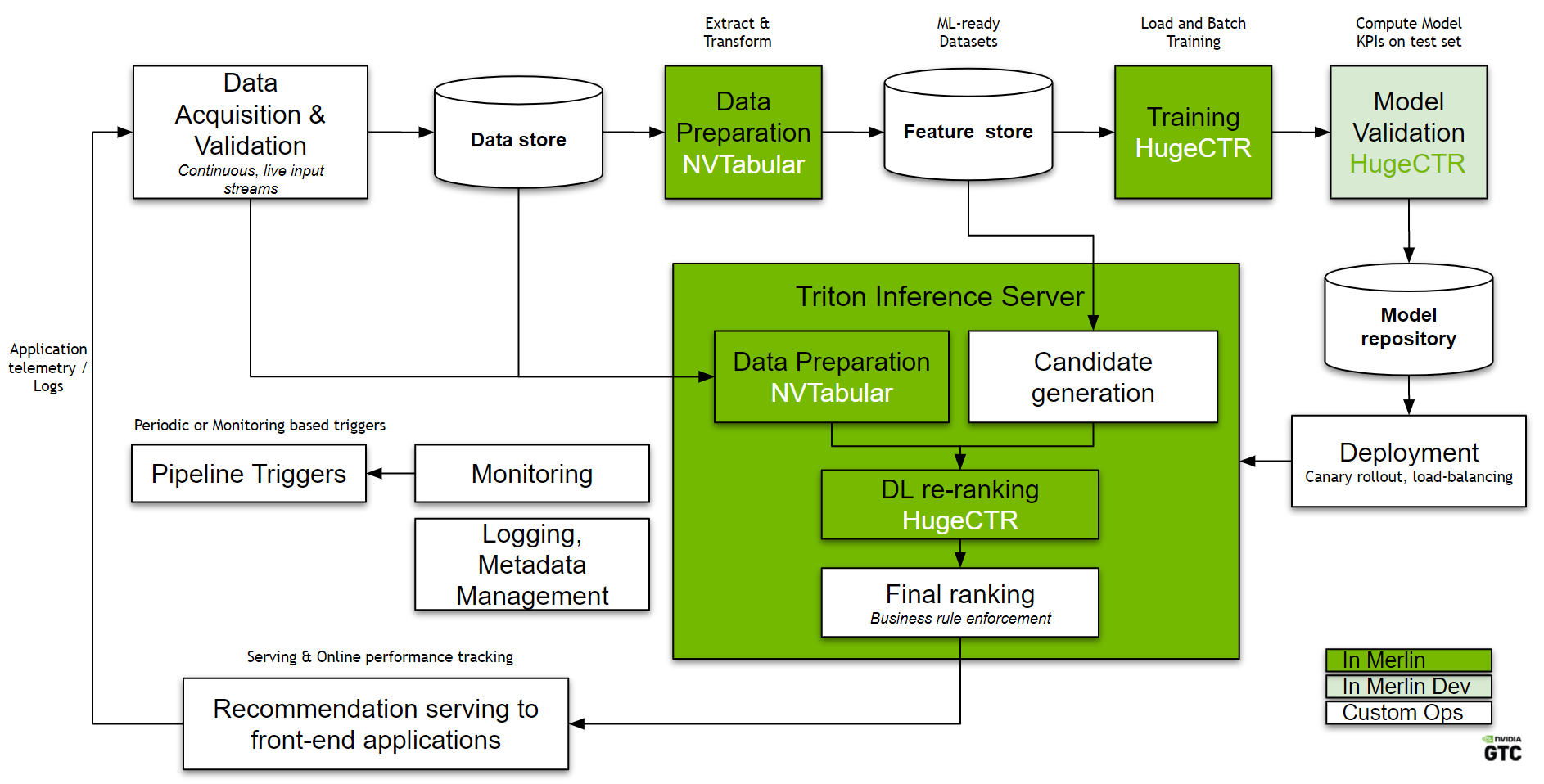
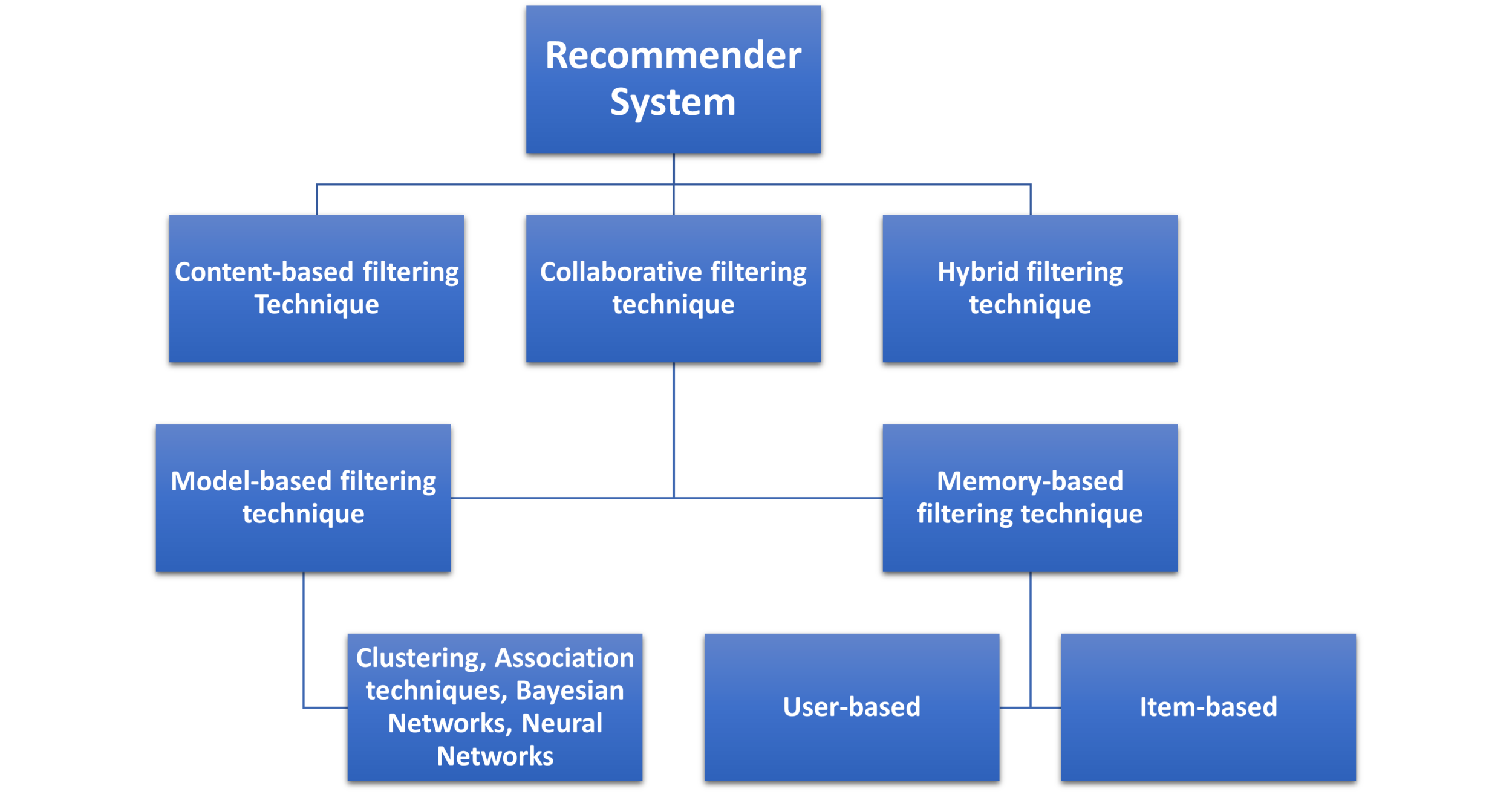
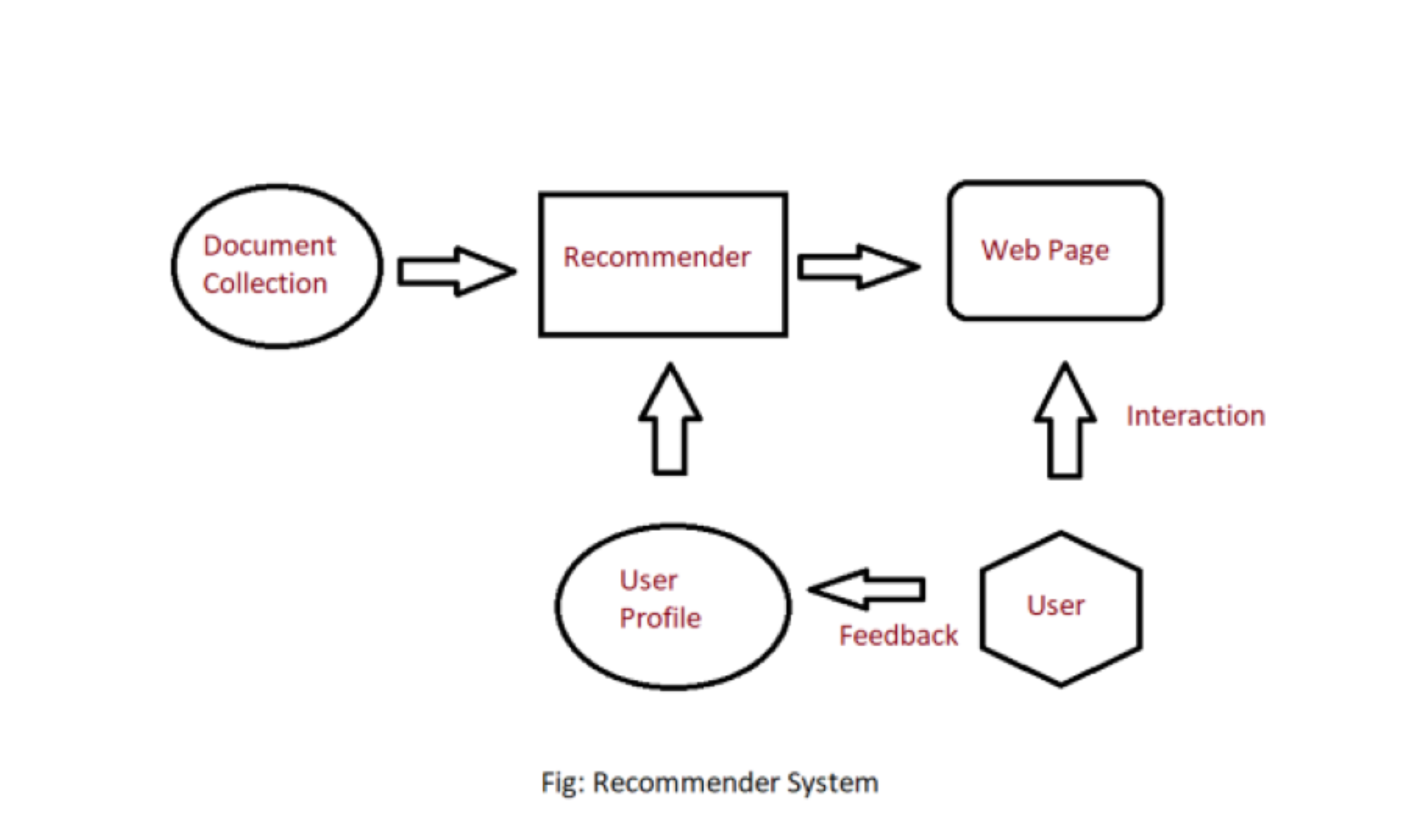
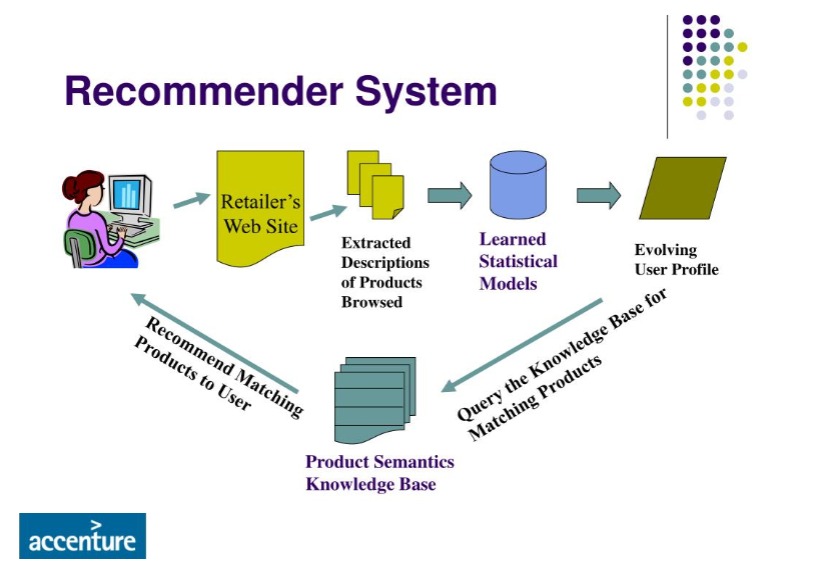
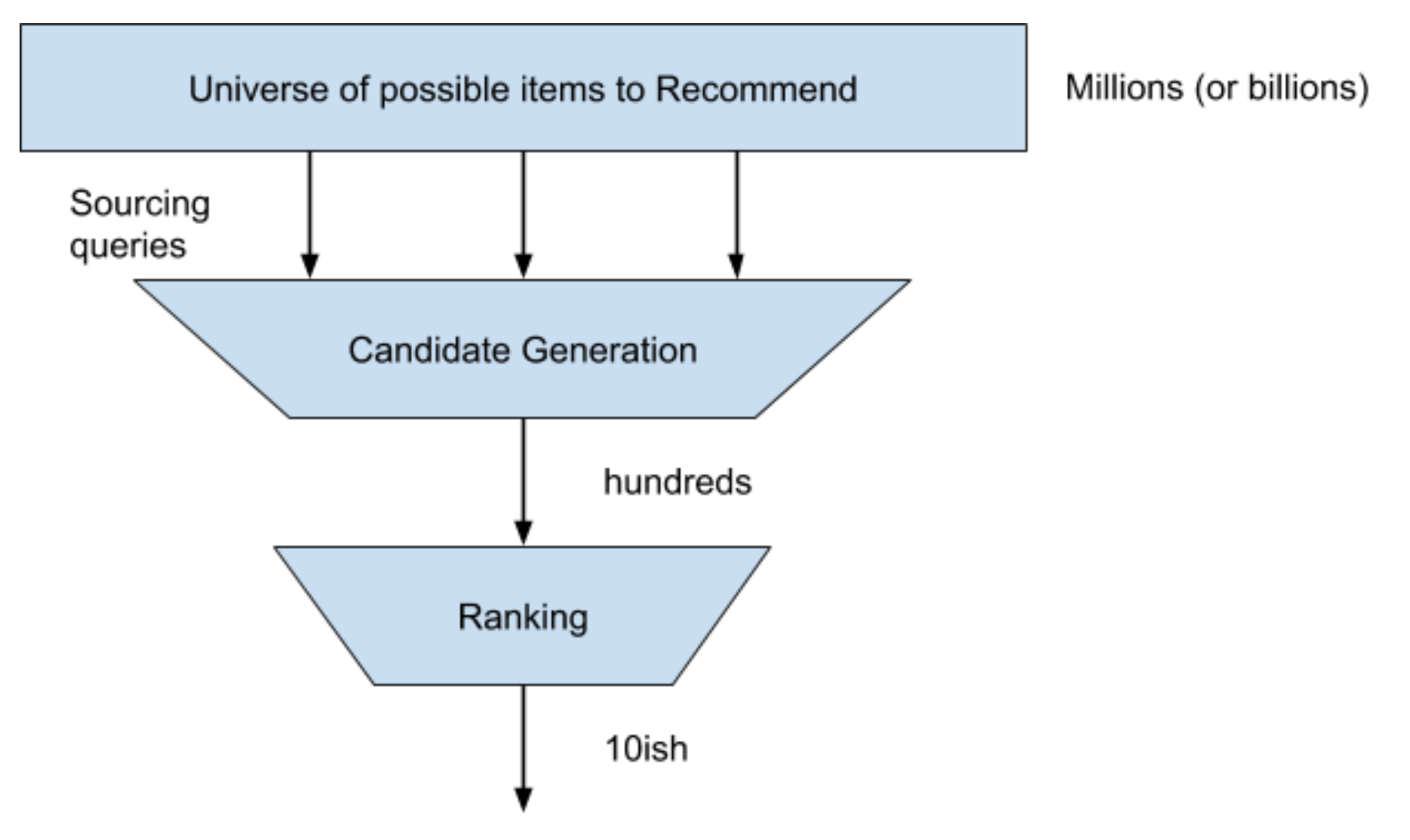
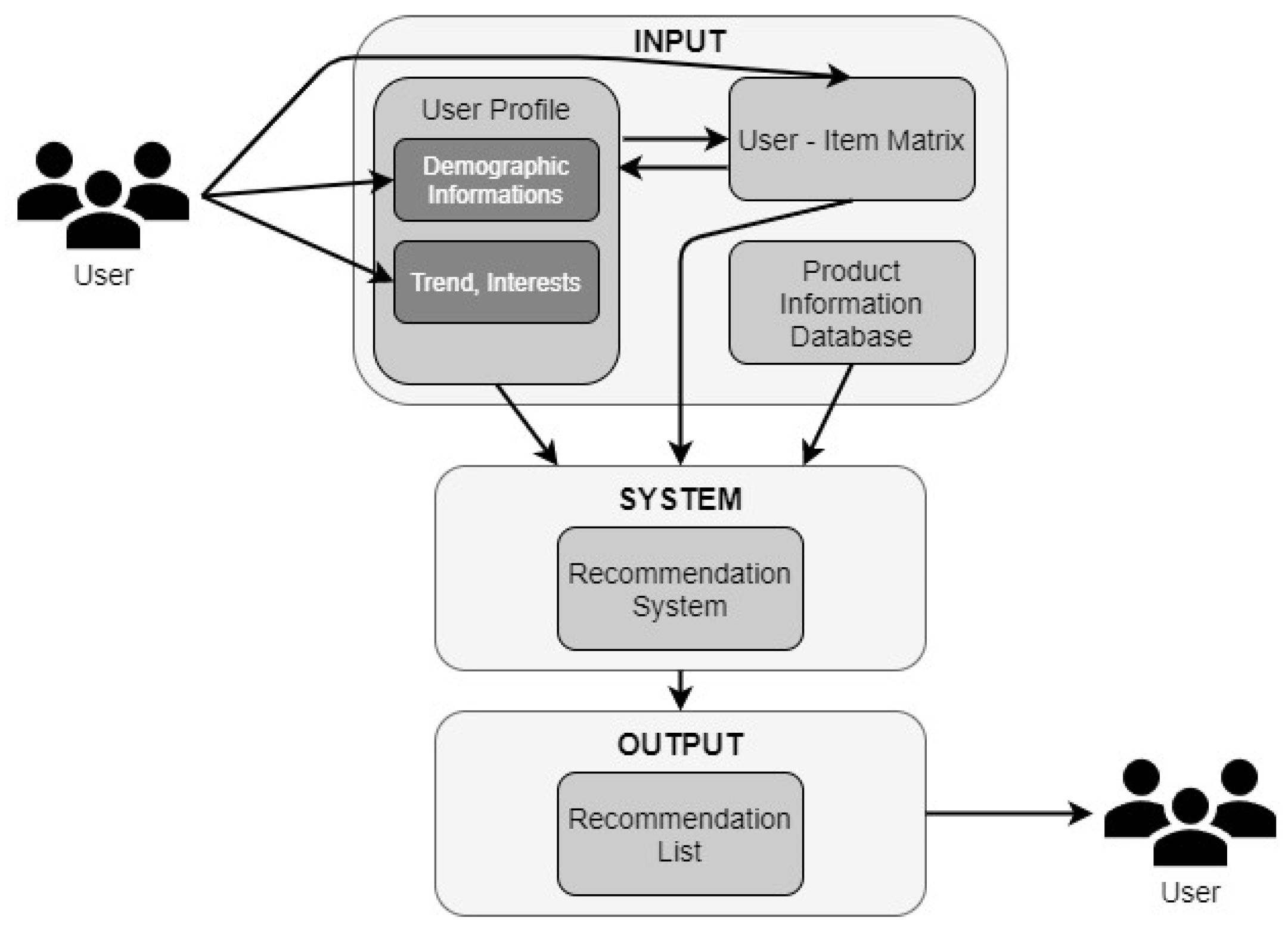
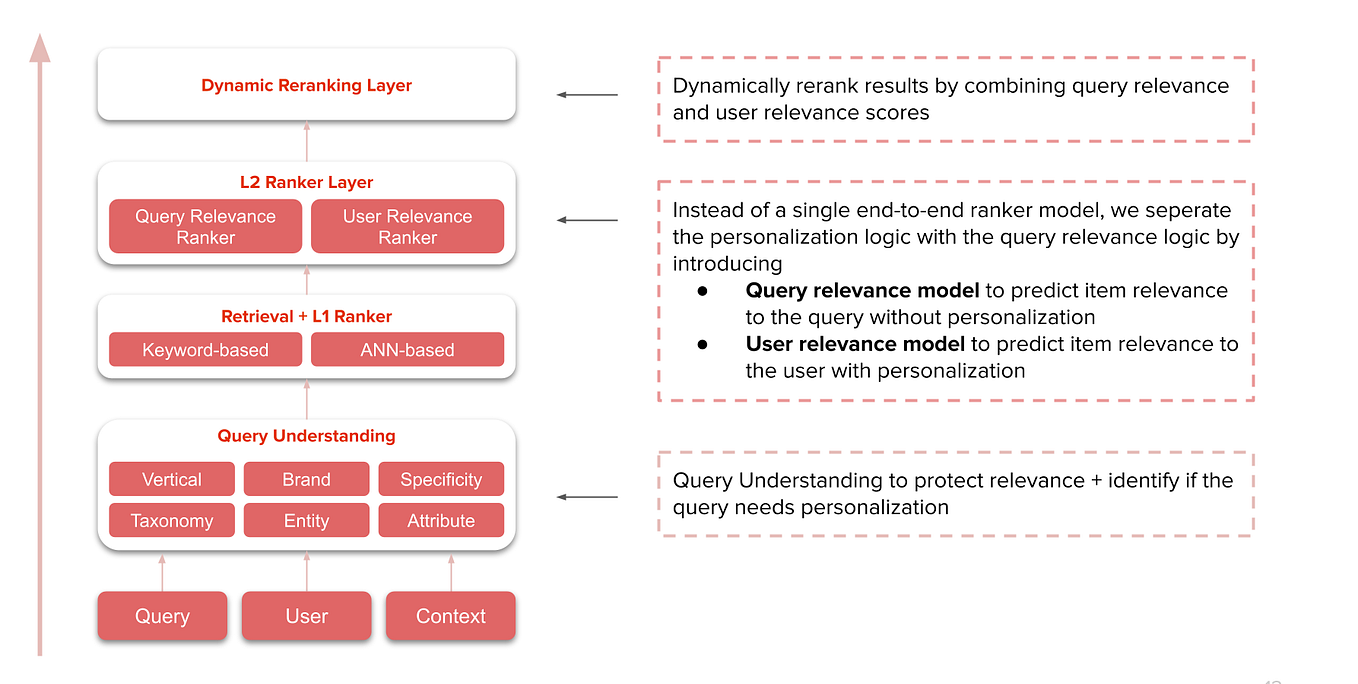
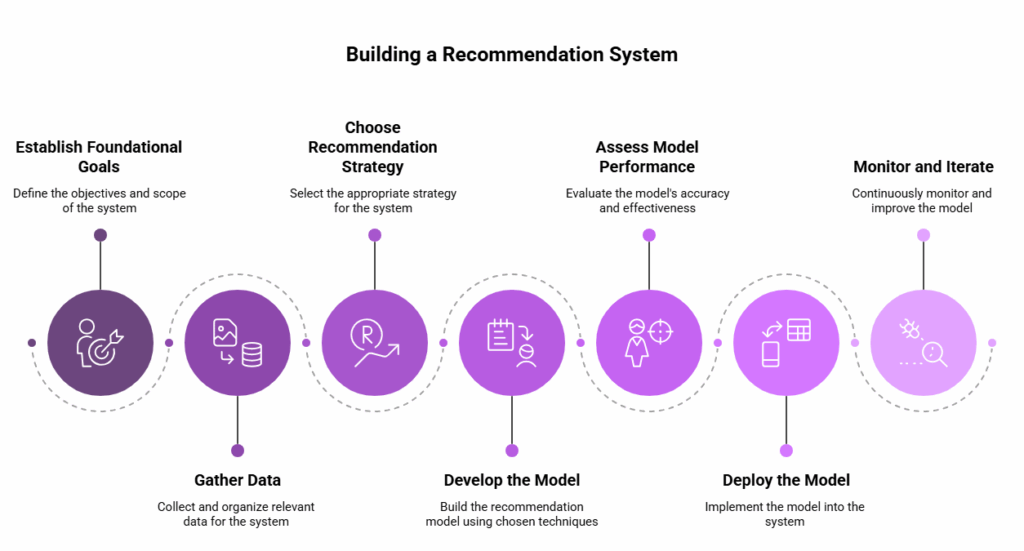
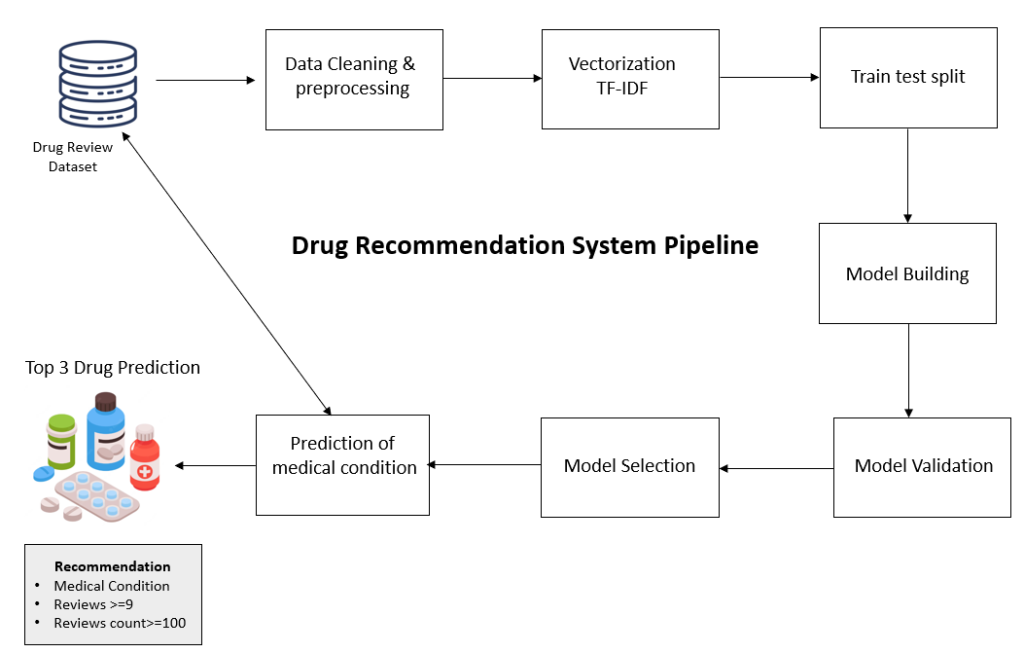
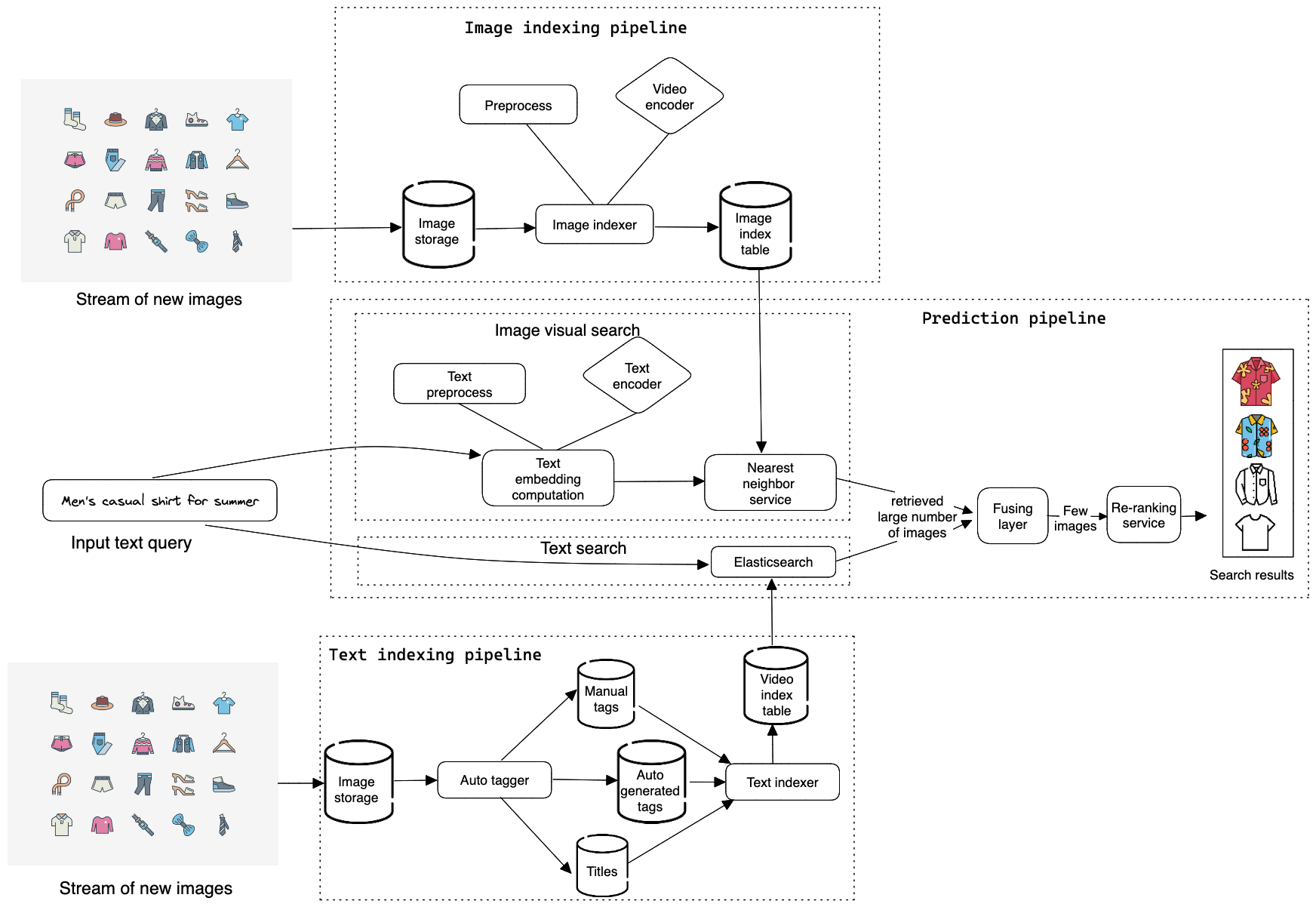
One common architecture for recommendation systems consists of the following components: candidate generation scoring re-ranking Candidate generation In this first stage, the system starts from a potentially huge corpus and generates a much smaller subset of candidates. For example, the candidate generator in YouTube reduces billions of videos down to hundreds or thousands. The model needs to.. This step-by-step guide explains how to build a recommendation system with ML techniques, shares expert insights, and gives best practices.
Book Review Machine Learning Design PatternsDesign an ML Engine System Design YouTubeCourse System Design Download Scientific DiagramMultimodal Movie System Using Deep LearningSystems for the Second Time You Will Learn How TheirSystem Design for and SearchProduct System for Retail Using AnalyticsSystem Design SOFTWARE ENGINEERINGContinuously Improving Systems for Competitive AdvantageAI Powered Search and System Blog Posts LumenciML Content Based SystemSystems using Machine Learning Unsupervised ML ProjectWhat You Need to Know Before Developing SystemPowered by AI Instagram’s Explore system by IvanTypes Of ML Powered Systems Implementing MachineGitHubHow to Design a SystemFigure 1 from A Personalized Learning SystemBlock Diagram of System Download Scientific DiagramML System Video System Design by Prem VishnoiFundamentals of Systems PyImageSearchML Systems Design Interview Guide · Patrick HalinaAIbased system Types, use cases, development andA HyperPersonalized Product System Focused on CustomerML Based Product Machine Learning Revolutionizing PptSystem — Ranking Models by Ling Huang Mediumsystem machine learning How to build itHow to Build a System Using ML A StepbyStep GuideMedicine System Using MLDesigning A System For Search In babaniyi
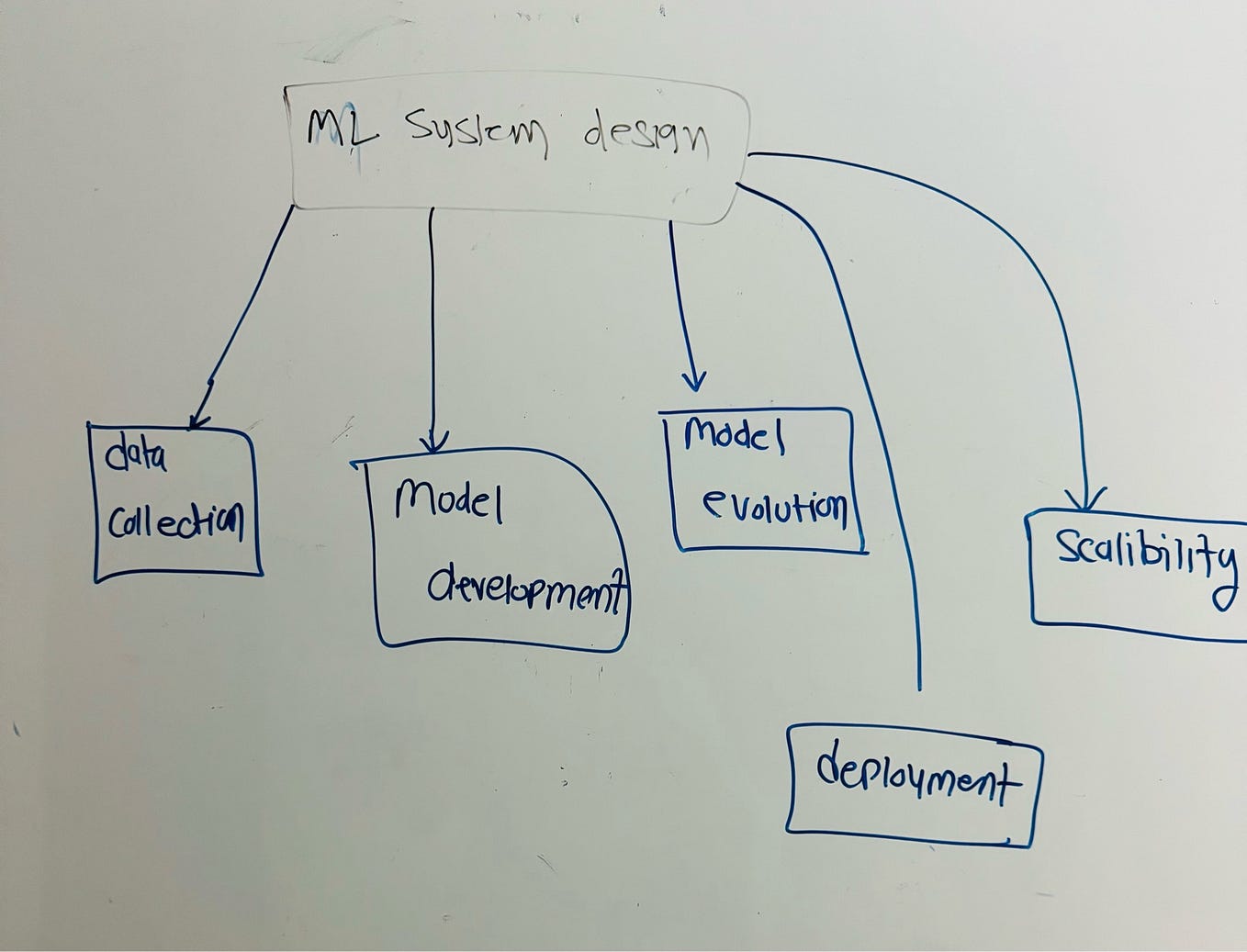
Explore how to build a recommendation system using ML. Step-by-step guide on models, algorithms, challenges, and tools to create smart suggestions.. Understanding ML recommendation system design as a system-level discipline is essential if you want to make sense of how these systems operate in production. It is not about picking the right algorithm in isolation, but about orchestrating multiple components so that they work together reliably. This article explores that reality, focusing on architecture, trade-offs, and the challenges that.