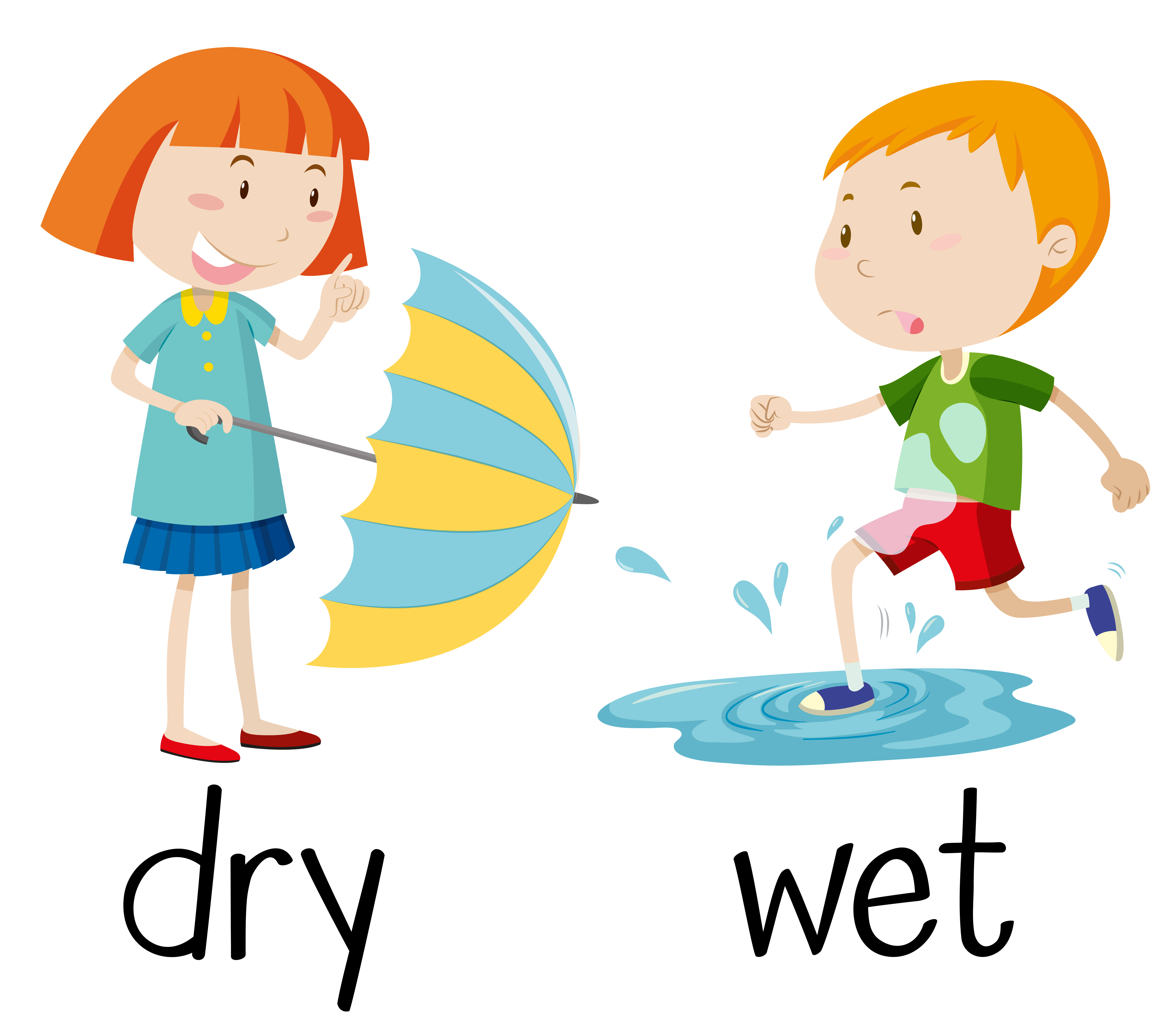
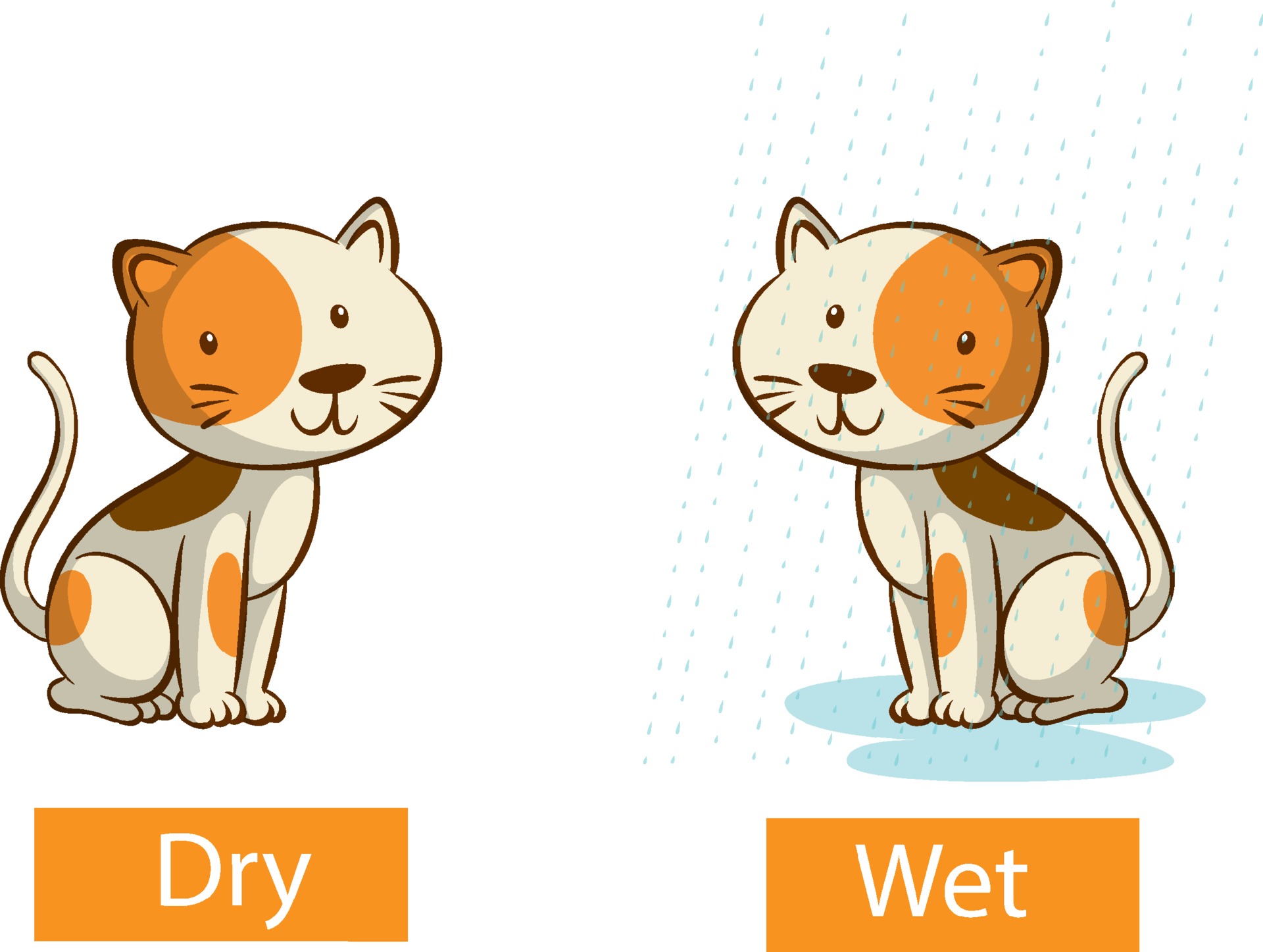
Opposite wordcard for dry and wet 455592 Vector Art at Vecteezy
Web.Plantstand.Online·
The main reason is that at cold temperatures, there's almost no difference in air properties of saturated and dry air, which is, in turn, because the air just doesn't hold much water. The thermal conductivity only differs by a tenth of a percent, and the specific heat difference is about one percent.. What makes all of the difference when it comes to hypothermia and cold weather injury? The answer, weirdly, is moisture - and in this episode we talk about how to manage it.
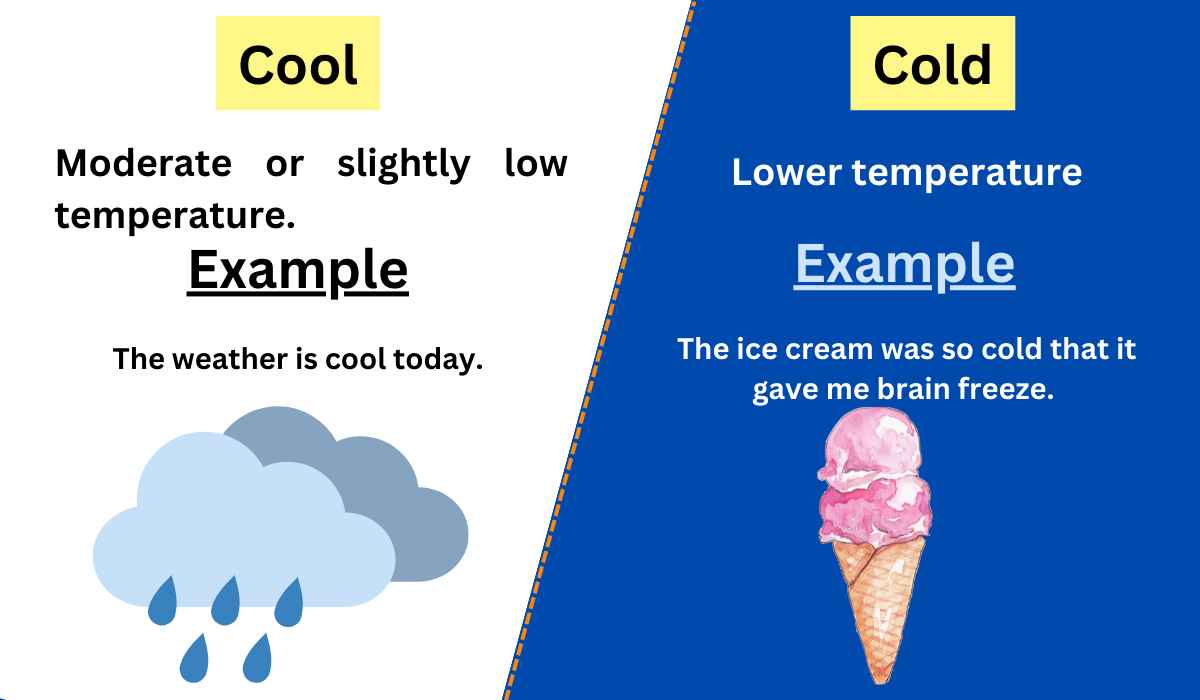
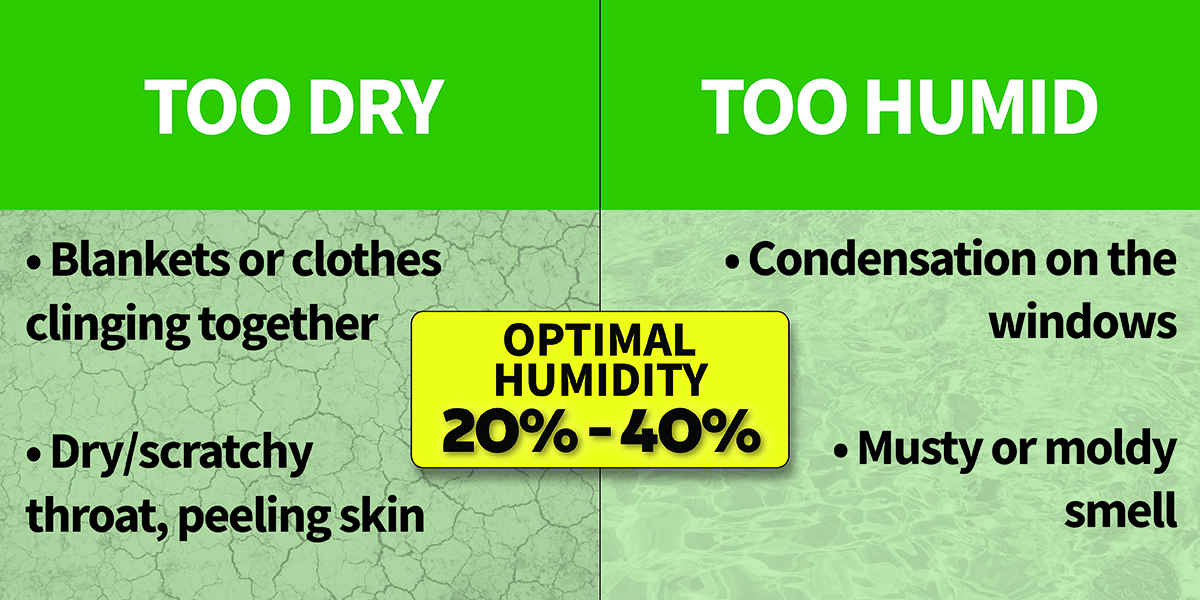
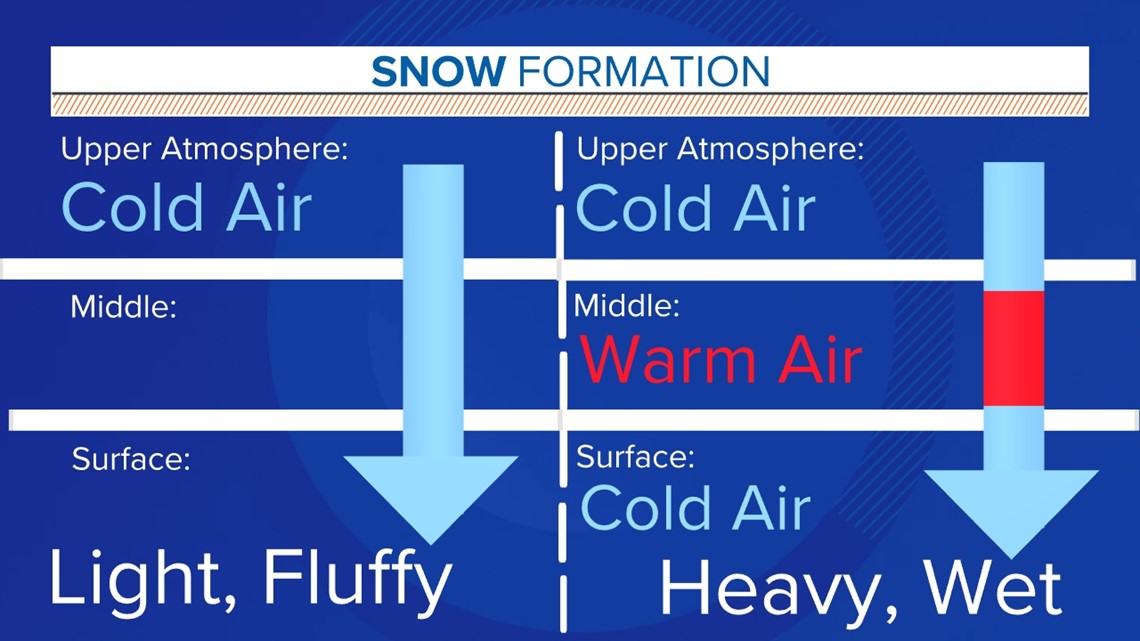
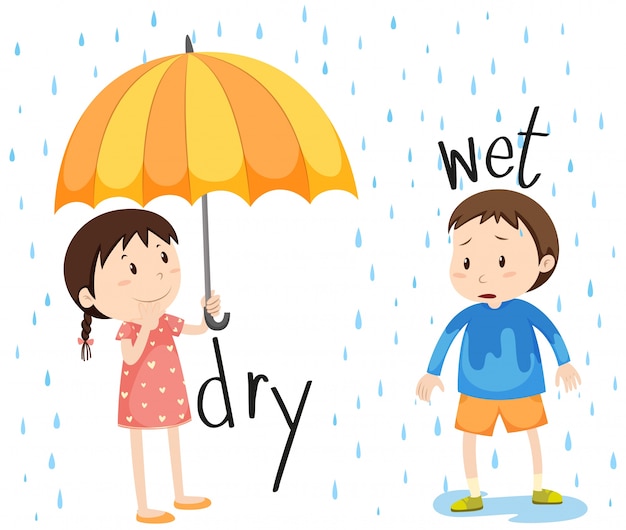
Wet And Dry OppositesColored Classical Four Elements with Their Qualities Stock Vector IllustrationPin on ProductsWET or DRY? English ESL worksheets pdf & docPPT Seasons PowerPoint Presentation, free download ID49262Opposites. Hot, cold, wet, dry Kids worksheets preschool, English lessonsWet And Dry OppositesWet cold vs. dry cold the science behind the differenceEMNoteBlog FizzICUWet cold vs. dry cold the science behind the differenceHot/Cold, Warm/Cool, Dry/Wet flash cards Free Printable Papercraft TemplatesConceptual frameworks of acute heart failure presentations. Patients... Download ScientificCool vs. ColdDifference between with examplesThe Optimal Humidity & Temperature for Cold Climates BSGOpposite wordcard for dry and wet 455592 Vector Art atReview Unit 12 Baamboozle Baamboozle The Most Fun Classroom Games!PPT OVERVIEW OF TREATMENT OF CONGESTIVE HEART FAILURE PowerPoint PresentationFor three sites representative of (a) wet/warm, (b) dry/cold, andHumid vs Dry air YouTubeShock Grades IwekyPPT Cardiogenic Shock PowerPoint Presentation, free download ID2362518The science says there's no difference between a dry orWet And Dry OppositesWet vs. Dry Natural Gas What is the difference?Air Care Series Cardiogenic Shock — Taming the SRUWeather 101 What makes snow wet or dry?Wet And Dry OppositesThe science says there's no difference between a dry orFree Vector Opposite adjective dry and wet
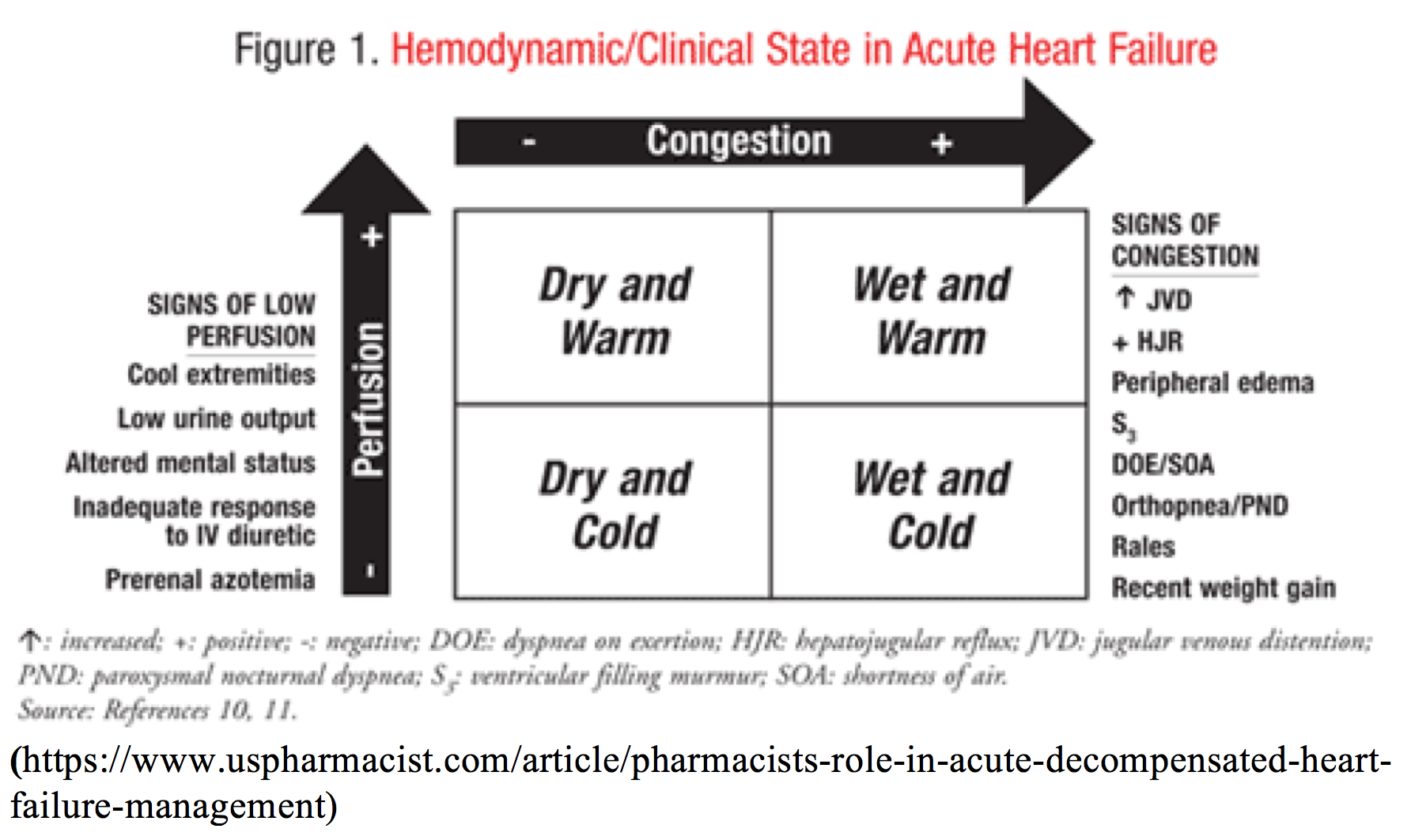
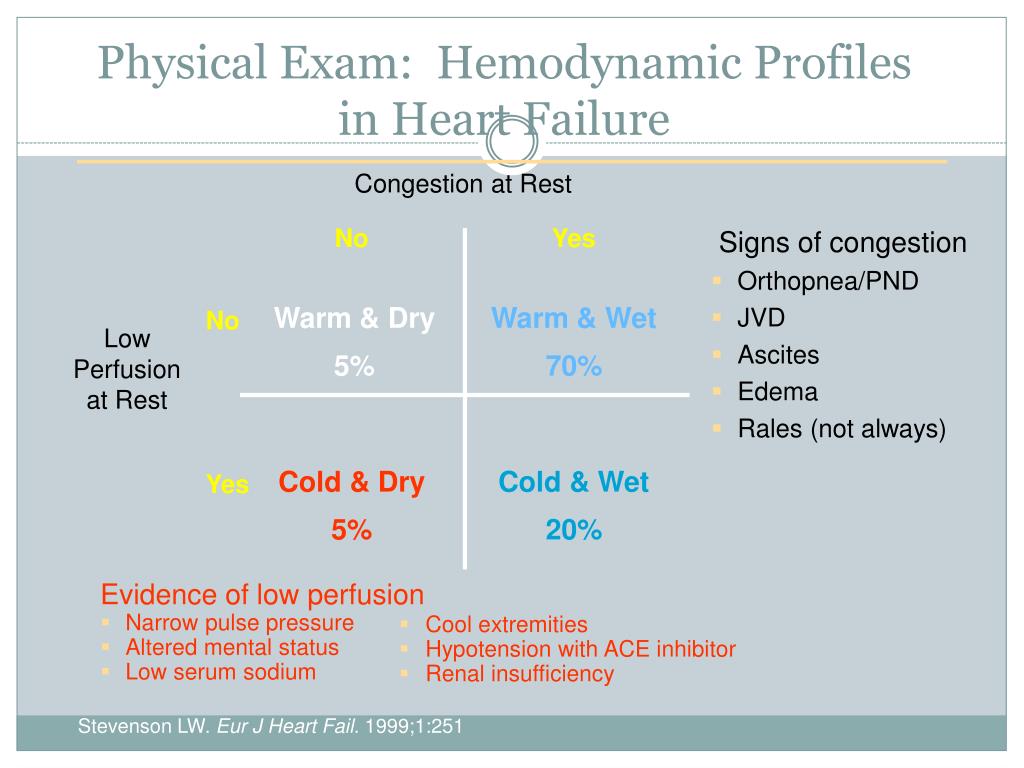
The wet-dry/warm-cold classification provides a practical, bedside framework for acute heart failure management. By quickly identifying whether a patient is congested (wet vs. dry) and whether they are adequately perfused (warm vs. cold), clinicians can tailor interventions—diuretics, vasodilators, inotropes, and vasopressors—to meet.. Some participants question whether the belief that higher humidity makes cold feel colder is a myth, citing minimal differences in thermal conductivity and specific heat between dry air and water vapor.