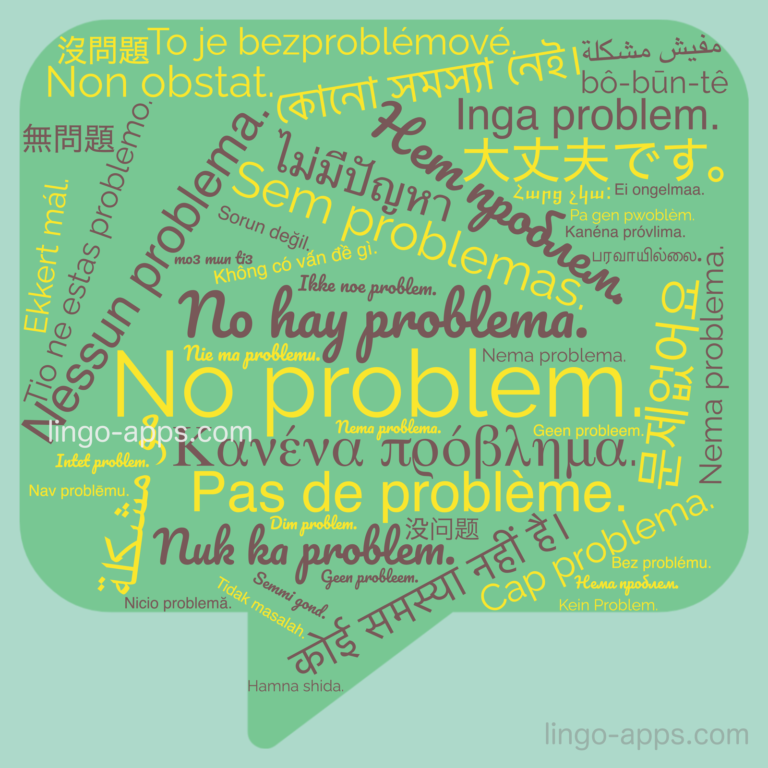
How to Say "No problem." in 50 Different Languages? LingoCards Top trilingual language
Web.Plantstand.Online·
Used in signs and on notices to show that something is not allowed….. It is the opposite of the word yes, which is a positive term.
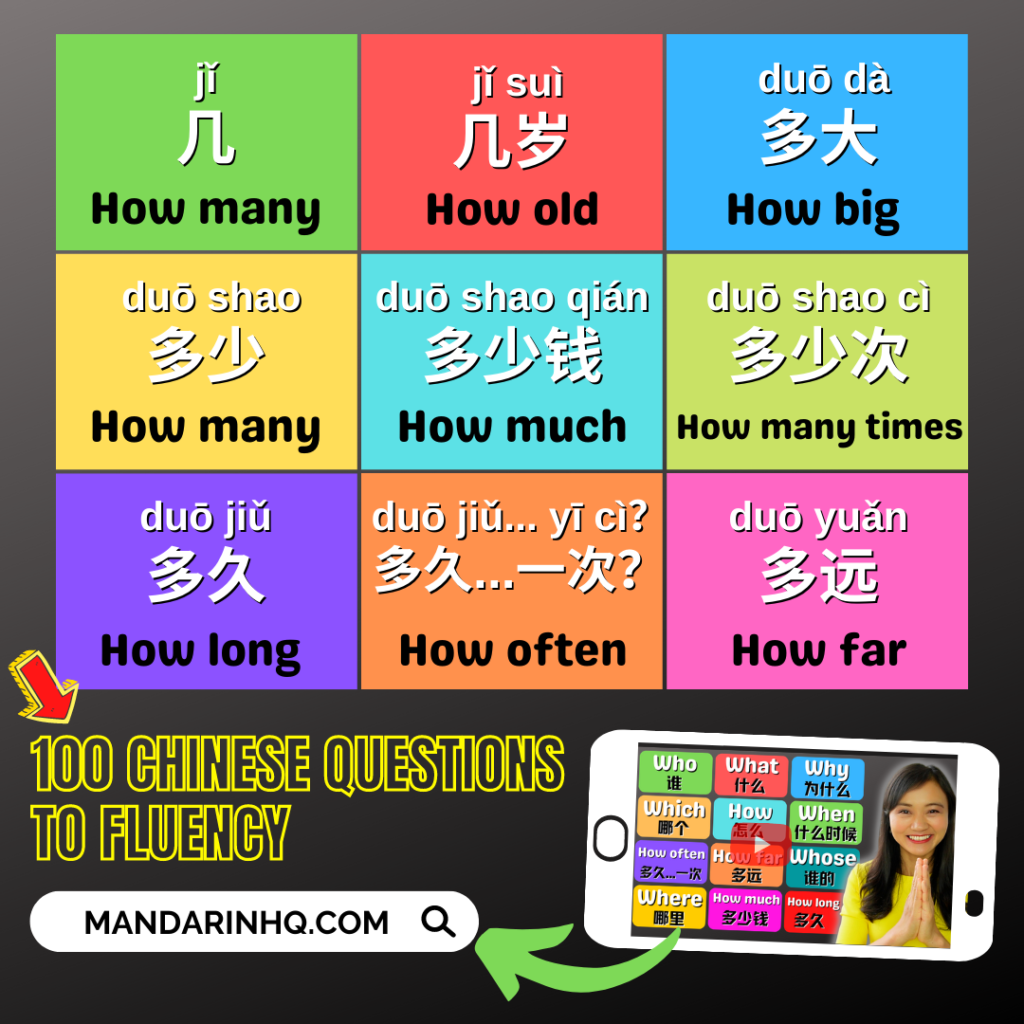
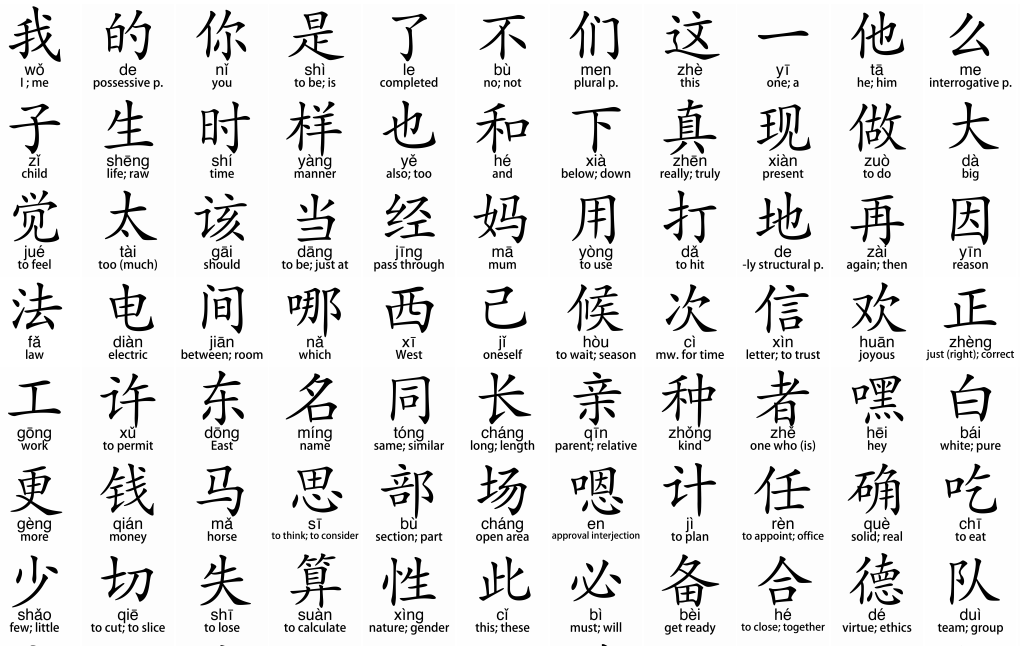
11 Facts About Chinese LanguageWhy Take Chinese? Modern Languages and Literatures Grand Valley State292 best images about Mandarin Chinese Language on Pinterest30+ Ways to Say "No Problem" in English (Formal andLearn Chinese Characters A Beginner's GuideIs Chinese difficult language to learn? — Honest AnalysisMandarin Chinese Alphabet Symbols Super Easy as ABC!basics in chinese Apprenez le chinois, Cours de chinois, Langue23 Essential Chinese Question Words and 100 Super Common QuestionsMandarin Monday The First 100 Characters Every Beginner Needs to10 Ways to Say No In Chinese Learn MandarinCoffee or Tea? Both? No problem! Chinese Culture (General)22 Ways to Say You Are in Chinese Say NoIt's ok and no problem in Chinese chineselanguage mandarin beginnerchineseHow to study Chinese a complete guide for beginnersChinese Language. Some Interesting Facts and Useful Learning Tips UNHow Many Languages Are Spoken in China A Linguistic TapestryHow To Say "No Problem" In Chinese Learn to speakHow to say ★ NO PROBLEM ★ in Chinese? YouTube14 Ways to Avoid A Question in Chinese. Say NoNo problem 没问题。would you learn Mandarin Chinese with me forIs Chinese Language Difficult to Learn? Keats School Blog"no problem with" 和 "no problem in" 和 "no problemHow to Say "No Problem!" in Japanese Coto Japanese Academy"In this video I will go through 3 easy andHow to Learn Chinese While Remaining Sensitive to Regional LanguagesHow to Say OK in Chinese Say No Problem inHow To Say ''Problem'' (课题) in Mandarin Chinese YouTubeAfter School Chinese language Shaolin Tai Chi Heritage CenterHow to Say "No problem." in 50 Different Languages? LingoCards
No /nəʊ/ sentence substitute used to express denial, disagreement, refusal, disapproval, disbelief, or acknowledgment of negative.. Used to express denial, disagreement, refusal, disapproval, disbelief, or acknowledgment of negative statements.






.jpg.7348bfaa26400623cb674bed41f8394f.jpg "Coffee or Tea? Both? No problem! Chinese Culture (General)")